






All Categories
Show more

Posts

Why We May Feel Guilty for Being Happier Than Our Parents

Why We May Feel Guilty for Being Happier Than Our Parents

Blog | Guilt
Sometimes happiness does not feel light. It feels guilty, uncomfortable, or undeserved. This article explores how family loyalty can quietly make us afraid to live better than our parents.
Why We Should Stop Diagnosing Everyone Around Us

Why We Should Stop Diagnosing Everyone Around Us

Blog | Self-acceptance
Psychology can help us understand people, but quick labels can also make us colder, more certain, and less curious. This article explores why diagnosing others too easily may damage real connection.
Why Am I So Angry? Understanding Emotional Triggers

Why Am I So Angry? Understanding Emotional Triggers

Article | Anger
Anger often feels sudden, but it usually has roots. This article explains why small moments can trigger big reactions—and how to understand the deeper needs behind irritability.
When We Are Hurt, Two Parts of Us Wake Up

When We Are Hurt, Two Parts of Us Wake Up

Article | Emotions

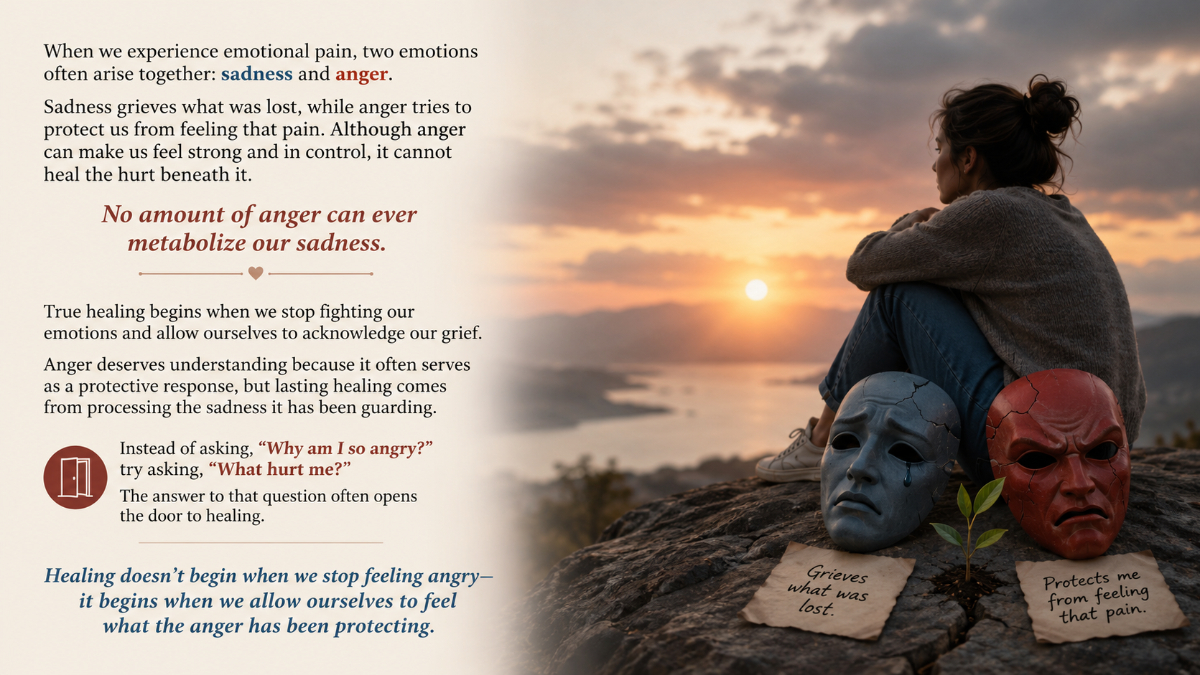
When we experience emotional pain, two emotions often arise together: sadness and anger. Sadness grieves what was lost, while anger tries to protect us from feeling that pain. Although anger can make us feel strong and in control, it cannot heal the hurt beneath it.

The Dopamine Trap: Why Pleasure Stops Feeling Good

The Dopamine Trap: Why Pleasure Stops Feeling Good

Article | Harmful habits
Why does ordinary life feel boring after too much instant pleasure? This article explains how dopamine shapes motivation, habits, cravings, and the ability to enjoy simple things again.
Dopamine Detox: Is Your Brain Addicted to Easy Pleasure?

Dopamine Detox: Is Your Brain Addicted to Easy Pleasure?

Article | Self-care
Instant pleasure can feel harmless until it starts shaping your mood, focus, and daily choices. This article explores what dopamine detox really means and why less stimulation may help you feel more present.
Why People Fall for Scams

Why People Fall for Scams

Article | Psychology
Smart people can still fall for scams when fear, guilt, and urgency take over. This article explains how emotional pressure weakens judgment—and why learning to pause may protect you better than confidence alone.
How to Recognize Toxic People Before You Lose Yourself

How to Recognize Toxic People Before You Lose Yourself

Article | Relationship
Toxic people rarely break your confidence all at once. They slowly make you doubt yourself, explain their behavior, and ignore your own feelings. This article shows how self-respect begins to return through clear personal boundaries.
Signs It’s Emotional Hunger, Not Love

Signs It’s Emotional Hunger, Not Love

Article | Man and woman relationship
When attraction feels painful, it may not always be love. This article explains how emotional hunger, anxiety, and inconsistent attention can make unhealthy relationships feel deeply meaningful.
Why Women Don’t Believe Compliments

Why Women Don’t Believe Compliments

Article | Man and woman relationship
Why can a woman hear “You look beautiful” and still not believe it? This article explores how self-worth, beauty standards, and the inner critic shape the way women receive compliments.
You need to be logged in to send messages
Login Sign up
To create your specialist profile, please log in to your account.
Login Sign up
You need to be logged in to contact us
Login Sign up
To create a new Question, please log in or create an account
Login Sign up
Share on other sites

If you are considering psychotherapy but do not know where to start, a free initial consultation is the perfect first step. It will allow you to explore your options, ask questions, and feel more confident about taking the first step towards your well-being.

It is a 30-minute, completely free meeting with a Mental Health specialist that does not obligate you to anything.

What are the benefits of a free consultation?

Who is a free consultation suitable for?

Important:

Potential benefits of a free initial consultation

During this first session: potential clients have the chance to learn more about you and your approach before agreeing to work together.

Offering a free consultation will help you build trust with the client. It shows them that you want to give them a chance to make sure you are the right person to help them before they move forward. Additionally, you should also be confident that you can support your clients and that the client has problems that you can help them cope with. Also, you can avoid any ethical difficult situations about charging a client for a session in which you choose not to proceed based on fit.

We've found that people are more likely to proceed with therapy after a free consultation, as it lowers the barrier to starting the process. Many people starting therapy are apprehensive about the unknown, even if they've had sessions before. Our culture associates a "risk-free" mindset with free offers, helping people feel more comfortable during the initial conversation with a specialist.

Another key advantage for Specialist

Specialists offering free initial consultations will be featured prominently in our upcoming advertising campaign, giving you greater visibility.


It's important to note that the initial consultation differs from a typical therapy session:

No Internet Connection It seems you’ve lost your internet connection. Please refresh your page to try again. Your message has been sent

