



All Categories
Show more

Posts

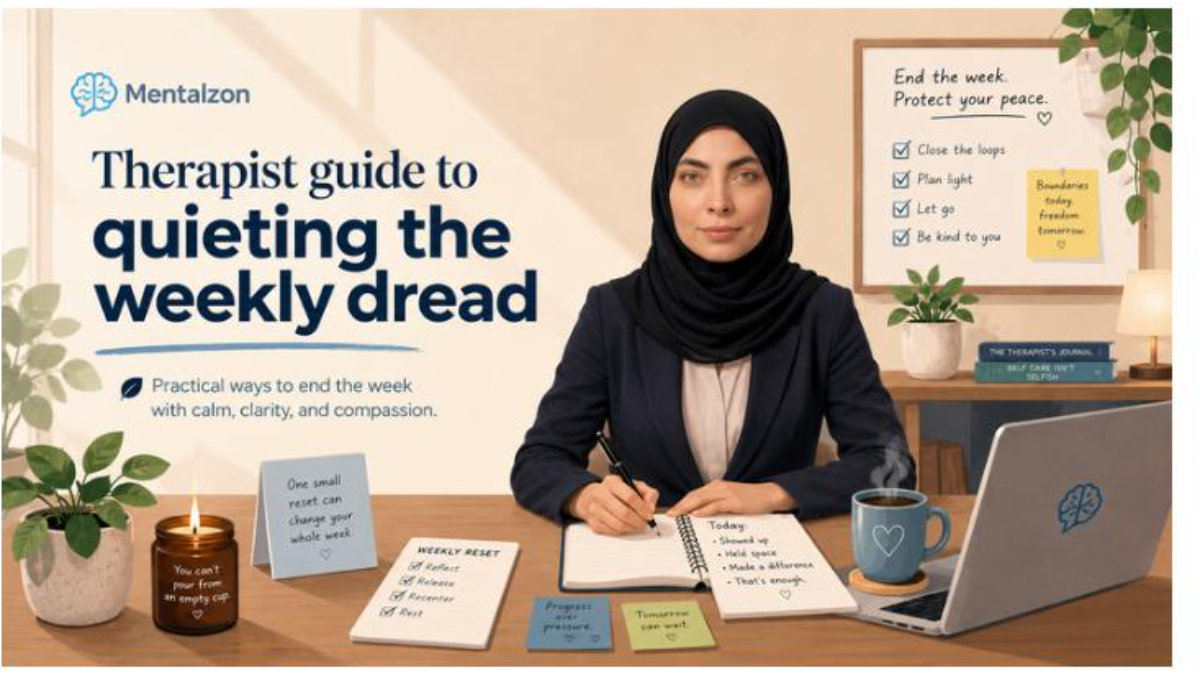
The Sunday Reset: A Therapist’s Guide to Quieting the Weekly Dread

The Sunday Reset: A Therapist’s Guide to Quieting the Weekly Dread

Blog | Psychotherapy
Sunday night anxiety is a physical response to upcoming stress, not a personal failure. This guide shares therapist-backed strategies to calm your nervous system, organize your thoughts, and reclaim your weekend.
From Friction to Calm: Practical Steps to Control Your Anger Before It Controls You

From Friction to Calm: Practical Steps to Control Your Anger Before It Controls You

Blog | Anger
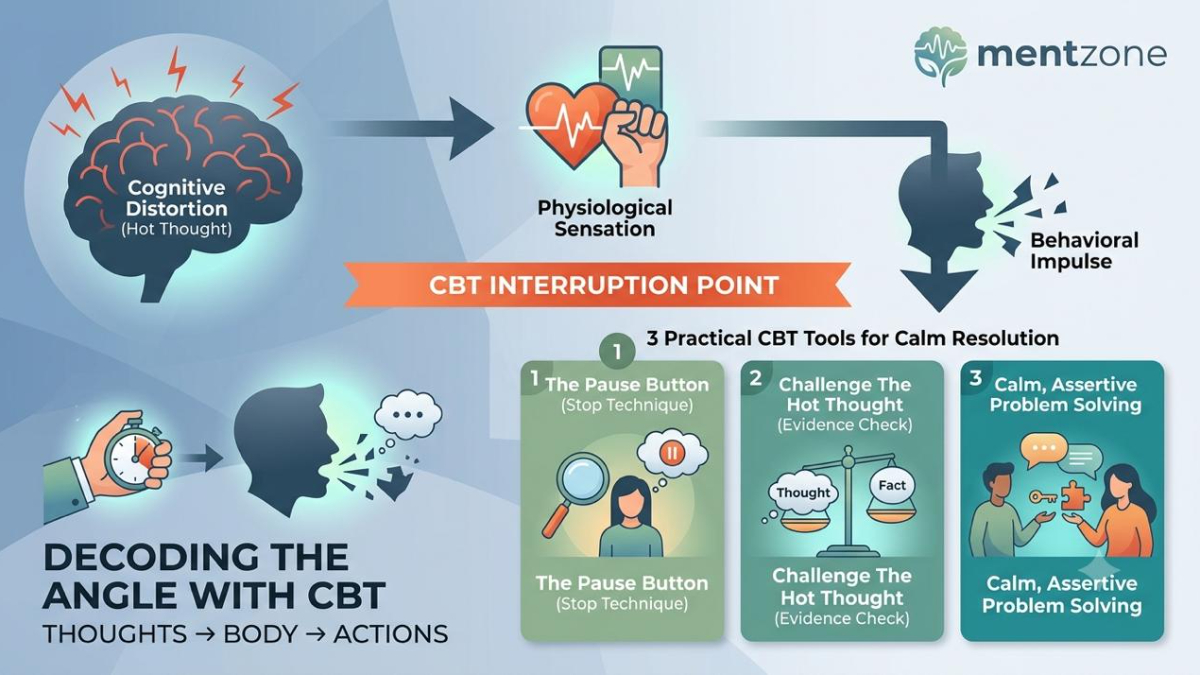
Anger is a normal human emotion, but it becomes problematic when it drives our actions blindly. This blog post breaks down the mechanics of anger through the lens of Cognitive Behavioral Therapy (CBT). By understanding the tight link between our thoughts, body sensations, and behaviors, anyone can learn to spot their early anger triggers. Readers will walk away with three highly practical, step-by-step CBT tools designed to pause the anger cycle, challenge unhelpful thinking patterns, and resolve daily conflicts with absolute calm and confidence.
Why Do We Overthink More at Night? The Psychology Behind a Busy Mind

Why Do We Overthink More at Night? The Psychology Behind a Busy Mind

Article | Emotions
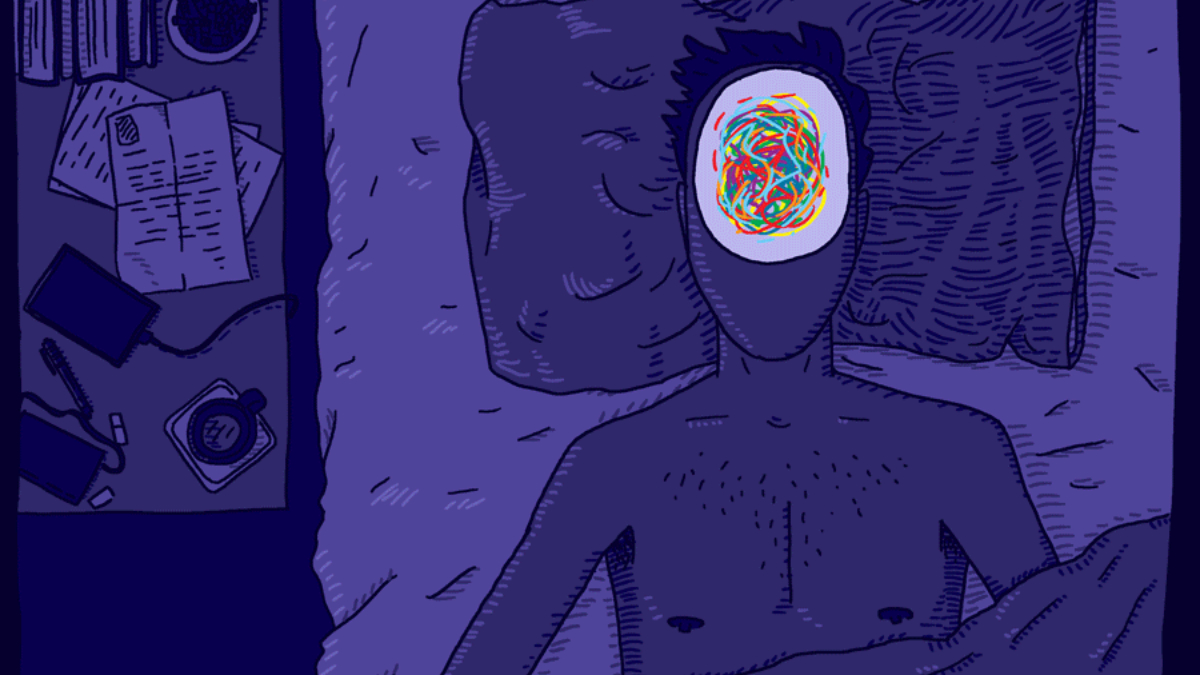
Why do we overthink more at night? As the day ends and distractions fade, our brain naturally shifts its attention inward, processing unresolved thoughts, emotions, and experiences. Mental fatigue can also make worries feel more intense, causing us to replay conversations, question decisions, or imagine worst-case scenarios. Understanding that these thoughts are a normal part of how the brain processes information—not necessarily facts—can help us respond with greater self-compassion. Rather than trying to solve every thought at bedtime, learning healthier ways to relate to our thoughts can improve both emotional well-being and sleep.
“I'm Fine ” — The Five Meanings This Simple Sentence Can Hide

“I'm Fine ” — The Five Meanings This Simple Sentence Can Hide

Article | Emotions
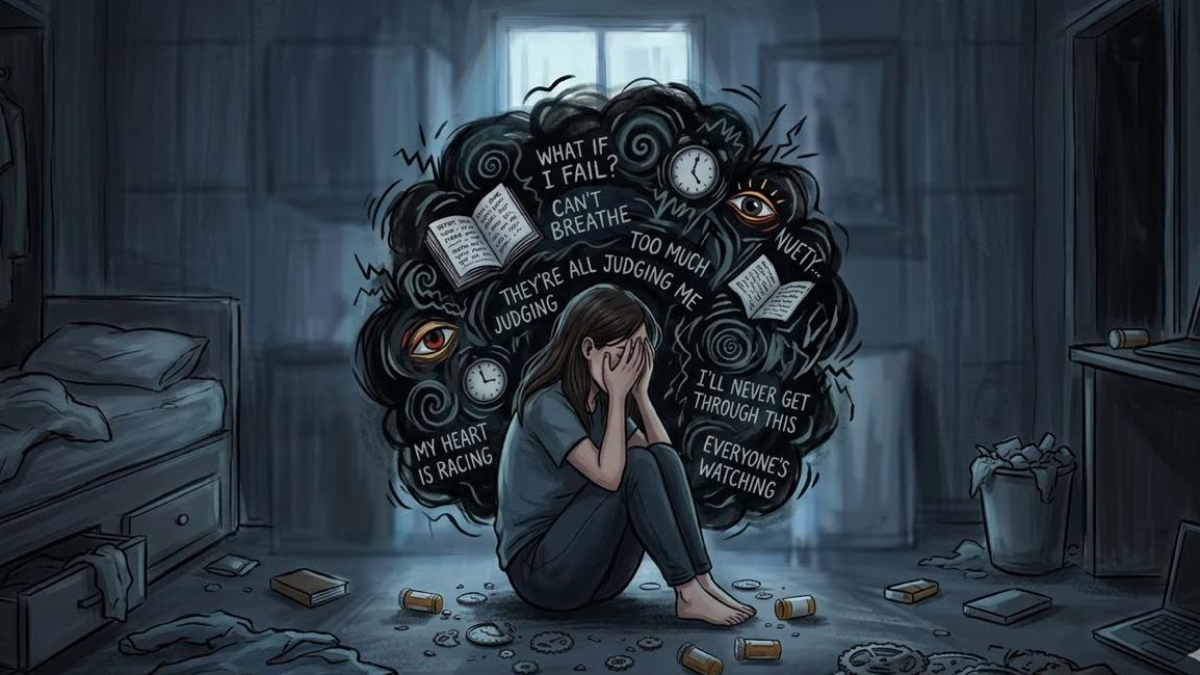
"I'm fine." It’s one of the most common phrases we hear—and say. But behind these two simple words can lie emotions that are difficult to express: confusion, exhaustion, fear, loneliness, or the desire not to burden others. This article explores five hidden meanings behind "I'm fine" through a psychological lens, explaining why people often suppress their emotions and how creating a safe, non-judgmental space can encourage genuine emotional expression. Sometimes, the most important conversations begin when we look beyond the words.
How CBT Works to Manage Anxiety

How CBT Works to Manage Anxiety

Blog | Psychotherapy
Cognitive Behavioral Therapy (CBT) manages anxiety by changing the connection between our thoughts, physical feelings, and actions. Instead of avoiding situations that cause fear, clients learn to evaluate anxious thoughts logically, calm their physical stress, and safely face challenges.
How to Grow Your Business and Career

How to Grow Your Business and Career

Article | Business and Career
Success in business and career comes from continuous learning, strategic networking, disciplined execution, adaptability, and consistently creating value for others.
Why Parents Often Prefer Familiar Career Paths for Their Children

Why Parents Often Prefer Familiar Career Paths for Their Children

Article | Family

Many parents want the best for their children, but sometimes “wanting the best” becomes closely connected with choosing paths that feel safe, predictable, and familiar. When a child chooses a career or life path that parents have little knowledge or experience with, they may respond with hesitation or resistance. This reaction is often not only about the career itself, but also about uncertainty and fear of the unknown.

Understanding Trauma Survival Mode: Overcoming Numbness and Emotional Rigidity

Understanding Trauma Survival Mode: Overcoming Numbness and Emotional Rigidity

Article | Trauma
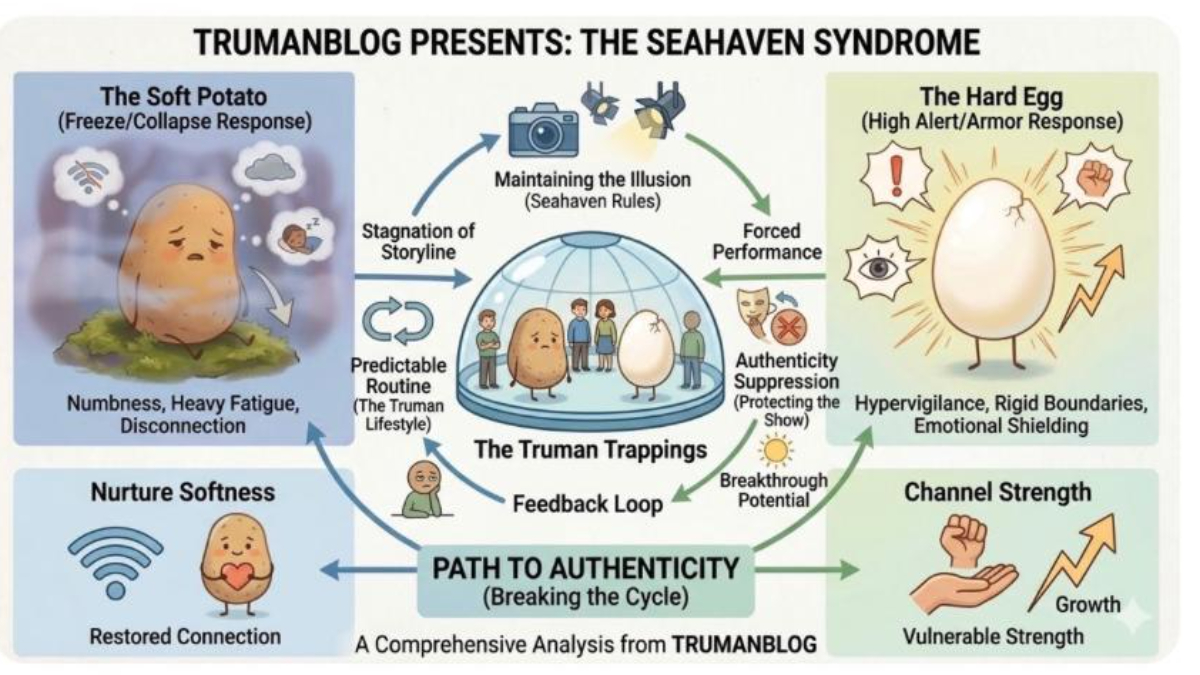
Trauma is a deeply distressing experience that overloads your ability to cope, often leaving your nervous system stuck in a constant survival loop. While it commonly causes people to either collapse into feelings of helplessness or harden emotionally to push others away, healing is entirely possible. Utilizing Cognitive Behavioral Therapy (CBT) provides structured tools to challenge negative thinking traps, calm anxiety loops, and safely rebuild a sense of personal security and control
Things People Misunderstand About Therapy

Things People Misunderstand About Therapy

Article | Psychotherapy
Therapy is not only for people with severe mental health problems; it is a scientific process that helps individuals understand emotions, improve coping skills, manage challenges, and build healthier patterns. A therapist does not simply give advice or solve problems for you, but helps you develop self-awareness and make meaningful changes.
From Pain to Growth: Reclaiming Your Life After Betrayal

From Pain to Growth: Reclaiming Your Life After Betrayal

Blog | Betrayal
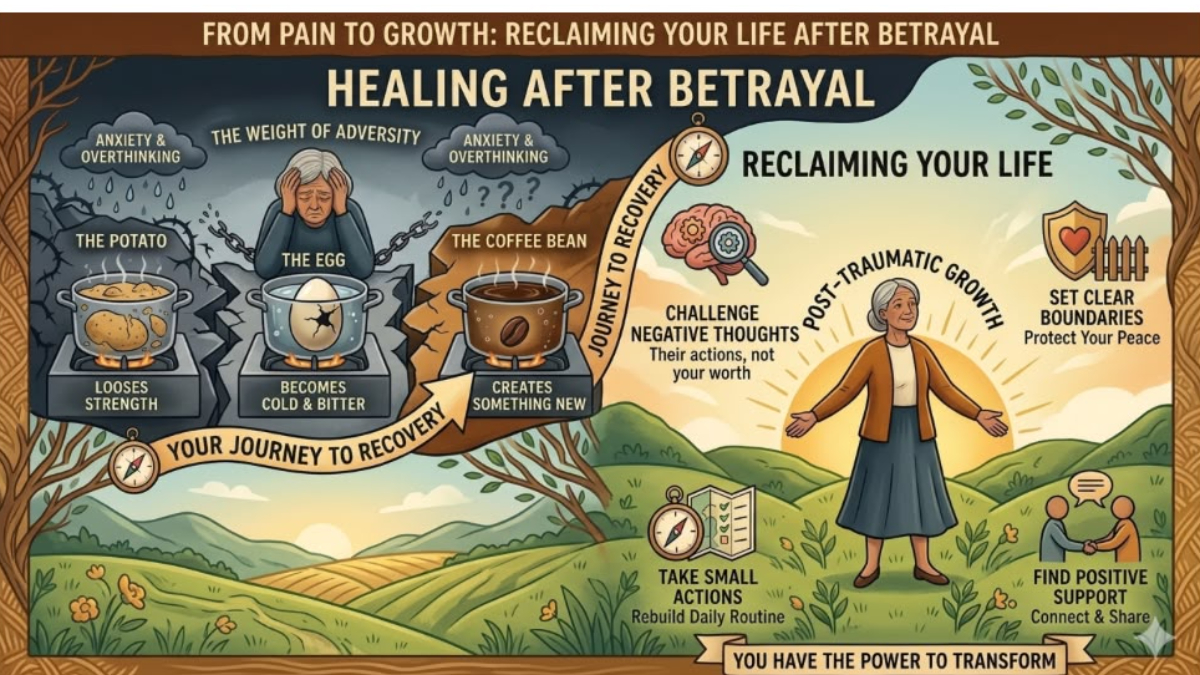
Betrayal deeply hurts and disrupts your sense of safety, often leading to anxiety and overthinking. While you cannot change what happened, you can control how you heal. Using Cognitive Behavioral Therapy (CBT) and the "boiling water" analogy, this guide helps you move past feeling broken or bitter so you can rebuild your life with confidence.
You need to be logged in to send messages
Login Sign up
To create your specialist profile, please log in to your account.
Login Sign up
You need to be logged in to contact us
Login Sign up
To create a new Question, please log in or create an account
Login Sign up
Share on other sites

If you are considering psychotherapy but do not know where to start, a free initial consultation is the perfect first step. It will allow you to explore your options, ask questions, and feel more confident about taking the first step towards your well-being.

It is a 30-minute, completely free meeting with a Mental Health specialist that does not obligate you to anything.

What are the benefits of a free consultation?

Who is a free consultation suitable for?

Important:

Potential benefits of a free initial consultation

During this first session: potential clients have the chance to learn more about you and your approach before agreeing to work together.

Offering a free consultation will help you build trust with the client. It shows them that you want to give them a chance to make sure you are the right person to help them before they move forward. Additionally, you should also be confident that you can support your clients and that the client has problems that you can help them cope with. Also, you can avoid any ethical difficult situations about charging a client for a session in which you choose not to proceed based on fit.

We've found that people are more likely to proceed with therapy after a free consultation, as it lowers the barrier to starting the process. Many people starting therapy are apprehensive about the unknown, even if they've had sessions before. Our culture associates a "risk-free" mindset with free offers, helping people feel more comfortable during the initial conversation with a specialist.

Another key advantage for Specialist

Specialists offering free initial consultations will be featured prominently in our upcoming advertising campaign, giving you greater visibility.


It's important to note that the initial consultation differs from a typical therapy session:

No Internet Connection It seems you’ve lost your internet connection. Please refresh your page to try again. Your message has been sent

