


All Categories
Show more

Posts

The Loneliness Pandemic: A Silent Global Crisis

The Loneliness Pandemic: A Silent Global Crisis

Article | Loneliness
Loneliness is a growing global health crisis linked to depression, anxiety, heart disease, and early mortality. Despite digital connectivity, many lack meaningful emotional bonds. Chronic isolation reshapes cognition and increases social threat perception. Addressing loneliness requires community support, open conversations, and therapeutic intervention to rebuild connection and belonging.
Understanding the Teenage Mind

Understanding the Teenage Mind

Article | Adolescent psychology
Adolescent psychology focuses on the mental, emotional, and social development of individuals between the ages of 10 and 19. This stage is marked by significant changes, including intense emotions, a search for identity, a desire for independence, and strong peer influence.
Why Am I So Tired? The Emotional Side of Fatigue Nobody Talks About

Why Am I So Tired? The Emotional Side of Fatigue Nobody Talks About

Article | Emotions
You haven't lifted a finger yet — so why does exhaustion hit the moment you think about that task? Your brain might be using fatigue as a hidden emotion. Here's the science behind it.
Sustainable Weight Loss Without Dieting: How Flexible Eating Changes Everything

Sustainable Weight Loss Without Dieting: How Flexible Eating Changes Everything

Article | Eating disorders
Forget everything you've heard about strict diets and punishing workouts. Science shows that flexibility — not willpower — is the real key to losing weight and keeping it off for good.
Daily Habits Challenge: Why 100-Day Challenges Work When New Year's Resolutions Don't

Daily Habits Challenge: Why 100-Day Challenges Work When New Year's Resolutions Don't

Article | Self-care
Millions set goals every January — and quit by February. Science reveals why small daily actions rewire your brain where willpower always fails. Discover the structure that makes change finally stick.
How to Build Self-Confidence from Within: 5 Science-Backed Steps That Actually

How to Build Self-Confidence from Within: 5 Science-Backed Steps That Actually

Article | Self-esteem
Real confidence isn't about faking it. It's built quietly — through how you treat yourself when no one's watching. Here's the science behind it.
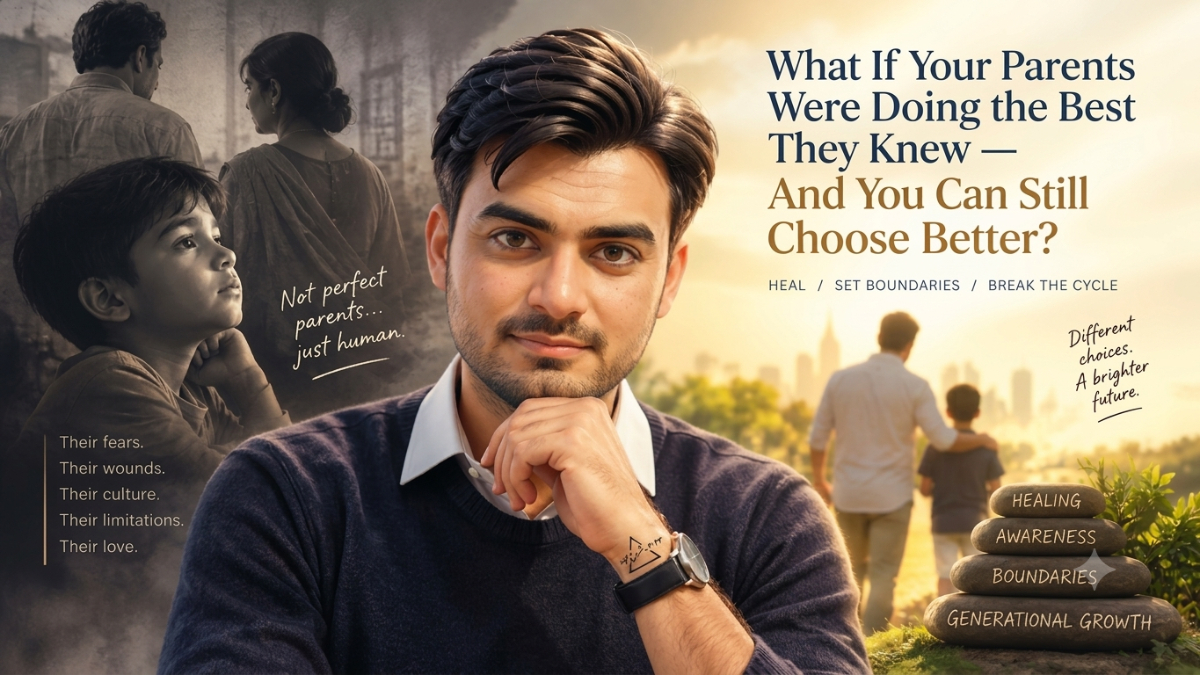
Why We Keep Choosing the Wrong People (And How to Break the Pattern)

Why We Keep Choosing the Wrong People (And How to Break the Pattern)

Article | Relationship

Do you keep ending up in the same painful relationships? The pattern isn't bad luck — it's your nervous system following a familiar blueprint shaped in early life. In this article, I explore why we're drawn to what feels familiar over what is actually healthy, the most common relationship patterns I see in practice, and five concrete steps to begin breaking the cycle. Change is possible — and it starts with understanding yourself.

How to Achieve Your Dreams: 7 Proven Rules That Actually Work

How to Achieve Your Dreams: 7 Proven Rules That Actually Work

Article | Goal setting
Most people don't fail at their dreams — they never truly begin. Here are 7 rules that change everything.
Emotional Regulation

Emotional Regulation

Article | Emotions
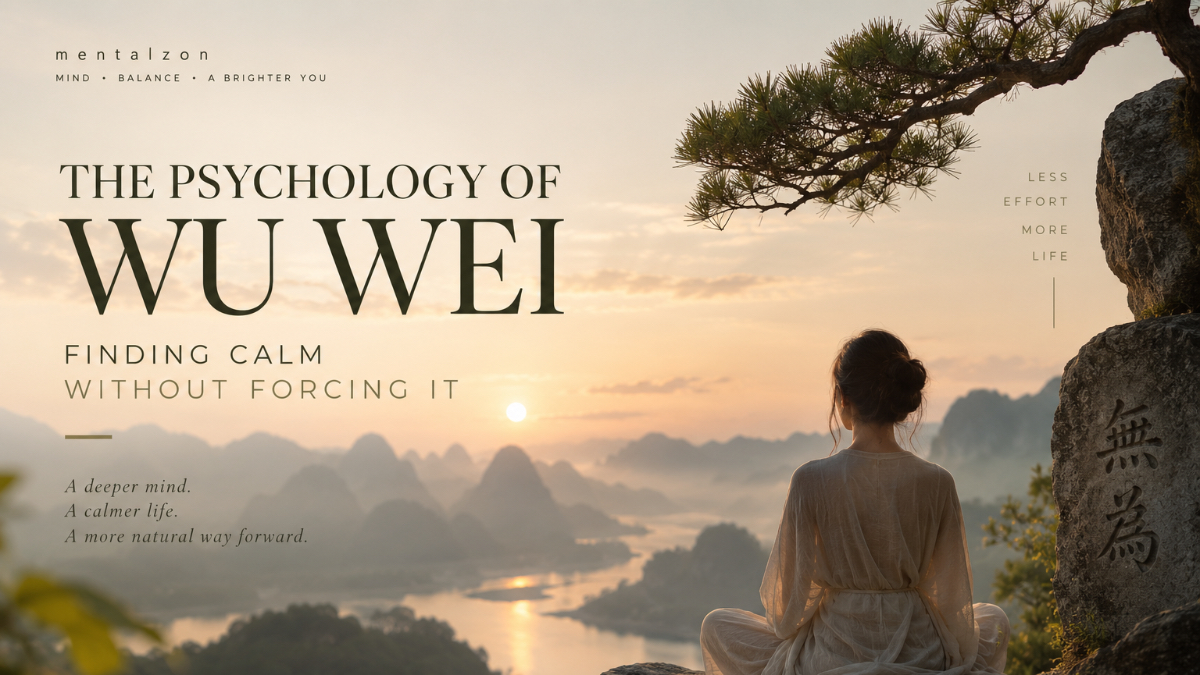
Strategies to Improving Emotional Regulation in the Classroom.
Covering hair is not bad it is a way to safe their emotions

Covering hair is not bad it is a way to safe their emotions

Article | Other
When a child with Autism Spectrum Disorder covers their ears, it is usually a response to sensory overload, especially related to sound. Many autistic children have sensory processing differences, meaning their brain processes sounds, touch, light, or movement differently.
You need to be logged in to send messages
Login Sign up
To create your specialist profile, please log in to your account.
Login Sign up
You need to be logged in to contact us
Login Sign up
To create a new Question, please log in or create an account
Login Sign up
Share on other sites

If you are considering psychotherapy but do not know where to start, a free initial consultation is the perfect first step. It will allow you to explore your options, ask questions, and feel more confident about taking the first step towards your well-being.

It is a 30-minute, completely free meeting with a Mental Health specialist that does not obligate you to anything.

What are the benefits of a free consultation?

Who is a free consultation suitable for?

Important:

Potential benefits of a free initial consultation

During this first session: potential clients have the chance to learn more about you and your approach before agreeing to work together.

Offering a free consultation will help you build trust with the client. It shows them that you want to give them a chance to make sure you are the right person to help them before they move forward. Additionally, you should also be confident that you can support your clients and that the client has problems that you can help them cope with. Also, you can avoid any ethical difficult situations about charging a client for a session in which you choose not to proceed based on fit.

We've found that people are more likely to proceed with therapy after a free consultation, as it lowers the barrier to starting the process. Many people starting therapy are apprehensive about the unknown, even if they've had sessions before. Our culture associates a "risk-free" mindset with free offers, helping people feel more comfortable during the initial conversation with a specialist.

Another key advantage for Specialist

Specialists offering free initial consultations will be featured prominently in our upcoming advertising campaign, giving you greater visibility.


It's important to note that the initial consultation differs from a typical therapy session:

No Internet Connection It seems you’ve lost your internet connection. Please refresh your page to try again. Your message has been sent

