





All Categories
Show more

Posts

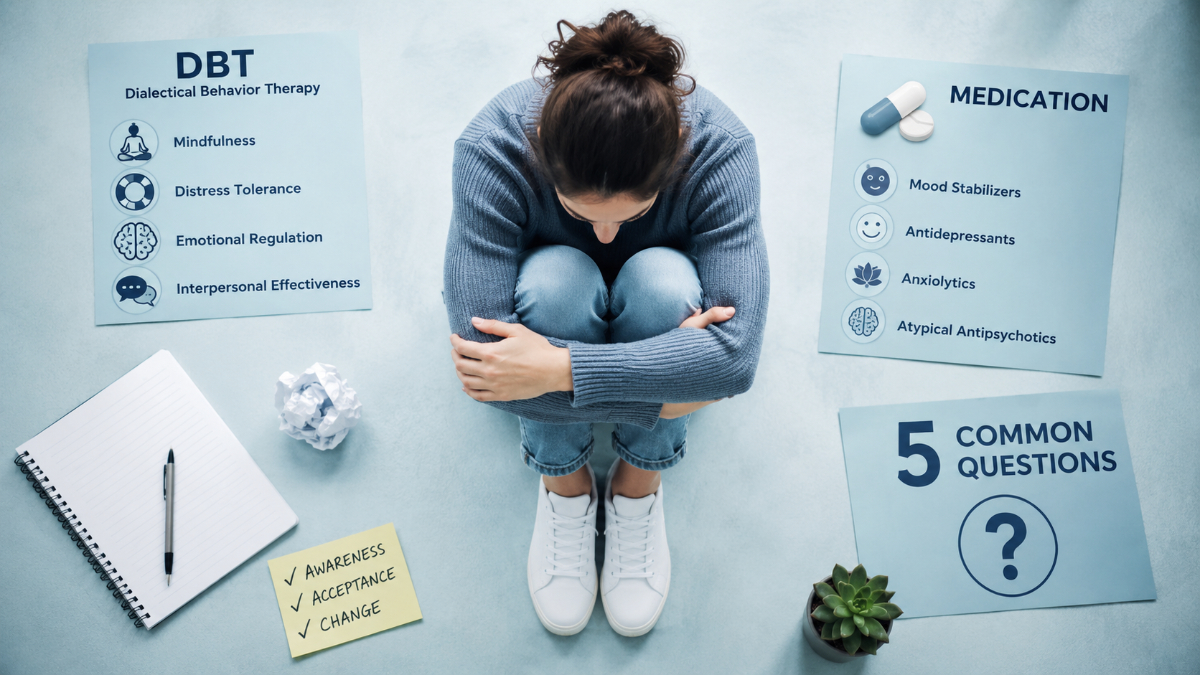
Borderline Personality Disorder: 5 Questions About DBT and Medication

Borderline Personality Disorder: 5 Questions About DBT and Medication

Article | Mental disorder
Is psychotherapy enough for BPD? Why might medication still be prescribed? Clear answers to five common questions about DBT, symptoms, setbacks, and family support.
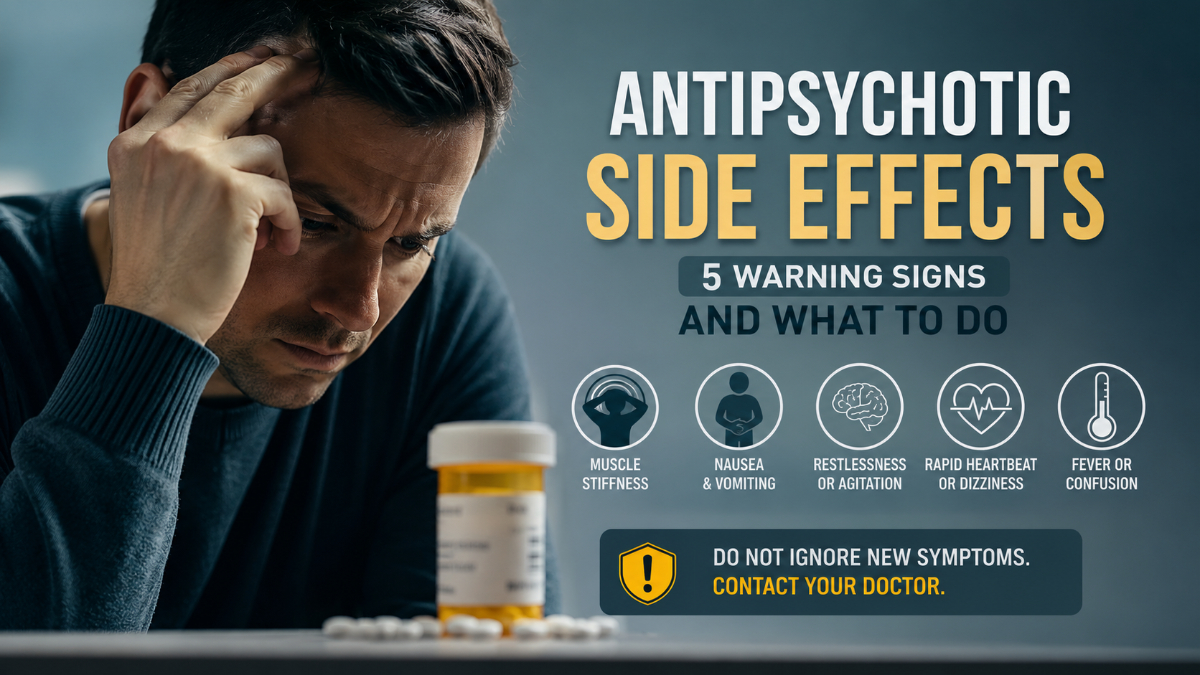
Antipsychotic Side Effects: 5 Warning Signs You Shouldn’t Ignore

Antipsychotic Side Effects: 5 Warning Signs You Shouldn’t Ignore

Article | Mental health
Muscle spasms, restlessness, weight gain, missed periods, or severe drowsiness may be medication side effects. Learn which reactions require a conversation with your doctor—and when urgent help is needed.
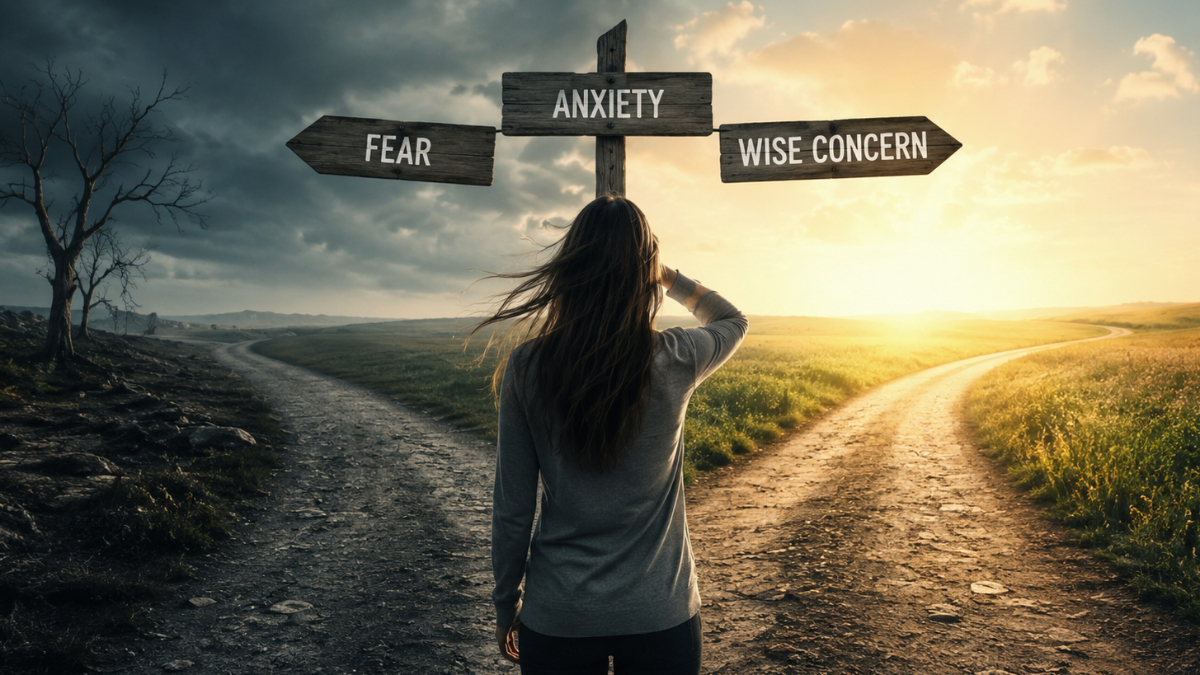
Fear vs. Anxiety: How to Tell the Difference

Fear vs. Anxiety: How to Tell the Difference

Article | Fears and phobias
Fear, anxiety, and sensible concern may feel similar, but they affect us differently. Understanding the difference can help you stop endless doubt, make a decision, and take useful action.
Meditation: Tipps und Impulse für die Begegnung mit Dir selbst

Meditation: Tipps und Impulse für die Begegnung mit Dir selbst

Blog | Mindfulness and Meditation
Viele Menschen beginnen mit Meditation in der Hoffnung, möglichst schnell innere Ruhe zu finden – und sind enttäuscht, wenn ihr Gedankenkarussell zunächst sogar lauter wird. Dabei ist genau das ein ganz normaler Teil des Prozesses. Meditation bedeutet nicht, Gedanken sofort abzuschalten, sondern mit der Zeit einen neuen Umgang mit ihnen zu entwickeln.
Why Psychiatric Medication Stops Working

Why Psychiatric Medication Stops Working

Article | Psychotherapy
Psychiatric medication may lose its effect for several reasons—from missed doses and alcohol use to an incorrect diagnosis or genuine treatment resistance. Learn what should be checked before giving up on treatment.
Meditation: Tips & Insights for Meeting Yourself

Meditation: Tips & Insights for Meeting Yourself

Blog | Mindfulness and Meditation
Many people start meditating with the hope of quickly finding peace, only to feel discouraged when their minds become even busier. But this experience is completely normal. Meditation isn't about instantly silencing your thoughts, it's about learning to relate to them differently over time.
What Is Delirium Tremens and Why Is It So Dangerous?

What Is Delirium Tremens and Why Is It So Dangerous?

Article | Harmful habits
Delirium tremens can appear several days after a person stops drinking. Learn why confusion, hallucinations, seizures, and severe agitation require immediate hospital care.
Alcohol and Depression: Why Drinking for Stress Relief Can Make You Feel Worse

Alcohol and Depression: Why Drinking for Stress Relief Can Make You Feel Worse

Article | Harmful habits
Alcohol may ease stress for a few hours, but anxiety, fatigue, and low mood can return even stronger. Learn how drinking and depression can reinforce each other—and when it is time to seek help.
What Does a Psychiatrist Do? Services, Limits, and Patient Rights in Private Practice

What Does a Psychiatrist Do? Services, Limits, and Patient Rights in Private Practice

Article | Psychotherapy
Can a psychiatrist diagnose, prescribe medication, protect your privacy, or require treatment? Learn what psychiatric care really includes—and where the doctor’s legal and ethical authority ends.
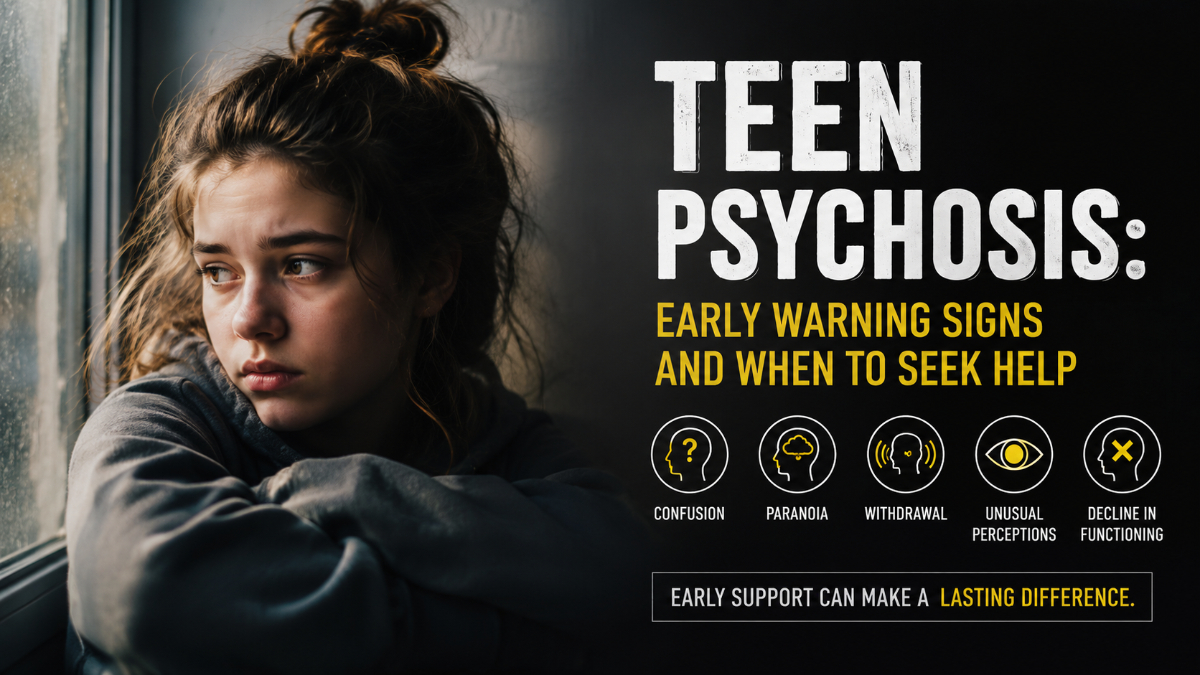
Teen Psychosis: Early Warning Signs and When to Seek Help

Teen Psychosis: Early Warning Signs and When to Seek Help

Article | Adolescent psychology
Sudden isolation, sleeplessness, declining grades, unusual beliefs, or self-harm may signal more than typical teen behavior. Learn which warning signs require professional attention.
You need to be logged in to send messages
Login Sign up
To create your specialist profile, please log in to your account.
Login Sign up
You need to be logged in to contact us
Login Sign up
To create a new Question, please log in or create an account
Login Sign up
Share on other sites

If you are considering psychotherapy but do not know where to start, a free initial consultation is the perfect first step. It will allow you to explore your options, ask questions, and feel more confident about taking the first step towards your well-being.

It is a 30-minute, completely free meeting with a Mental Health specialist that does not obligate you to anything.

What are the benefits of a free consultation?

Who is a free consultation suitable for?

Important:

Potential benefits of a free initial consultation

During this first session: potential clients have the chance to learn more about you and your approach before agreeing to work together.

Offering a free consultation will help you build trust with the client. It shows them that you want to give them a chance to make sure you are the right person to help them before they move forward. Additionally, you should also be confident that you can support your clients and that the client has problems that you can help them cope with. Also, you can avoid any ethical difficult situations about charging a client for a session in which you choose not to proceed based on fit.

We've found that people are more likely to proceed with therapy after a free consultation, as it lowers the barrier to starting the process. Many people starting therapy are apprehensive about the unknown, even if they've had sessions before. Our culture associates a "risk-free" mindset with free offers, helping people feel more comfortable during the initial conversation with a specialist.

Another key advantage for Specialist

Specialists offering free initial consultations will be featured prominently in our upcoming advertising campaign, giving you greater visibility.


It's important to note that the initial consultation differs from a typical therapy session:

No Internet Connection It seems you’ve lost your internet connection. Please refresh your page to try again. Your message has been sent

