






All Categories
Show more

Posts

Why Your First Hour After Waking Up Determines Your Entire Day

Why Your First Hour After Waking Up Determines Your Entire Day

Blog | Self-care
You don't lose your day at noon. You lose it in the first twenty minutes after waking up — without even realizing it. Here's what's actually happening in your brain, and what small shifts can change everything.
Why Low Self-Esteem Is Costing You Money — And How to Fix It

Why Low Self-Esteem Is Costing You Money — And How to Fix It

Blog | Self-esteem
Your skills are real. Your value is real. So why does asking for more feel so impossible? The answer might surprise you — and it starts long before your career did.
16 Small Daily Habits That Change Your Life — No Willpower Required

16 Small Daily Habits That Change Your Life — No Willpower Required

Blog | Mental health
What if changing your life didn't require massive effort? These 16 small daily habits — backed by real neuroscience — prove that just two minutes a day, done consistently, can reshape your mood, health, and mindset.
Why Love Fades: What Your Brain Is Really Doing in a Long-Term Relationship

Why Love Fades: What Your Brain Is Really Doing in a Long-Term Relationship

Blog | Man and woman relationship
You fall in love. Then, quietly, something shifts. Science explains exactly why that electric feeling changes — and what it means for the future of your relationship.
Demonic Possession or Mental Illness: What Science Really Says

Demonic Possession or Mental Illness: What Science Really Says

Article | Mental disorder
For centuries, it was called possession. Today, science calls it epilepsy, schizophrenia, or Tourette's. The difference? Access to the right diagnosis — and whether it came in time.
Dark Psychology Explained: What Hannibal Lecter Reveals About the Human Mind

Dark Psychology Explained: What Hannibal Lecter Reveals About the Human Mind

Article | Mental disorder
What makes a man both brilliant and monstrous? Dark psychology explains why Hannibal Lecter fascinates us — and what his mind reveals about our own.
Joan of Arc Schizophrenia, Epilepsy, or Saint? A Psychological Analysis

Joan of Arc Schizophrenia, Epilepsy, or Saint? A Psychological Analysis

Article | Mental disorder
Was Joan of Arc mentally ill — or simply unlike anyone history had seen? Psychology takes a hard look at the voices, the visions, and the woman behind them.
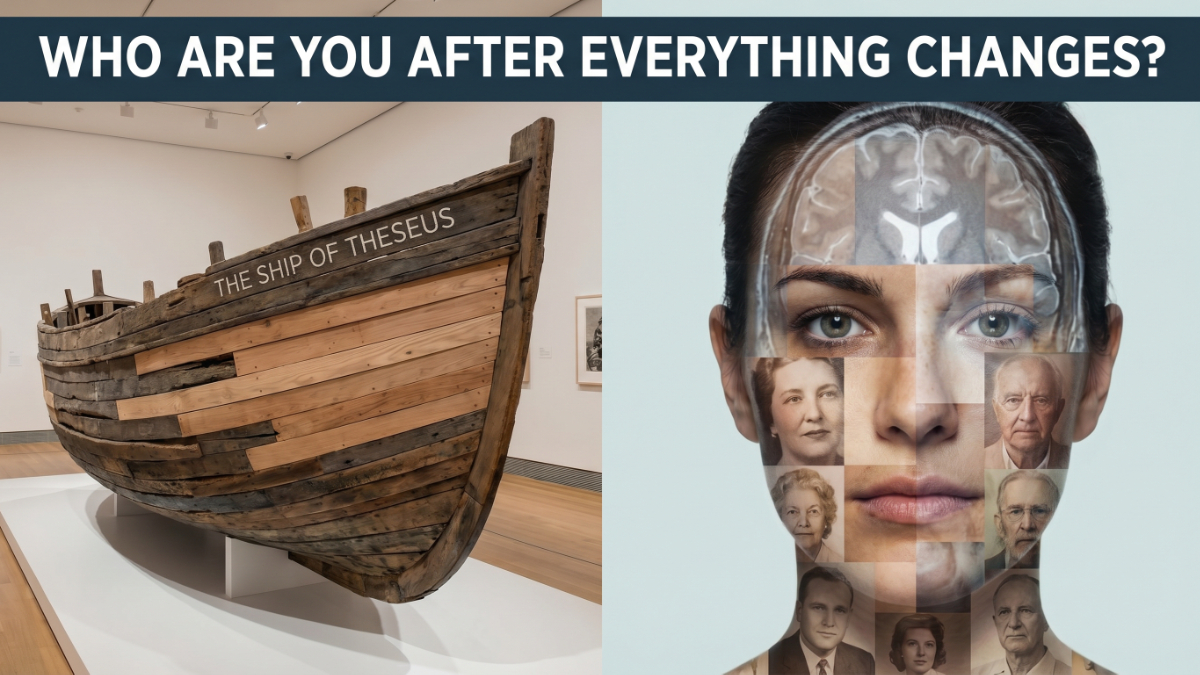
The Ship of Theseus and Personal Identity: Who Are You After Everything Changes?

The Ship of Theseus and Personal Identity: Who Are You After Everything Changes?

Article | Self-acceptance
What if you're not the same person you were 10 years ago — and that's philosophically provable? The Ship of Theseus paradox reveals something unsettling about identity, change, and the self.
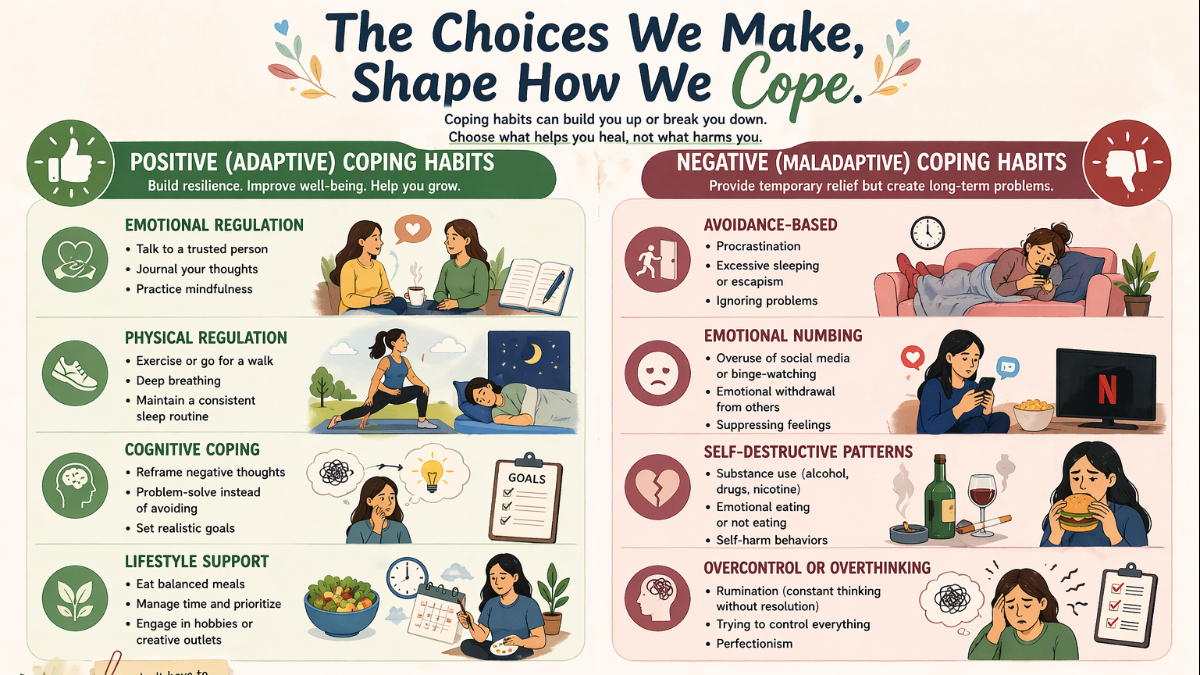
The choices we make Shape how we cope

The choices we make Shape how we cope

Article | Stress
Coping habits are the strategies people use to manage stress, emotions, and difficult situations. Not all coping is equal—some habits help regulate and heal, while others provide temporary relief but create long-term problems.
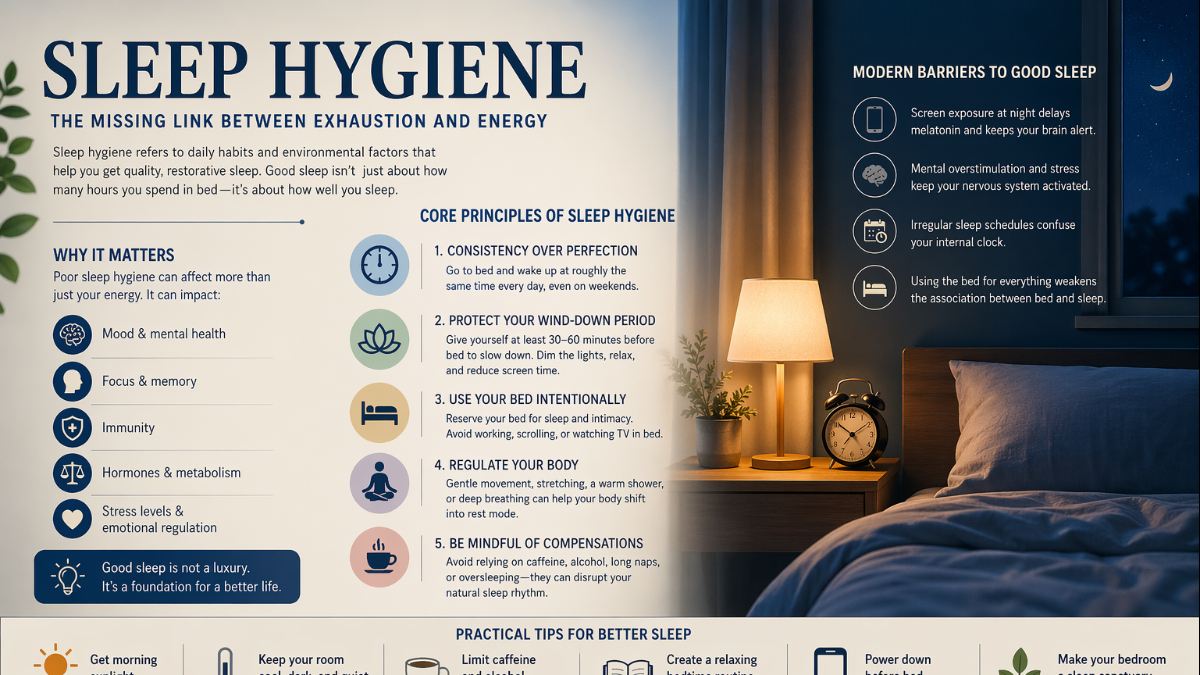
You’re Not ‘Bad at Sleeping’ — You Just Need Better Sleep Hygiene

You’re Not ‘Bad at Sleeping’ — You Just Need Better Sleep Hygiene

Article | Sleep disorders, insomnia
Sleep is often treated as something passive—something that just “happens.” But in reality, it’s a skill shaped by how you live your day. When sleep hygiene improves, it doesn’t just give you better nights—it gives you clearer thinking, steadier emotions, and a more regulated nervous system. In a fast-paced, overstimulated world, good sleep hygiene is not a luxury. It’s a necessity.
You need to be logged in to send messages
Login Sign up
To create your specialist profile, please log in to your account.
Login Sign up
You need to be logged in to contact us
Login Sign up
To create a new Question, please log in or create an account
Login Sign up
Share on other sites

If you are considering psychotherapy but do not know where to start, a free initial consultation is the perfect first step. It will allow you to explore your options, ask questions, and feel more confident about taking the first step towards your well-being.

It is a 30-minute, completely free meeting with a Mental Health specialist that does not obligate you to anything.

What are the benefits of a free consultation?

Who is a free consultation suitable for?

Important:

Potential benefits of a free initial consultation

During this first session: potential clients have the chance to learn more about you and your approach before agreeing to work together.

Offering a free consultation will help you build trust with the client. It shows them that you want to give them a chance to make sure you are the right person to help them before they move forward. Additionally, you should also be confident that you can support your clients and that the client has problems that you can help them cope with. Also, you can avoid any ethical difficult situations about charging a client for a session in which you choose not to proceed based on fit.

We've found that people are more likely to proceed with therapy after a free consultation, as it lowers the barrier to starting the process. Many people starting therapy are apprehensive about the unknown, even if they've had sessions before. Our culture associates a "risk-free" mindset with free offers, helping people feel more comfortable during the initial conversation with a specialist.

Another key advantage for Specialist

Specialists offering free initial consultations will be featured prominently in our upcoming advertising campaign, giving you greater visibility.


It's important to note that the initial consultation differs from a typical therapy session:

No Internet Connection It seems you’ve lost your internet connection. Please refresh your page to try again. Your message has been sent

