






Author: Leo Syumar

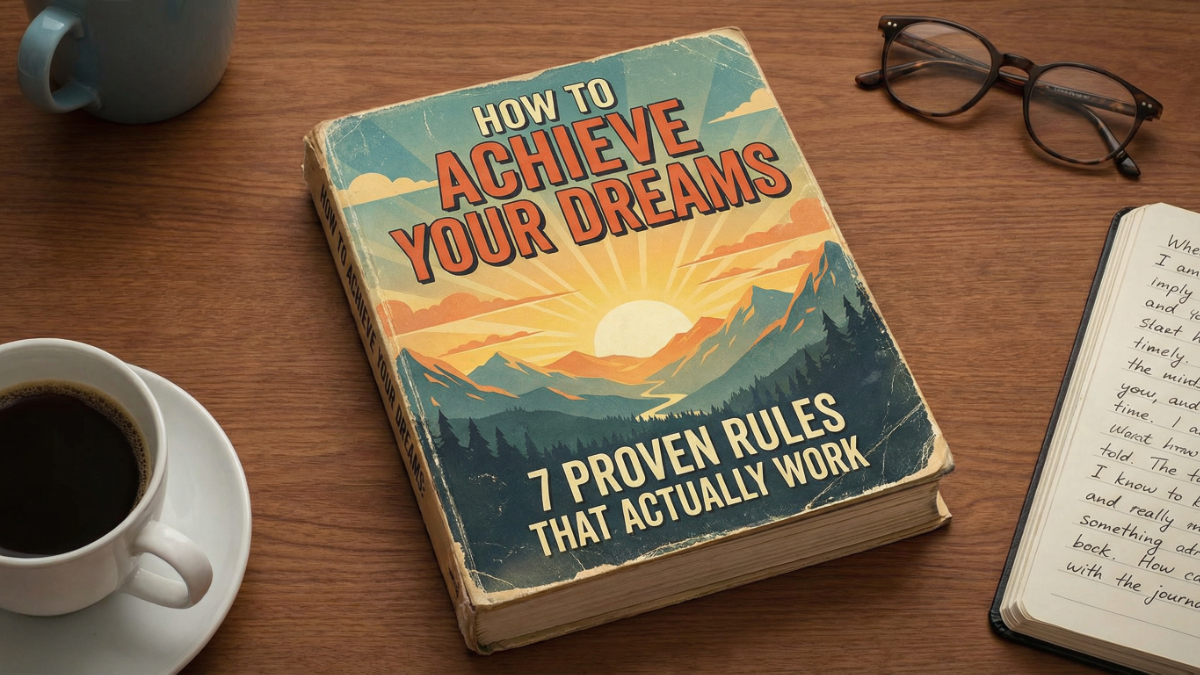
How to Achieve Your Dreams: 7 Proven Rules That Actually Work

How to Achieve Your Dreams: 7 Proven Rules That Actually Work

Article | Goal setting
Most people don't fail at their dreams — they never truly begin. Here are 7 rules that change everything.
Why You're Never Satisfied — And How to Finally Be Happy, According to Psychology

Why You're Never Satisfied — And How to Finally Be Happy, According to Psychology

Article | Self-care
You work hard, get what you wanted — and still feel empty. There's a reason for that. And once you understand it, everything starts to shift.
How to Build Self-Discipline: The 3 Pillars That Actually Work

How to Build Self-Discipline: The 3 Pillars That Actually Work

Article | Self-care
Most people think discipline is something you're born with. It's not. It's built — one decision at a time. Here's exactly how.
Alpha Brain Waves Explained: How to Unlock Your Mind's Hidden Power

Alpha Brain Waves Explained: How to Unlock Your Mind's Hidden Power

Article | Self-care
Most of us walk through the day completely unaware that the brain we're using is actually running on just one of its many available settings. And that one setting — while useful — might be keeping us stuck, burned out, and creatively dry.
Depersonalization and Derealization Disorder: Symptoms, Causes, and What It Really Feels Like

Depersonalization and Derealization Disorder: Symptoms, Causes, and What It Really Feels Like

Article | Mental disorder
Your feelings went numb. The world looks fake. Your own hands don't feel like yours. Is it depersonalization, derealization — or something else entirely? The answer matters more than you think.
Why Am I So Negative? The Tetris Effect Behind Your Thought Patterns

Why Am I So Negative? The Tetris Effect Behind Your Thought Patterns

Article | Self-acceptance
One mistake at work — and suddenly everything feels wrong. It's not pessimism. It's a mental pattern called the Tetris Effect. Here's how to break it.
Call of the Void: Why Intrusive Thoughts Don't Mean What You Think

Call of the Void: Why Intrusive Thoughts Don't Mean What You Think

Article | Intrusive behavior, thoughts
You're calm. You're safe. And then your brain whispers: "What if you jumped?" It's not what you think — and millions of people experience it.
Dark Psychology Manipulation

Dark Psychology Manipulation

Article | Manipulation
We all like to think we are fully in control of our thoughts and feelings, but the human mind possesses vulnerable spots that others can exploit — sometimes without much effort.
The Quiet Wish to Fade Away

The Quiet Wish to Fade Away

Article | Suicidal behavior
Many people encounter moments when they quietly wish they could simply stop existing—not necessarily in a sudden or violent way, but with a soft, aching desire to simply pause everything.
Six Rare Mental Disorders That Challenge Our Understanding

Six Rare Mental Disorders That Challenge Our Understanding

Article | Mental disorder
Mental health issues affect millions of people worldwide. While common conditions like anxiety or depression often receive the bulk of public attention, some disorders remain in the shadows—rare, misunderstood, and deeply impactful.
You need to be logged in to send messages
Login Sign up
To create your specialist profile, please log in to your account.
Login Sign up
You need to be logged in to contact us
Login Sign up
To create a new Question, please log in or create an account
Login Sign up
Share on other sites

If you are considering psychotherapy but do not know where to start, a free initial consultation is the perfect first step. It will allow you to explore your options, ask questions, and feel more confident about taking the first step towards your well-being.

It is a 30-minute, completely free meeting with a Mental Health specialist that does not obligate you to anything.

What are the benefits of a free consultation?

Who is a free consultation suitable for?

Important:

Potential benefits of a free initial consultation

During this first session: potential clients have the chance to learn more about you and your approach before agreeing to work together.

Offering a free consultation will help you build trust with the client. It shows them that you want to give them a chance to make sure you are the right person to help them before they move forward. Additionally, you should also be confident that you can support your clients and that the client has problems that you can help them cope with. Also, you can avoid any ethical difficult situations about charging a client for a session in which you choose not to proceed based on fit.

We've found that people are more likely to proceed with therapy after a free consultation, as it lowers the barrier to starting the process. Many people starting therapy are apprehensive about the unknown, even if they've had sessions before. Our culture associates a "risk-free" mindset with free offers, helping people feel more comfortable during the initial conversation with a specialist.

Another key advantage for Specialist

Specialists offering free initial consultations will be featured prominently in our upcoming advertising campaign, giving you greater visibility.


It's important to note that the initial consultation differs from a typical therapy session:

No Internet Connection It seems you’ve lost your internet connection. Please refresh your page to try again. Your message has been sent

