




All Categories
Show more

Posts about Psychotherapy

Reclaiming Dignity: The Intersection of Islamic Faith and Psychological Well-Being in Marriage

Reclaiming Dignity: The Intersection of Islamic Faith and Psychological Well-Being in Marriage

Blog | Psychotherapy
For many Muslim women, navigating a difficult marriage involves an agonizing conflict between spiritual duty and mental survival. Traditional misinterpretations often frame patience (Sabr) as passive endurance of injustice (Zulm). However, both Islamic jurisprudence and modern psychological principles reveal a unified truth: setting healthy boundaries and preserving one's emotional well-being are not sins—they are essential acts of self-preservation, dignity (Hurmah), and spiritual responsibility.
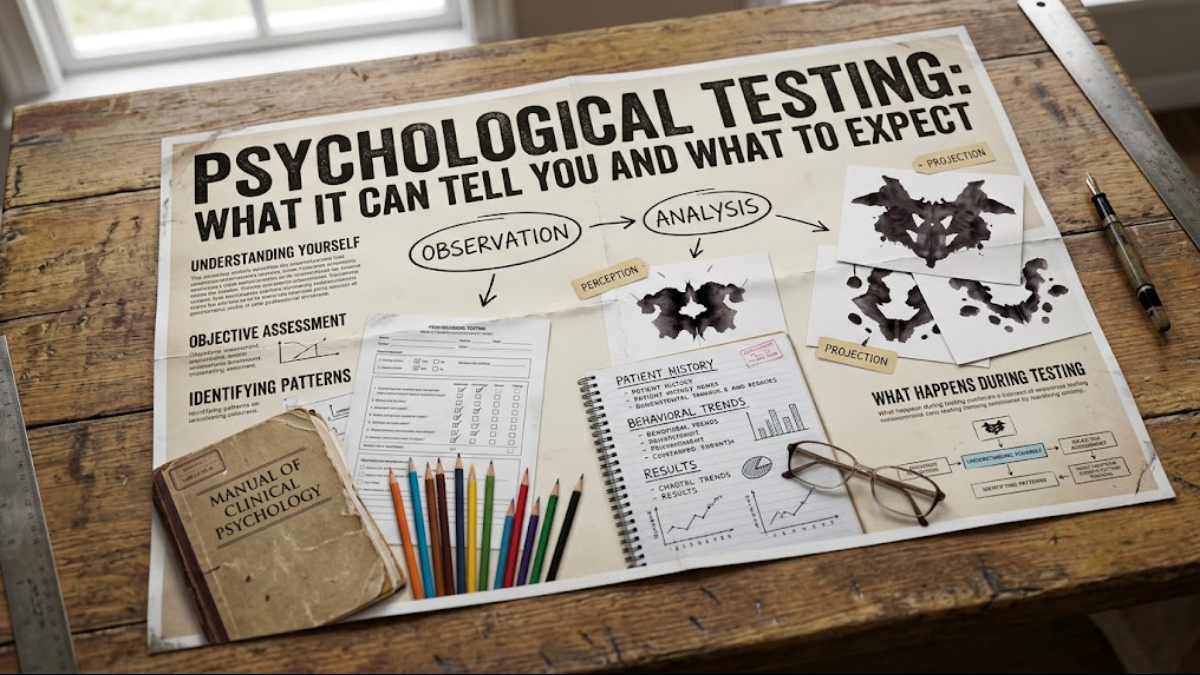
Psychological Testing: What It Can Tell You and What to Expect

Psychological Testing: What It Can Tell You and What to Expect

Article | Psychotherapy
Struggling with memory, focus, or emotions? Psychological testing can help clarify what is happening. Discover what it can reveal, where its limits lie, and how the findings can guide your next steps.
Sometimes You Don’t Need Advice — You Need to Be Heard

Sometimes You Don’t Need Advice — You Need to Be Heard

Article | Psychotherapy
There are moments in life when we don't need someone to tell us what to do. We don't need another piece of advice, another lecture, or someone reminding us to “stay strong.” Sometimes, we simply need someone to listen.
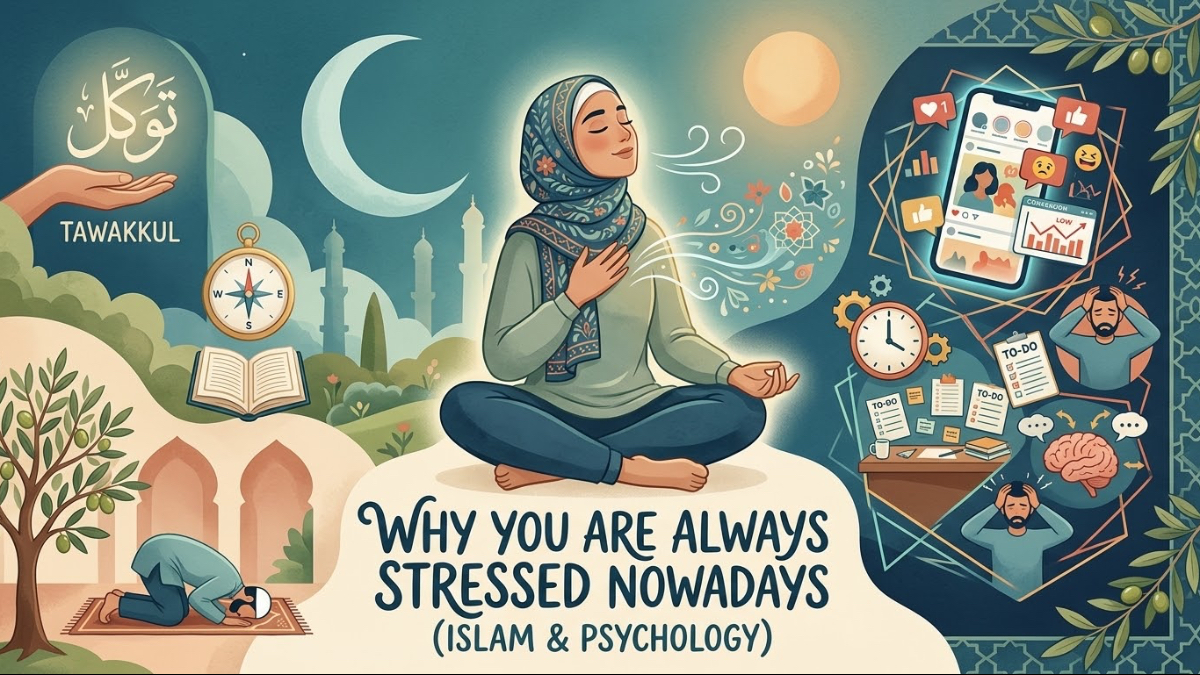
Why You Are Always Stressed Nowadays (Islam & Psychology)

Why You Are Always Stressed Nowadays (Islam & Psychology)

Blog | Psychotherapy
In a world of constant connectivity and material convenience, chronic stress, overthinking, and burnout have reached an all-time high. This article examines the root causes of modern mental fatigue through a dual lens—combining modern cognitive psychology with Islamic spiritual wisdom. By understanding the illusion of control, managing digital overload, and practicing true Tawakkul (trust in God), you can break the cycle of anxiety and reclaim lasting inner peace.
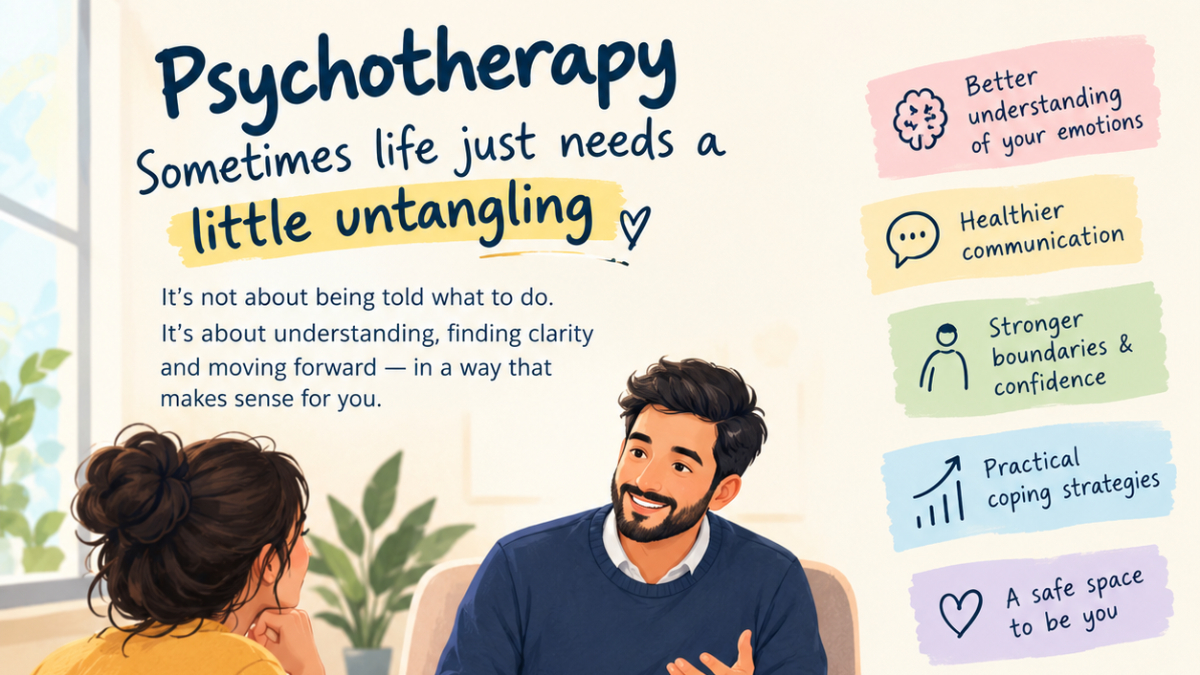
Therapy Isn’t About Fixing You — It’s About Understanding You.

Therapy Isn’t About Fixing You — It’s About Understanding You.

Article | Psychotherapy
Psychotherapy is not about fixing people or telling them what to do—it is about creating a safe, non-judgmental space where they can understand their thoughts, emotions, behaviours, and life experiences. Through open conversation, empathy, practical tools, and sometimes a little humour, therapy can help people build confidence, improve communication, set healthier boundaries, and develop better ways of coping with life’s challenges. Every person has a different story, and the goal is to help them understand that story and find their own way forward.
ECT Treatment: What to Expect Before, During, and After

ECT Treatment: What to Expect Before, During, and After

Article | Psychotherapy
What does ECT actually involve? From preparation and anesthesia to memory concerns and follow-up care, discover what to expect—and which questions deserve answers before treatment begins.
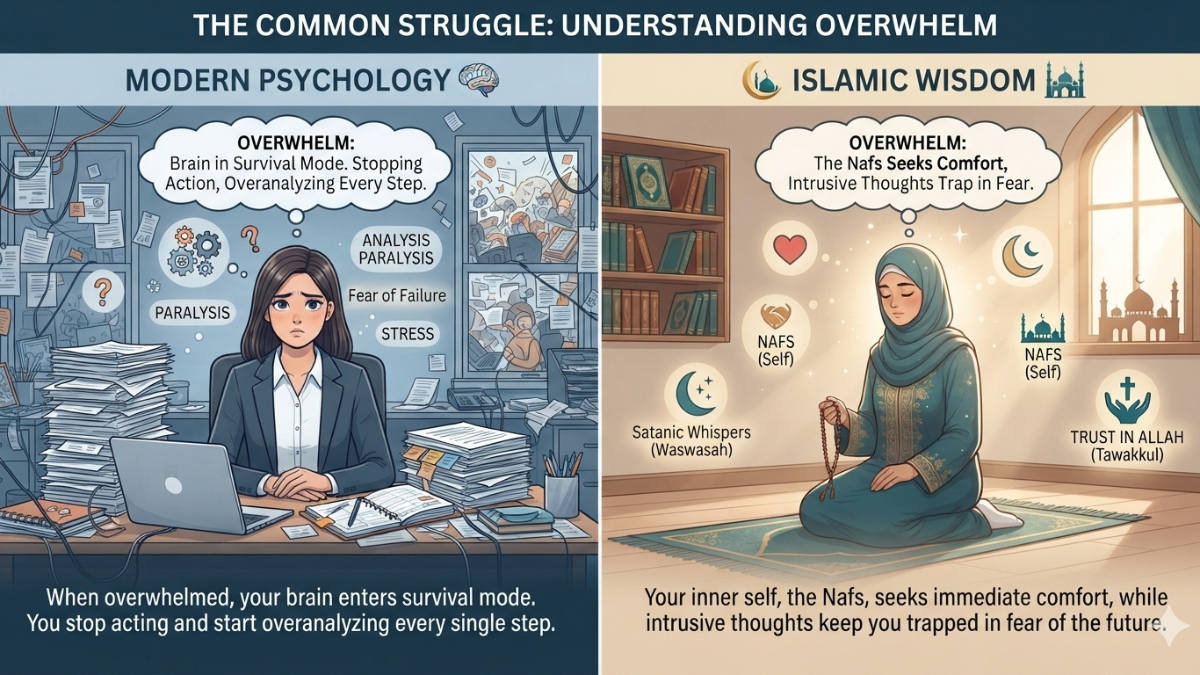
The Science & Wisdom of the Freeze Response: Why Overthinking Paralyzes You (and How to Break Free)

The Science & Wisdom of the Freeze Response: Why Overthinking Paralyzes You (and How to Break Free)

Article | Psychotherapy
When stress leads to chronic overthinking and inaction, it is not a character flaw—it is a physiological freeze response where the brain shuts down momentum to protect against overwhelm. By combining cognitive behavioral tools (somatic cold-water resets, verbal reframing, and micro-stepping) with classic spiritual grounding practices, you can effectively regulate your nervous system, quiet intrusive thought loops, and move from paralysis back into meaningful action
Tawakkul: A Psychological Lens on the Art of Letting Go

Tawakkul: A Psychological Lens on the Art of Letting Go

Blog | Psychotherapy
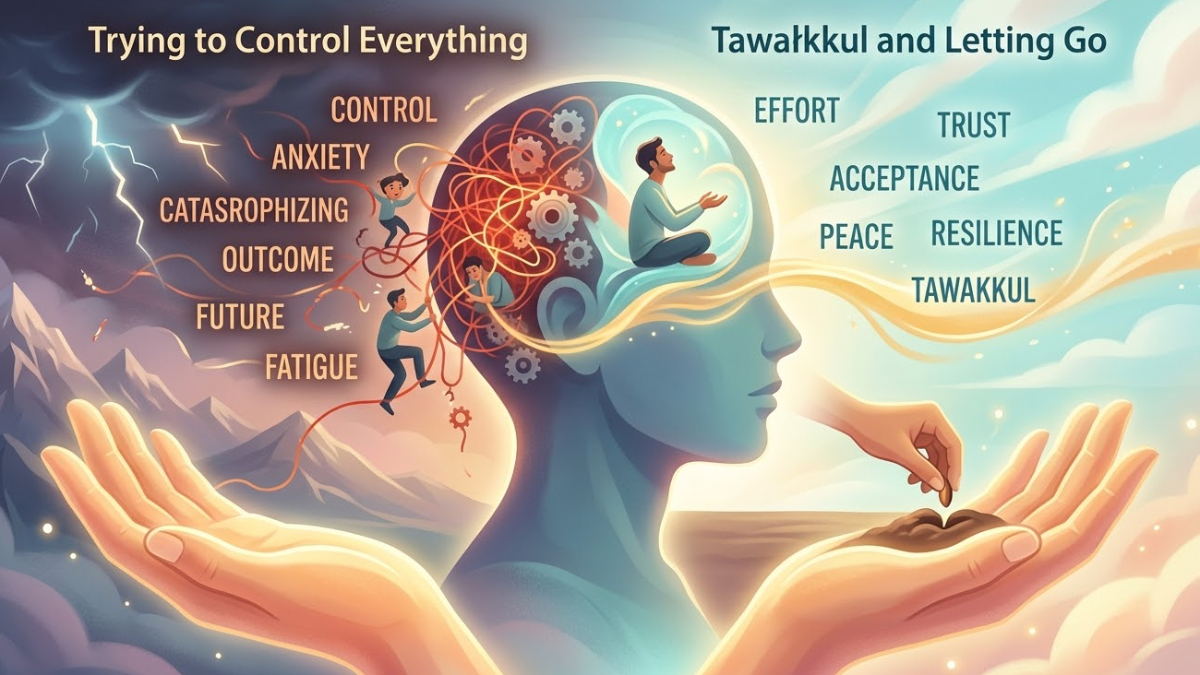
From a psychological perspective, Tawakkul (spiritual trust and surrender) acts as a powerful buffer against anxiety and burnout. It combines an internal locus of control (taking full responsibility for your actions) with a healthy external surrender (releasing attachment to the final result). This shift protects the mind from constant worry, quiets the nervous system, and builds deep emotional resilience.
Rollo May: When Therapy Stops Asking Only “What Is Wrong With You?”

Rollo May: When Therapy Stops Asking Only “What Is Wrong With You?”

Article | Psychotherapy
Rollo May brought existential philosophy into psychotherapy, focusing not only on psychological symptoms but on a deeper question: How is this person living
Can Psychotherapy Help With Serious Mental Illness?

Can Psychotherapy Help With Serious Mental Illness?

Article | Psychotherapy
Psychotherapy cannot always replace medication, but it can help people rebuild relationships, routines, confidence, and independence after serious psychiatric symptoms begin to stabilize.
You need to be logged in to send messages
Login Sign up
To create your specialist profile, please log in to your account.
Login Sign up
You need to be logged in to contact us
Login Sign up
To create a new Question, please log in or create an account
Login Sign up
Share on other sites

If you are considering psychotherapy but do not know where to start, a free initial consultation is the perfect first step. It will allow you to explore your options, ask questions, and feel more confident about taking the first step towards your well-being.

It is a 30-minute, completely free meeting with a Mental Health specialist that does not obligate you to anything.

What are the benefits of a free consultation?

Who is a free consultation suitable for?

Important:

Potential benefits of a free initial consultation

During this first session: potential clients have the chance to learn more about you and your approach before agreeing to work together.

Offering a free consultation will help you build trust with the client. It shows them that you want to give them a chance to make sure you are the right person to help them before they move forward. Additionally, you should also be confident that you can support your clients and that the client has problems that you can help them cope with. Also, you can avoid any ethical difficult situations about charging a client for a session in which you choose not to proceed based on fit.

We've found that people are more likely to proceed with therapy after a free consultation, as it lowers the barrier to starting the process. Many people starting therapy are apprehensive about the unknown, even if they've had sessions before. Our culture associates a "risk-free" mindset with free offers, helping people feel more comfortable during the initial conversation with a specialist.

Another key advantage for Specialist

Specialists offering free initial consultations will be featured prominently in our upcoming advertising campaign, giving you greater visibility.


It's important to note that the initial consultation differs from a typical therapy session:

No Internet Connection It seems you’ve lost your internet connection. Please refresh your page to try again. Your message has been sent