






All Categories
Show more

Posts

The Quiet Weight of Parental Guilt

The Quiet Weight of Parental Guilt

Article | Family
Few emotions are as common, or as misunderstood, as parental guilt. It shows up in many forms: guilt about working too much, losing patience, missing events, relying on screens, or simply wanting time alone.
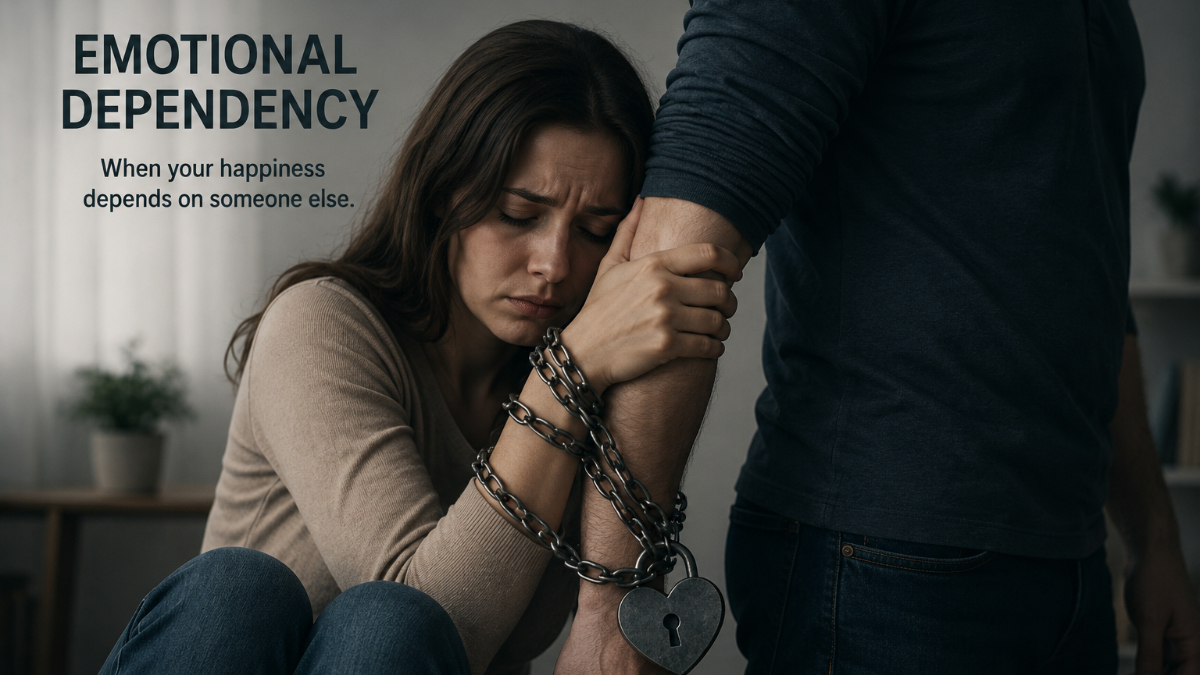
Emotional Dependency: When Love Turns Into Fear

Emotional Dependency: When Love Turns Into Fear

Article | Emotional dependency
This article explores emotional dependency and how it can affect relationships and personal well-being. It explains the psychological signs of unhealthy attachment, the fear of abandonment, and the loss of personal identity that often accompany emotional dependency. Readers will learn practical strategies to build emotional independence and healthier relationships.
Why Some People Feel Exhausted After Social Interactions

Why Some People Feel Exhausted After Social Interactions

Article | Emotions
This article investigates the causes of social exhaustion and why certain interactions can be mentally draining. It covers the influence of personality traits, social demands, and modern communication habits, while suggesting effective ways to recharge and maintain psychological well-being.
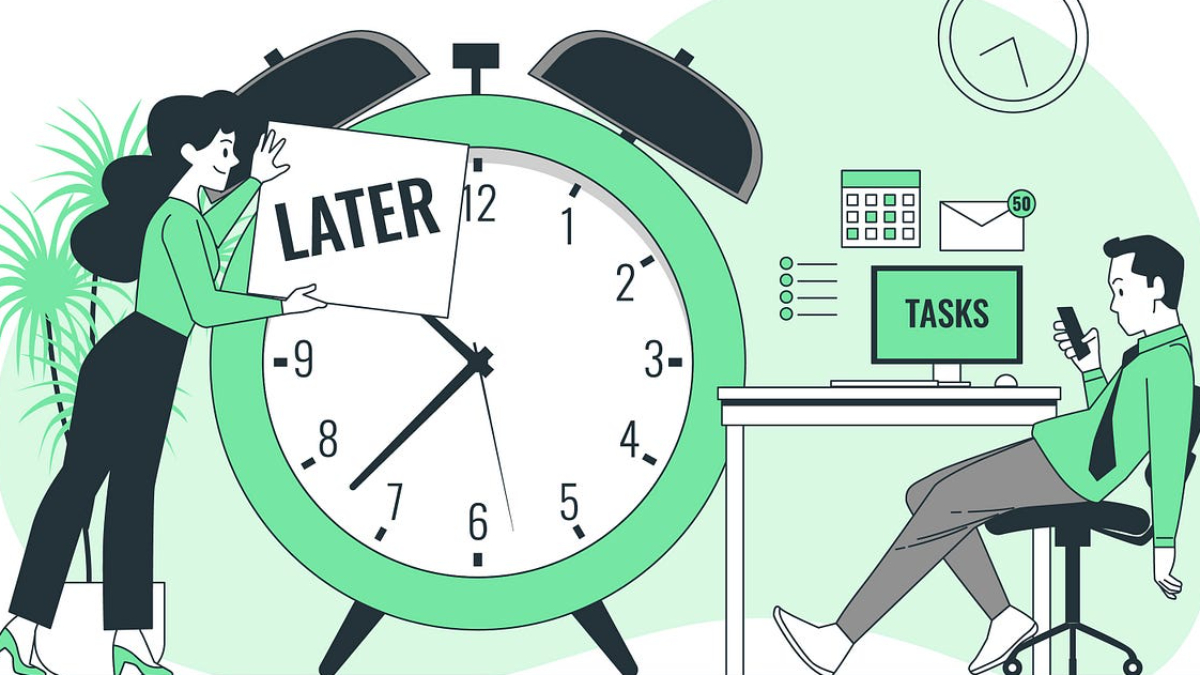
The Hidden Psychology Behind Procrastination

The Hidden Psychology Behind Procrastination

Article | Harmful habits
This article examines procrastination as an emotional regulation issue rather than a sign of laziness. It discusses the roles of anxiety, perfectionism, and instant gratification in delaying tasks, and provides evidence-based techniques to overcome procrastination and improve productivity.
Why Your Brain Replays Embarrassing Moments for Years

Why Your Brain Replays Embarrassing Moments for Years

Article | Trauma
This article explores why embarrassing memories can stay with us for years. It explains the psychological mechanisms behind the spotlight effect, emotional memory, and self-criticism, while offering practical strategies to reduce the impact of past mistakes and develop greater self-compassion.
The Psychology of Plastic Surgery: Why One Procedure Is Never Enough

The Psychology of Plastic Surgery: Why One Procedure Is Never Enough

Article | Self-acceptance
Most people assume plastic surgery is about aesthetics. But what if the real reason runs much deeper — back to childhood, shame, and pain the body is trying to carry? This might change how you see the mirror.
How to Remember What You Read: 5 Memory Techniques That Actually Work

How to Remember What You Read: 5 Memory Techniques That Actually Work

Article | Psychology
You spend hours reading a great book — and a month later, it's gone. Your memory isn't broken. You just never learned how to use it. Here are 5 science-backed steps that finally make reading stick.
How to Build Self-Discipline You Actually Enjoy: The Psychology of Lasting Motivation

How to Build Self-Discipline You Actually Enjoy: The Psychology of Lasting Motivation

Article | Goal setting
Most people treat discipline like a punishment. But what if the science says it's actually a shortcut to happiness? Here's what researchers found — and 5 steps to build discipline that feels good.
Integrity in Recovery: Becoming Someone You Can Trust

Integrity in Recovery: Becoming Someone You Can Trust

Article | Self-acceptance
Integrity in recovery is about becoming someone you can trust again. It starts with self-honesty, which means being willing to look at your thoughts, choices, triggers, and patterns without making excuses or living in shame. Recovery gives people the chance to rebuild trust through consistent actions, accountability, and following through on commitments. Integrity is not about being perfect; it is about being honest, taking responsibility, and choosing growth even when it feels difficult. Over time, these small honest choices help a person rebuild self-respect, reconnect with their values, and create a healthier life.
Psychosomatics: When Mind and Body Speak the Same Language

Psychosomatics: When Mind and Body Speak the Same Language

Article | Psychosomatics
The stomach knots before a difficult conversation. A tension headache arrives with a looming deadline. Grief settles into the chest like a physical weight. These experiences hint at something medicine spent centuries trying to untangle: the body and mind are not separate systems but a single, integrated whole.
You need to be logged in to send messages
Login Sign up
To create your specialist profile, please log in to your account.
Login Sign up
You need to be logged in to contact us
Login Sign up
To create a new Question, please log in or create an account
Login Sign up
Share on other sites

If you are considering psychotherapy but do not know where to start, a free initial consultation is the perfect first step. It will allow you to explore your options, ask questions, and feel more confident about taking the first step towards your well-being.

It is a 30-minute, completely free meeting with a Mental Health specialist that does not obligate you to anything.

What are the benefits of a free consultation?

Who is a free consultation suitable for?

Important:

Potential benefits of a free initial consultation

During this first session: potential clients have the chance to learn more about you and your approach before agreeing to work together.

Offering a free consultation will help you build trust with the client. It shows them that you want to give them a chance to make sure you are the right person to help them before they move forward. Additionally, you should also be confident that you can support your clients and that the client has problems that you can help them cope with. Also, you can avoid any ethical difficult situations about charging a client for a session in which you choose not to proceed based on fit.

We've found that people are more likely to proceed with therapy after a free consultation, as it lowers the barrier to starting the process. Many people starting therapy are apprehensive about the unknown, even if they've had sessions before. Our culture associates a "risk-free" mindset with free offers, helping people feel more comfortable during the initial conversation with a specialist.

Another key advantage for Specialist

Specialists offering free initial consultations will be featured prominently in our upcoming advertising campaign, giving you greater visibility.


It's important to note that the initial consultation differs from a typical therapy session:

No Internet Connection It seems you’ve lost your internet connection. Please refresh your page to try again. Your message has been sent

