






All Categories
Show more

Posts about Other

How Can We Think of Psychoanalysis as an Itinerancy of Knowledge?

How Can We Think of Psychoanalysis as an Itinerancy of Knowledge?

Article | Other
Psychoanalysis is not a fixed doctrine but a living journey through knowledge, dialogue, and human experience. Drawing on Freud, Klein, Ferenczi, Winnicott, Bion, Lacan, and contemporary thinkers, this essay explores psychoanalysis as an ongoing encounter between theory, clinical practice, philosophy, literature, and art. It argues that both analyst and patient are travelers, continually transformed through the search for meaning and authentic human connection.
The New Digital Compulsions: From Tech Addiction to the Attention Economy

The New Digital Compulsions: From Tech Addiction to the Attention Economy

Article | Other

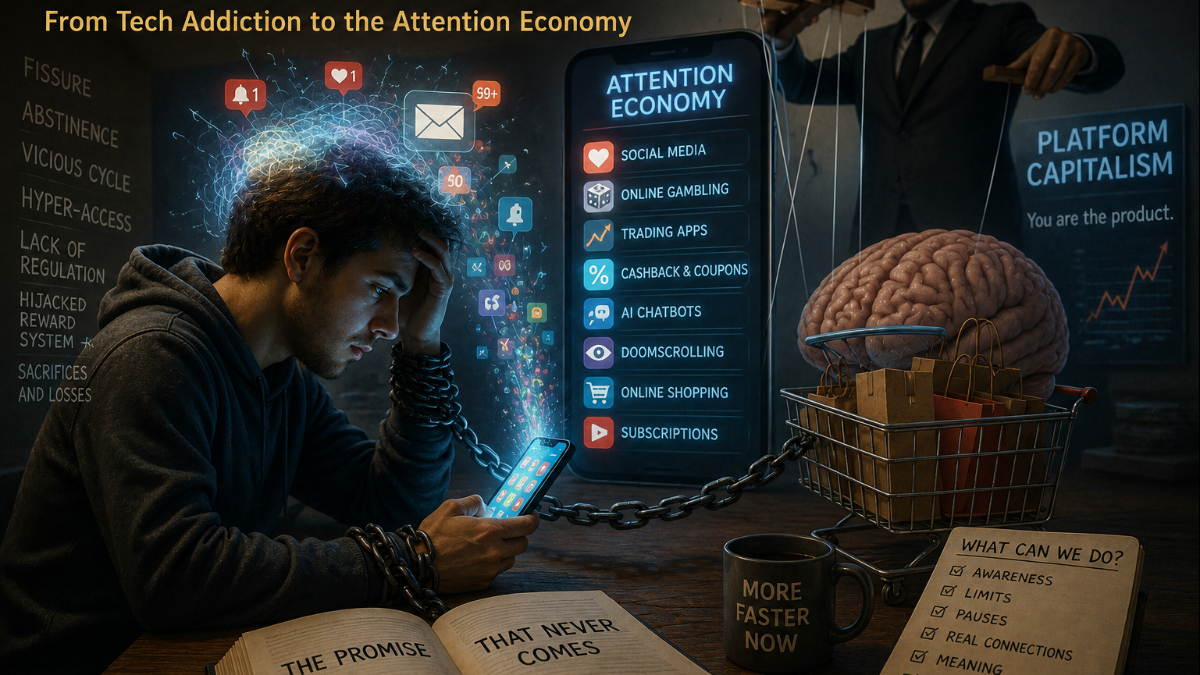
Digital compulsions are no longer confined to social media or video games. They now extend to online gambling, AI, shopping, finance apps, and endless information consumption. Drawing on psychoanalysis, this essay explores how the attention economy turns legitimate human needs into profitable cycles of dependency, while reflecting on repetition, jouissance, the death drive, and the possibility of reclaiming personal autonomy.

The Myth of Knowing Everything in Psychoanalysis

The Myth of Knowing Everything in Psychoanalysis

Article | Other
Psychoanalysis is not built on certainty but on curiosity. This article challenges the widespread belief that some analysts "know everything" and argues that true psychoanalytic practice requires humility, openness, and a willingness to remain in a position of not-knowing. Drawing on Freud, Lacan, and Bion, it explores why listening begins where certainty ends.
A Saudade: Entre a Memória, o Luto e a Esperança

A Saudade: Entre a Memória, o Luto e a Esperança

Blog | Other
A saudade é muito mais do que sentir falta. É uma presença feita de ausências, um testemunho dos vínculos que construímos e uma ponte entre a memória, o luto e a esperança. Neste ensaio, a partir de Freud, Melanie Klein, Winnicott, Byung-Chul Han e da literatura lusófona, reflito sobre a forma como a saudade nos amadurece, nos transforma e nos ensina a habitar o presente sem deixar de honrar aquilo e aqueles que amámos.
Autism in Adults. Why Does My Body Always Feel So Tense?

Autism in Adults. Why Does My Body Always Feel So Tense?

Blog | Other
Do you often feel tense, exhausted, or overwhelmed without knowing why? Many autistic adults experience autism not only through the mind but through the body. Discover how sensory overload, chronic muscle tension, and self-regulation are deeply connected and why listening to your body may be the first step toward greater well-being.
Stress vs. Burnout: A Professional Guide to the Corporate Triad

Stress vs. Burnout: A Professional Guide to the Corporate Triad

Blog | Other
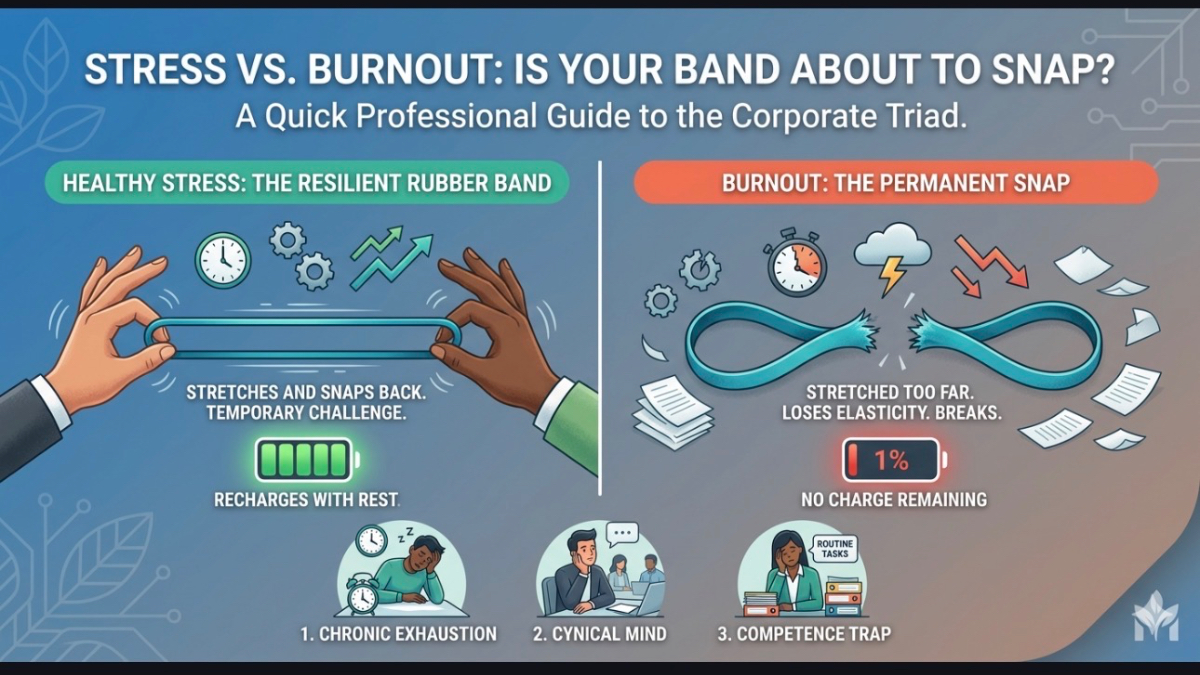
Is your professional drive pushing you toward a systemic shutdown? In her latest psychological work, clinical psychologist Salma Ashraf reveals the "Corporate Triad" of executive burnout through a powerful, everyday lens: a smartphone battery and a rubber band. This actionable guide exposes how high-achievers silently deplete their internal reserves, offering crisp Cognitive Behavioral Therapy (CBT) strategies to audit energy leaks, establish non-negotiable boundaries, and safely restore your baseline before your system snaps.
Building Trust

Building Trust

Article | Other
Trust is the foundation of any successful and strong relationship. It is the confidence we have in someone, trust is built, earned and gradual. It is sometimes painful if relationship that ought to be built on trust is experiencing distrust.
The Psychology of AI Companionship

The Psychology of AI Companionship

Article | Other
As AI becomes more human-like, people increasingly form emotional connections with technology, reshaping relationships and social behavior.
What Do You Have to Change for Successful Recovery? Everything.

What Do You Have to Change for Successful Recovery? Everything.

Article | Other
Successful recovery requires more than just stopping substance use or unhealthy behaviors. It involves changing the thoughts, habits, environments, and coping skills that kept a person stuck in survival mode. Recovery encourages people to replace negative thinking with healthier perspectives, build supportive communities, develop productive hobbies, and learn healthier ways to handle stress and emotions. It is a process of personal growth, self-discovery, and rebuilding a life that no longer needs to be escaped from.
Why Recovery? What’s in It for You?

Why Recovery? What’s in It for You?

Article | Other
Recovery is more than stopping substance use or negative habits. It is about rebuilding your life, learning who you are, and developing healthier ways to cope when life gets difficult. Everyone has their own reason for starting recovery, but the goal is often the same: to grow, heal, gain stability, rebuild trust, and create a better future. Recovery helps people gain self-awareness, confidence, independence, and the skills needed to keep moving forward one step at a time.
You need to be logged in to send messages
Login Sign up
To create your specialist profile, please log in to your account.
Login Sign up
You need to be logged in to contact us
Login Sign up
To create a new Question, please log in or create an account
Login Sign up
Share on other sites

If you are considering psychotherapy but do not know where to start, a free initial consultation is the perfect first step. It will allow you to explore your options, ask questions, and feel more confident about taking the first step towards your well-being.

It is a 30-minute, completely free meeting with a Mental Health specialist that does not obligate you to anything.

What are the benefits of a free consultation?

Who is a free consultation suitable for?

Important:

Potential benefits of a free initial consultation

During this first session: potential clients have the chance to learn more about you and your approach before agreeing to work together.

Offering a free consultation will help you build trust with the client. It shows them that you want to give them a chance to make sure you are the right person to help them before they move forward. Additionally, you should also be confident that you can support your clients and that the client has problems that you can help them cope with. Also, you can avoid any ethical difficult situations about charging a client for a session in which you choose not to proceed based on fit.

We've found that people are more likely to proceed with therapy after a free consultation, as it lowers the barrier to starting the process. Many people starting therapy are apprehensive about the unknown, even if they've had sessions before. Our culture associates a "risk-free" mindset with free offers, helping people feel more comfortable during the initial conversation with a specialist.

Another key advantage for Specialist

Specialists offering free initial consultations will be featured prominently in our upcoming advertising campaign, giving you greater visibility.


It's important to note that the initial consultation differs from a typical therapy session:

No Internet Connection It seems you’ve lost your internet connection. Please refresh your page to try again. Your message has been sent

