





All Categories
Show more

Posts about Relationship

How to Support a Loved One With Mental Illness

How to Support a Loved One With Mental Illness

Article | Relationship
Family support can influence recovery. Learn how to respond to distressing symptoms, discuss medication safely, notice warning signs, and create a calmer, more supportive home.
When a Loved One Refuses Mental Health Help: What Can You Do?

When a Loved One Refuses Mental Health Help: What Can You Do?

Article | Relationship
What should you do when a loved one becomes suicidal, aggressive, severely confused, or refuses psychiatric care? Learn when to seek voluntary help, contact 988, call 911, or request an emergency evaluation.
What Your Guilt Is Really Trying to Tell You About Boundaries

What Your Guilt Is Really Trying to Tell You About Boundaries

Article | Relationship
Many people assume guilt is a sign they've done something wrong. But what if guilt isn't proof that you're making a mistake? What if it's simply a sign that you're finally doing something differently?
Meditation vs. Reality: Are You Healing Your Mind or Escaping It?

Meditation vs. Reality: Are You Healing Your Mind or Escaping It?

Blog | Relationship

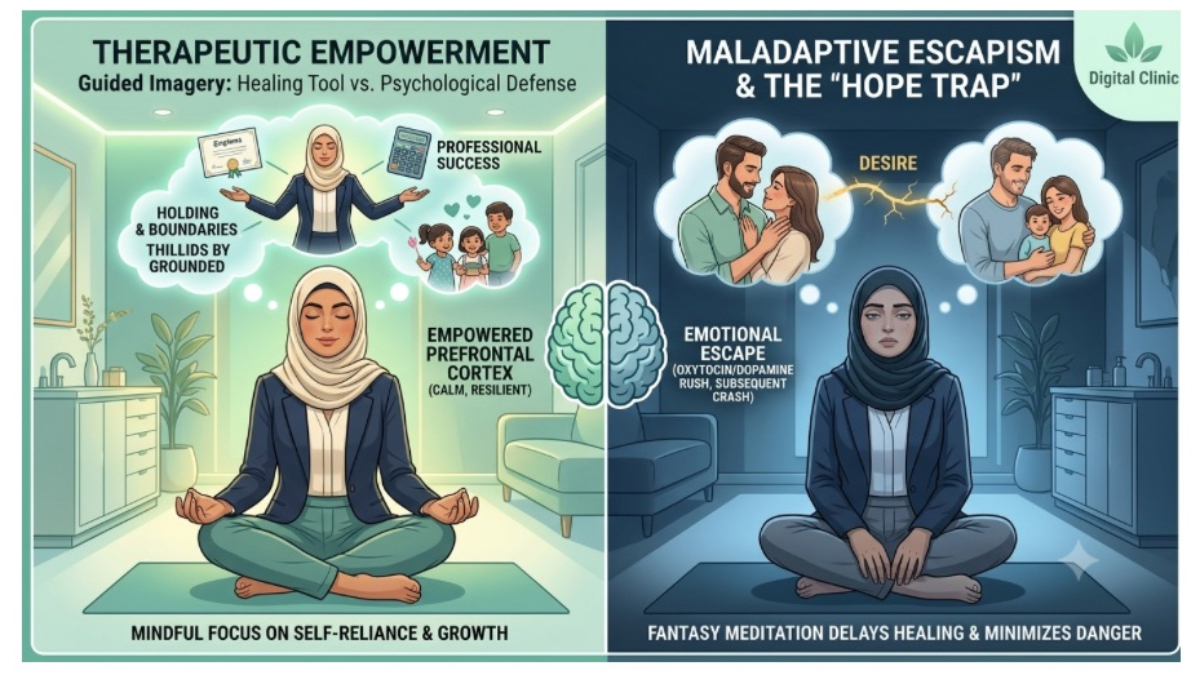
In the mental health community, visualization and meditation are widely praised as powerful tools for emotional regulation. However, there is a fine clinical line between therapeutic imagery and maladaptive escapism. When we use imagination to construct a reality that completely contradicts our painful daily life, we risk creating a "hope trap" that deepens our trauma. True psychological healing requires us to balance mindfulness with radical acceptance of our current reality.


Is It Normal to Feel Attracted to Someone Else?

Is It Normal to Feel Attracted to Someone Else?

Article | Relationship
Many people think that if they truly love their partner, they will never feel attracted to anyone else. But the truth is, attraction is a normal part of being human. Sometimes, we are attracted to someone because they make us feel noticed, appreciated, or understood. This does not always mean we want to leave our relationship. It may simply show that we have emotional needs that are not being met.
How to Recognize Toxic People Before You Lose Yourself

How to Recognize Toxic People Before You Lose Yourself

Article | Relationship
Toxic people rarely break your confidence all at once. They slowly make you doubt yourself, explain their behavior, and ignore your own feelings. This article shows how self-respect begins to return through clear personal boundaries.
How Setting Boundaries Makes You More Valuable in Relationships

How Setting Boundaries Makes You More Valuable in Relationships

Blog | Relationship
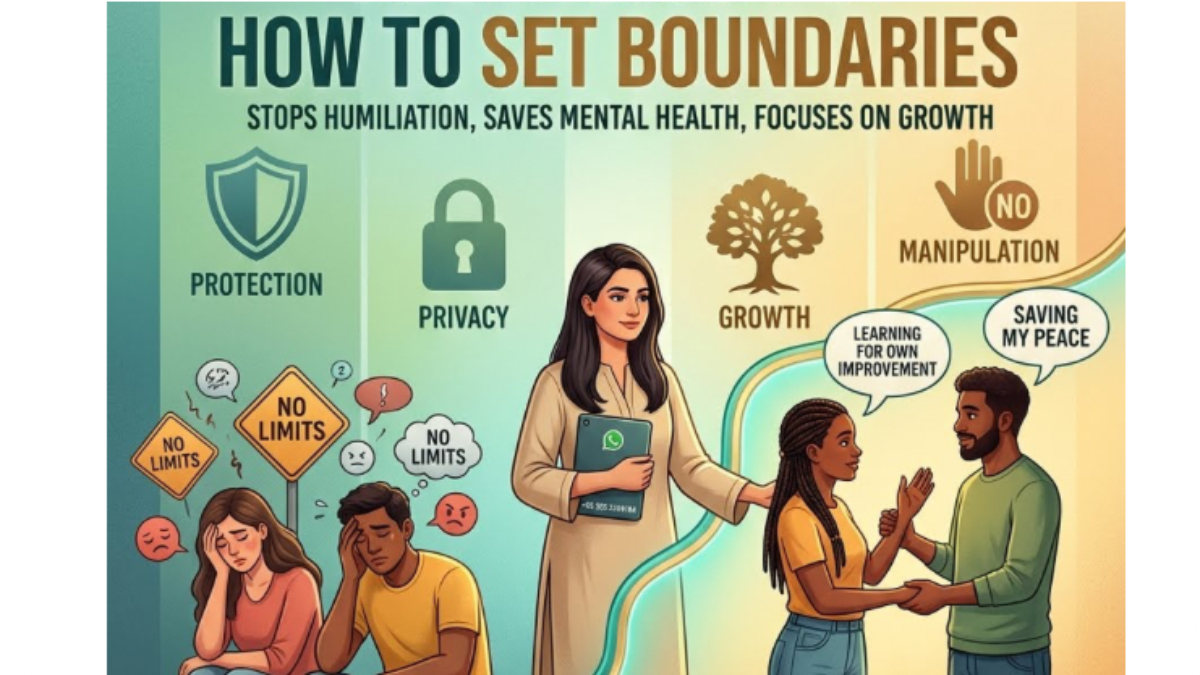
Setting relationship boundaries stops others from treating you poorly, protects your peace, and gives you the personal space you need to grow. When you teach people how to treat you, they respect your time and see you as a high-value individual.
How to Be a More Emotionally Mature Person in Relationships

How to Be a More Emotionally Mature Person in Relationships

Article | Relationship
Stress can quietly change the way we speak, react, and love. This article explains how emotional maturity helps us stop blaming others, manage our feelings, and protect the relationships that truly matter.
Red Flags in Relationships: Signs You Shouldn't Ignore

Red Flags in Relationships: Signs You Shouldn't Ignore

Blog | Relationship
Every relationship has disagreements and challenges. However, some patterns can indicate deeper concerns that may affect your emotional well-being.
Why Do We Keep Falling Into the Same Kind of Relationships?

Why Do We Keep Falling Into the Same Kind of Relationships?

Article | Relationship
Have you ever found yourself saying, “Here we go again” or “Why do I always end up with the same type of person?” If certain relationship patterns seem to repeat themselves throughout your life, it may not simply be bad luck. Psychology suggests that we often recreate familiar emotional dynamics, even when they cause us pain.
You need to be logged in to send messages
Login Sign up
To create your specialist profile, please log in to your account.
Login Sign up
You need to be logged in to contact us
Login Sign up
To create a new Question, please log in or create an account
Login Sign up
Share on other sites

If you are considering psychotherapy but do not know where to start, a free initial consultation is the perfect first step. It will allow you to explore your options, ask questions, and feel more confident about taking the first step towards your well-being.

It is a 30-minute, completely free meeting with a Mental Health specialist that does not obligate you to anything.

What are the benefits of a free consultation?

Who is a free consultation suitable for?

Important:

Potential benefits of a free initial consultation

During this first session: potential clients have the chance to learn more about you and your approach before agreeing to work together.

Offering a free consultation will help you build trust with the client. It shows them that you want to give them a chance to make sure you are the right person to help them before they move forward. Additionally, you should also be confident that you can support your clients and that the client has problems that you can help them cope with. Also, you can avoid any ethical difficult situations about charging a client for a session in which you choose not to proceed based on fit.

We've found that people are more likely to proceed with therapy after a free consultation, as it lowers the barrier to starting the process. Many people starting therapy are apprehensive about the unknown, even if they've had sessions before. Our culture associates a "risk-free" mindset with free offers, helping people feel more comfortable during the initial conversation with a specialist.

Another key advantage for Specialist

Specialists offering free initial consultations will be featured prominently in our upcoming advertising campaign, giving you greater visibility.


It's important to note that the initial consultation differs from a typical therapy session:

No Internet Connection It seems you’ve lost your internet connection. Please refresh your page to try again. Your message has been sent