


All Categories
Show more

Posts

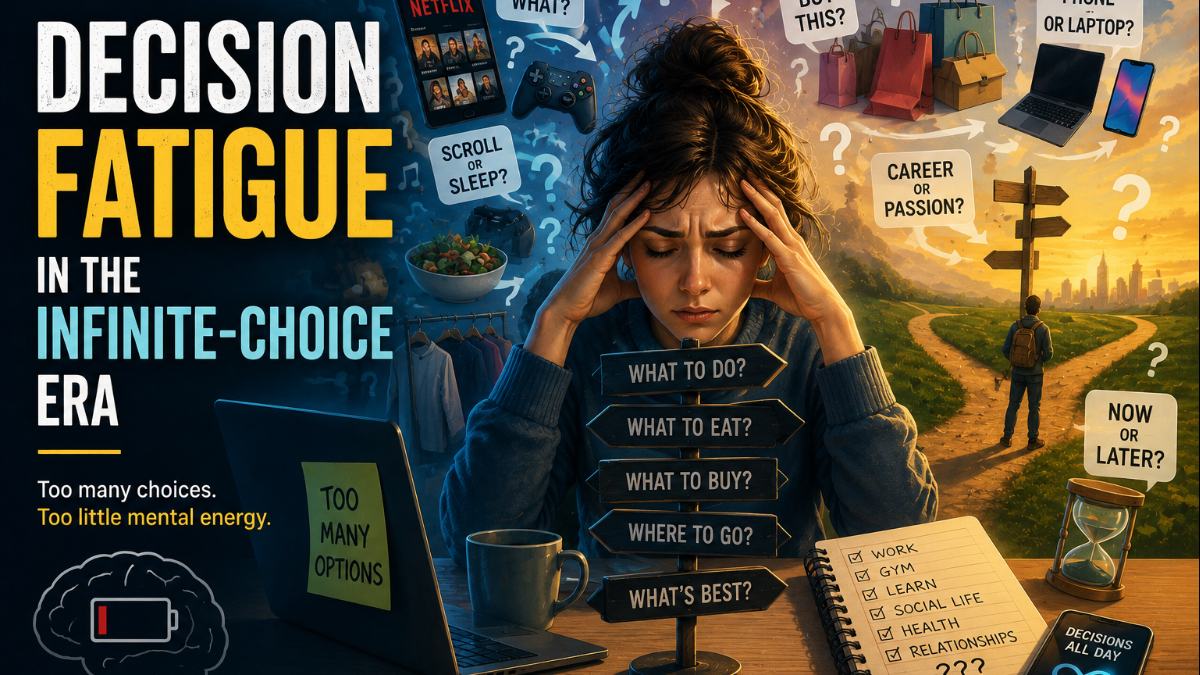
Decision Fatigue in the Infinite-Choice Era

Decision Fatigue in the Infinite-Choice Era

Article | Goal setting
Excessive daily choices mentally exhaust individuals, reducing motivation, emotional regulation, productivity, and satisfaction with personal decisions and lifestyles.
Digital Nostalgia: Why People Emotionally Escape Into the Past

Digital Nostalgia: Why People Emotionally Escape Into the Past

Article | Emotions
People increasingly use nostalgic memories and retro culture to psychologically cope with uncertainty, stress, emotional exhaustion, and rapid societal change.
Why Uncertainty Triggers Anxiety and What You Can Do About It

Why Uncertainty Triggers Anxiety and What You Can Do About It

Article | Neuroses, emotional disorders
Your brain was built to predict — so when life becomes unpredictable, everything feels harder. Here's the real science behind why uncertainty drains you, and where to start feeling steady again.
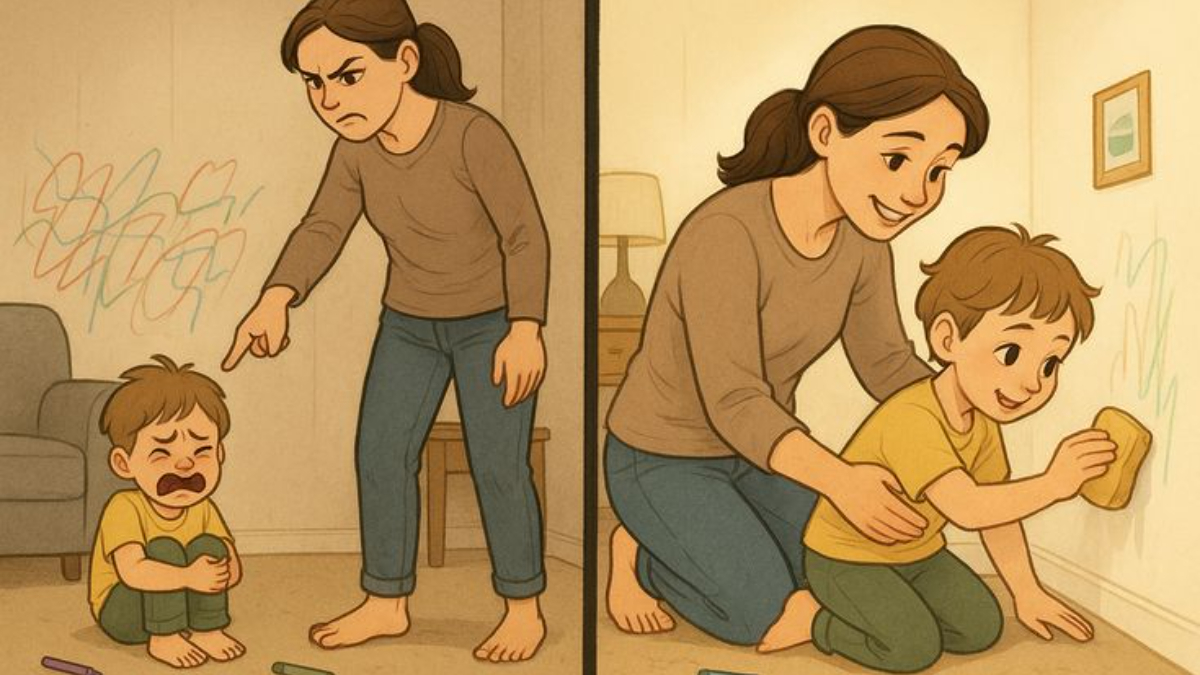
Children Are Not Extensions of Parental Ego

Children Are Not Extensions of Parental Ego

Article | Child psychology
Unconditional love is often spoken about, yet rarely practiced in its truest form. Real unconditional love means allowing children the freedom to discover who they are, instead of molding them into who we want them to become. It means supporting their individuality even when it looks different from our expectations. It means recognizing that happiness cannot be forced through pressure, comparison, or control.
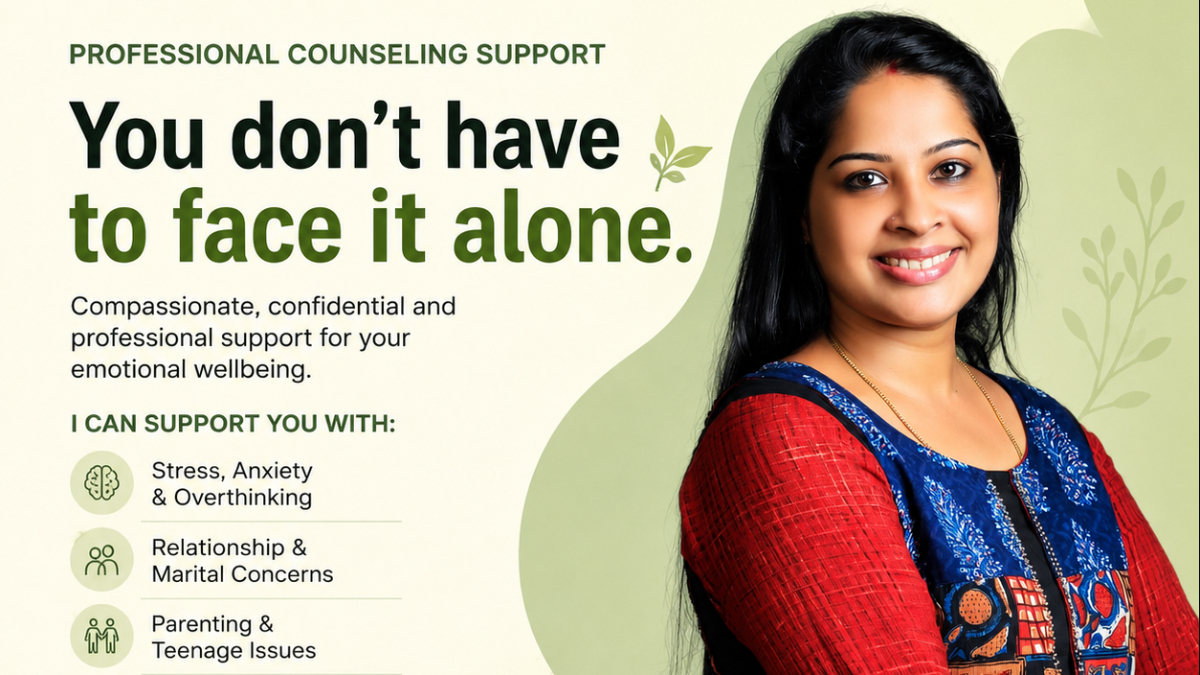
Meet Your Counselling Psychologist

Meet Your Counselling Psychologist

Article | Other
Hello, I’m Gunjan Shrivastav. Supporting Mental Wellness with Compassion
Idealization and Devaluation: Why We Set People Up to Fail

Idealization and Devaluation: Why We Set People Up to Fail

Blog | Relationship
We build people up in our minds — then feel betrayed when reality shows up. The idealization-devaluation cycle is more common than you think, and it's silently shaping your closest relationships.
Signs You Need Emotional Support

Signs You Need Emotional Support

Article | Life
Professional emotional support can help you move forward with greater clarity, confidence, and peace.
Mental Health After Trauma: Why Not Everyone Gets PTSD — and What Actually Helps

Mental Health After Trauma: Why Not Everyone Gets PTSD — and What Actually Helps

Article | Trauma
Most people exposed to war don't develop PTSD — but that's not what you hear. Here's what the science actually says about trauma, resilience, and who really needs help.
Why You Never Feel Satisfied No Matter How Much You Achieve — And How to Fix It

Why You Never Feel Satisfied No Matter How Much You Achieve — And How to Fix It

Article | Self-care
More done, more goals, more pressure — but never enough. If you can't remember the last time you felt genuinely proud of yourself, this is worth reading.
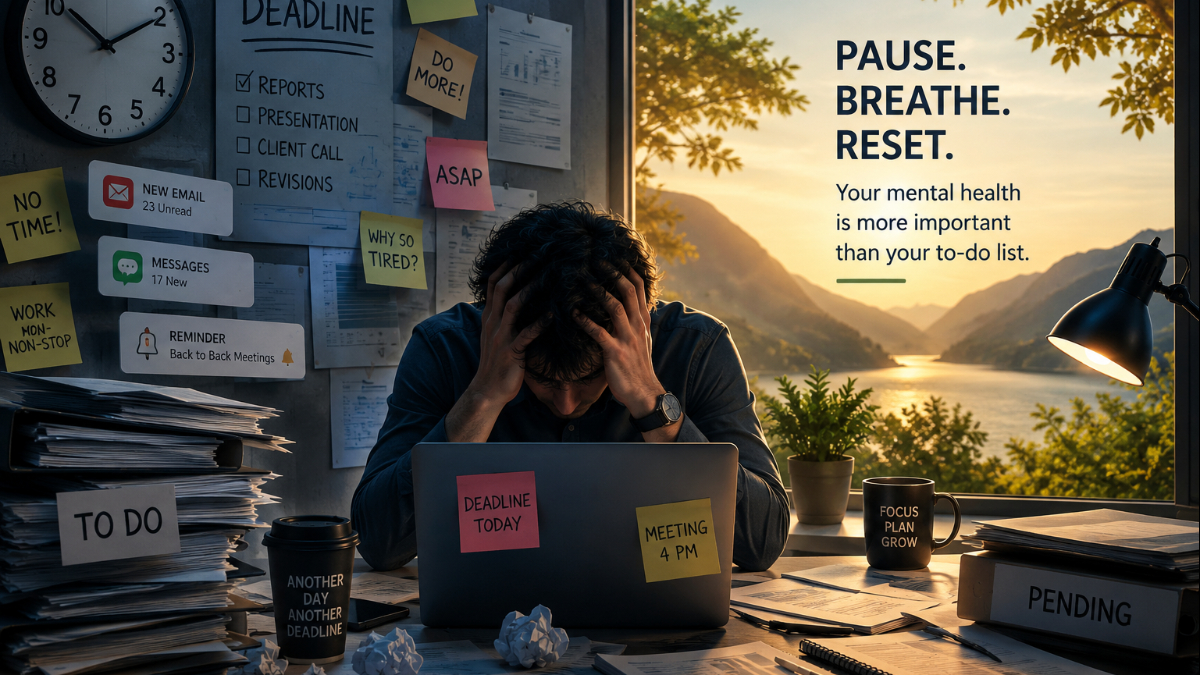
“Always Busy, Always Tired”: The Silent Burnout Crisis at Work

“Always Busy, Always Tired”: The Silent Burnout Crisis at Work

Article | Burnout
Success loses meaning when mental and physical health are constantly sacrificed for it. A person is not a machine designed for nonstop productivity. Humans need rest, connection, purpose, and emotional safety.
You need to be logged in to send messages
Login Sign up
To create your specialist profile, please log in to your account.
Login Sign up
You need to be logged in to contact us
Login Sign up
To create a new Question, please log in or create an account
Login Sign up
Share on other sites

If you are considering psychotherapy but do not know where to start, a free initial consultation is the perfect first step. It will allow you to explore your options, ask questions, and feel more confident about taking the first step towards your well-being.

It is a 30-minute, completely free meeting with a Mental Health specialist that does not obligate you to anything.

What are the benefits of a free consultation?

Who is a free consultation suitable for?

Important:

Potential benefits of a free initial consultation

During this first session: potential clients have the chance to learn more about you and your approach before agreeing to work together.

Offering a free consultation will help you build trust with the client. It shows them that you want to give them a chance to make sure you are the right person to help them before they move forward. Additionally, you should also be confident that you can support your clients and that the client has problems that you can help them cope with. Also, you can avoid any ethical difficult situations about charging a client for a session in which you choose not to proceed based on fit.

We've found that people are more likely to proceed with therapy after a free consultation, as it lowers the barrier to starting the process. Many people starting therapy are apprehensive about the unknown, even if they've had sessions before. Our culture associates a "risk-free" mindset with free offers, helping people feel more comfortable during the initial conversation with a specialist.

Another key advantage for Specialist

Specialists offering free initial consultations will be featured prominently in our upcoming advertising campaign, giving you greater visibility.


It's important to note that the initial consultation differs from a typical therapy session:

No Internet Connection It seems you’ve lost your internet connection. Please refresh your page to try again. Your message has been sent

