


All Categories
Show more

Posts

Emotional Regulation Begins With Acceptance

Emotional Regulation Begins With Acceptance

Article | Emotions
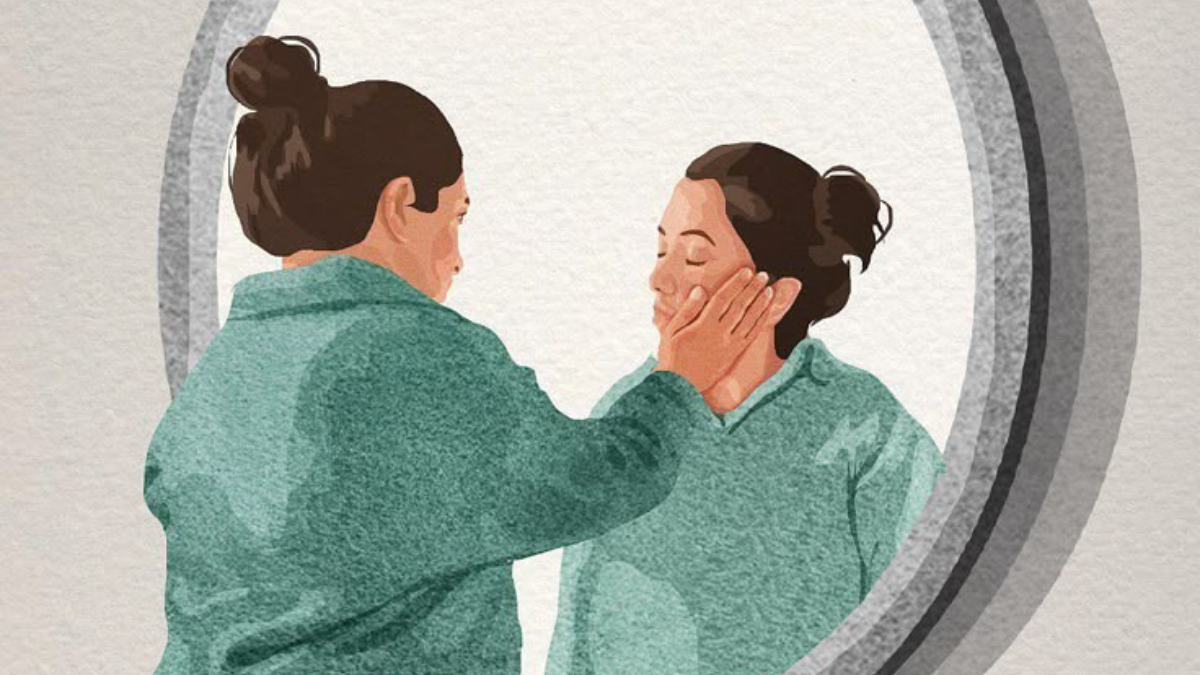
Emotional regulation begins with acceptance. Turn inward, meet yourself where you are. Whatever arises—anger, jealousy, guilt, regret, sorrow, or joy—let it come without resistance. These emotions are not enemies; they are messengers asking to be seen. In this sacred inner space, nothing is wrong and nothing is rejected. When you release the habit of labeling emotions as good or bad, they begin to loosen their grip. Awareness replaces resistance, compassion replaces struggle, and healing unfolds.
Why Modern Minds Struggle With Silence

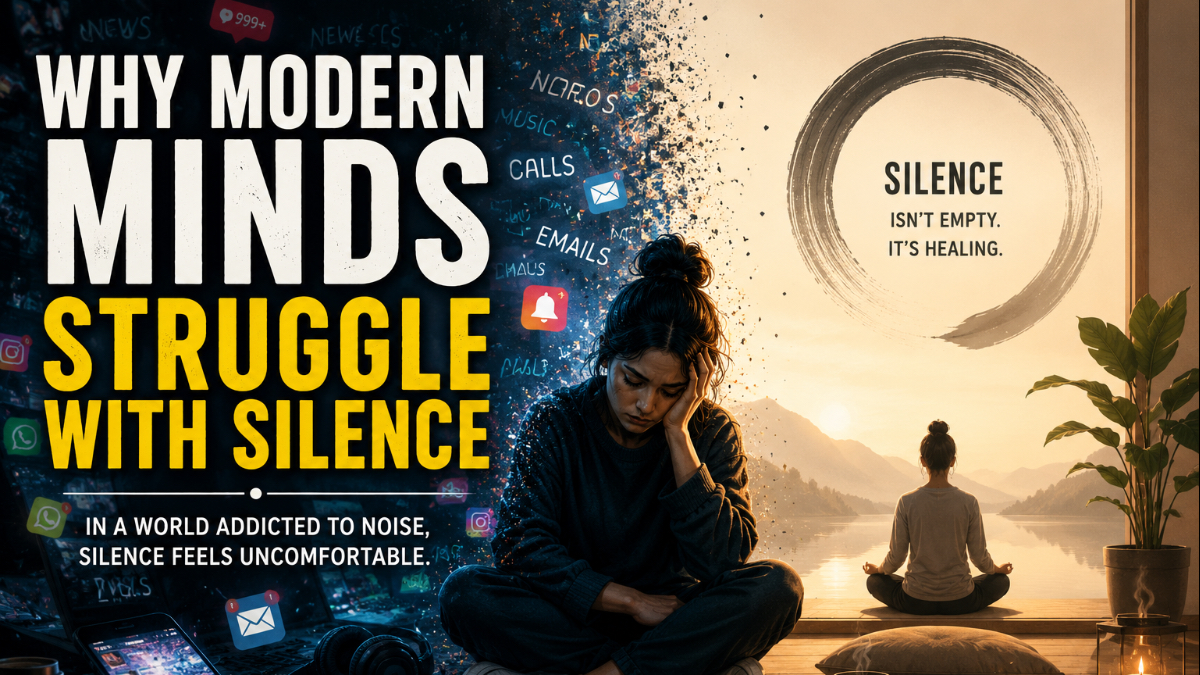
Why Modern Minds Struggle With Silence

Article | Adolescent psychology
Constant stimulation has reduced people’s comfort with silence, making stillness feel emotionally uncomfortable instead of psychologically restorative.
The Fear of Being Truly Seen

The Fear of Being Truly Seen

Article | Other
Many people crave connection yet unconsciously hide their authentic selves due to fear of judgment, rejection, or emotional vulnerability.
Couples Therapy Insight: Your Differences Are Not the Problem

Couples Therapy Insight: Your Differences Are Not the Problem

Article | Man and woman relationship
What if everything you thought about compatibility was wrong? A core couples therapy insight reveals that the healthiest partnerships aren't built on sameness — they're built on two people who stayed themselves.
Couples Communication Problems: The Negative Bias That's Pushing Your Partner Away

Couples Communication Problems: The Negative Bias That's Pushing Your Partner Away

Article | Man and woman relationship
Research shows it takes 4–5 positive moments to cancel out one criticism. Most couples have it backwards. Discover the simple habit shift that makes people actually want to try harder.
Why Tiny Daily Rituals Are Becoming More Important Than Big Goals

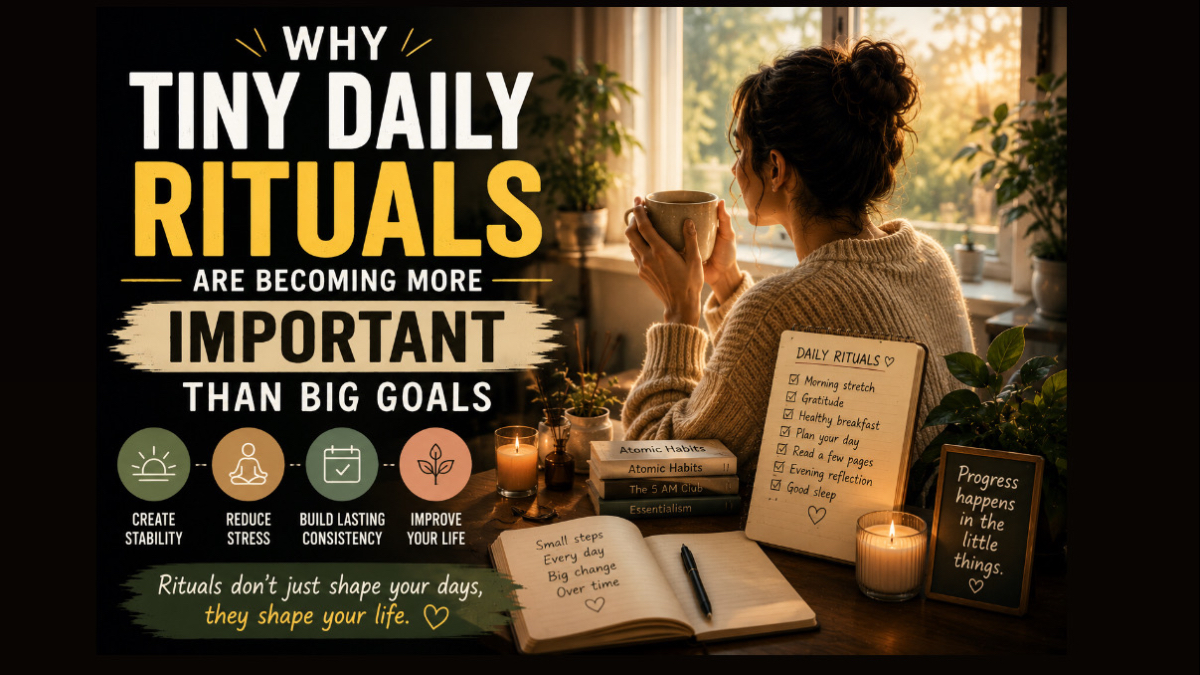
Why Tiny Daily Rituals Are Becoming More Important Than Big Goals

Article | Goal setting
Small consistent rituals increasingly provide stability, comfort, motivation, and emotional grounding in uncertain, fast-changing modern lifestyles and environments.
The Rise of Solo Experiences: Why People Enjoy Doing Things Alone

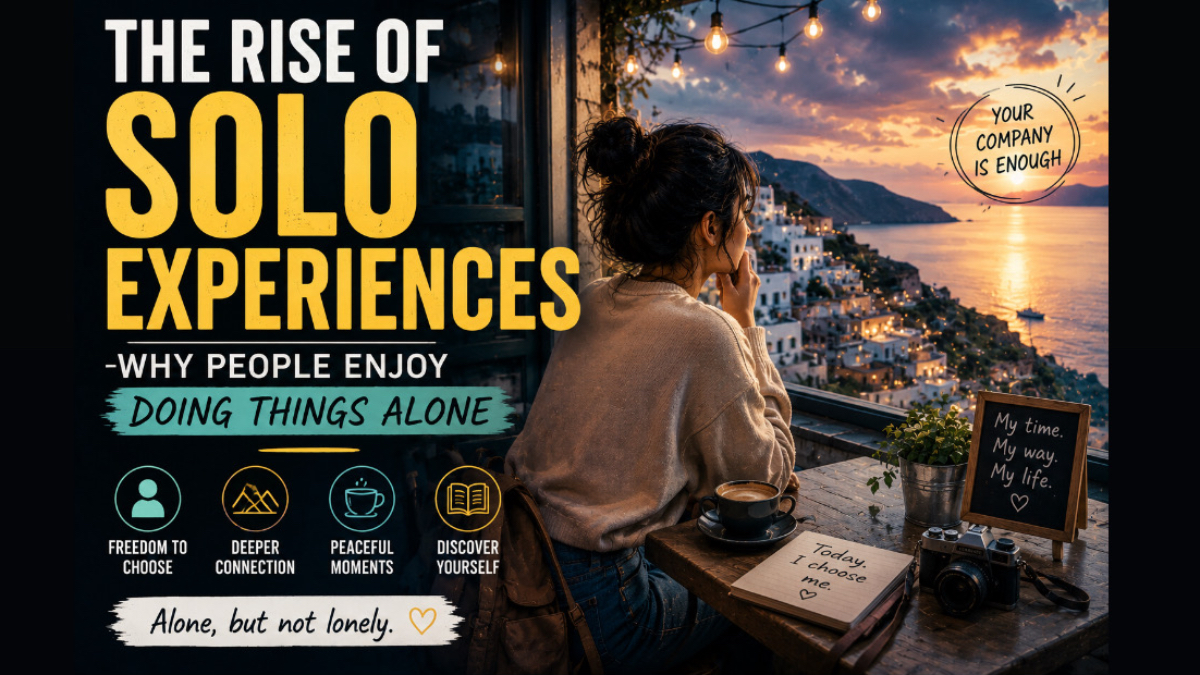
The Rise of Solo Experiences: Why People Enjoy Doing Things Alone

Article | Self-care
More individuals are embracing solo travel, dining, and hobbies as empowering experiences for independence, reflection, and personal fulfillment today.
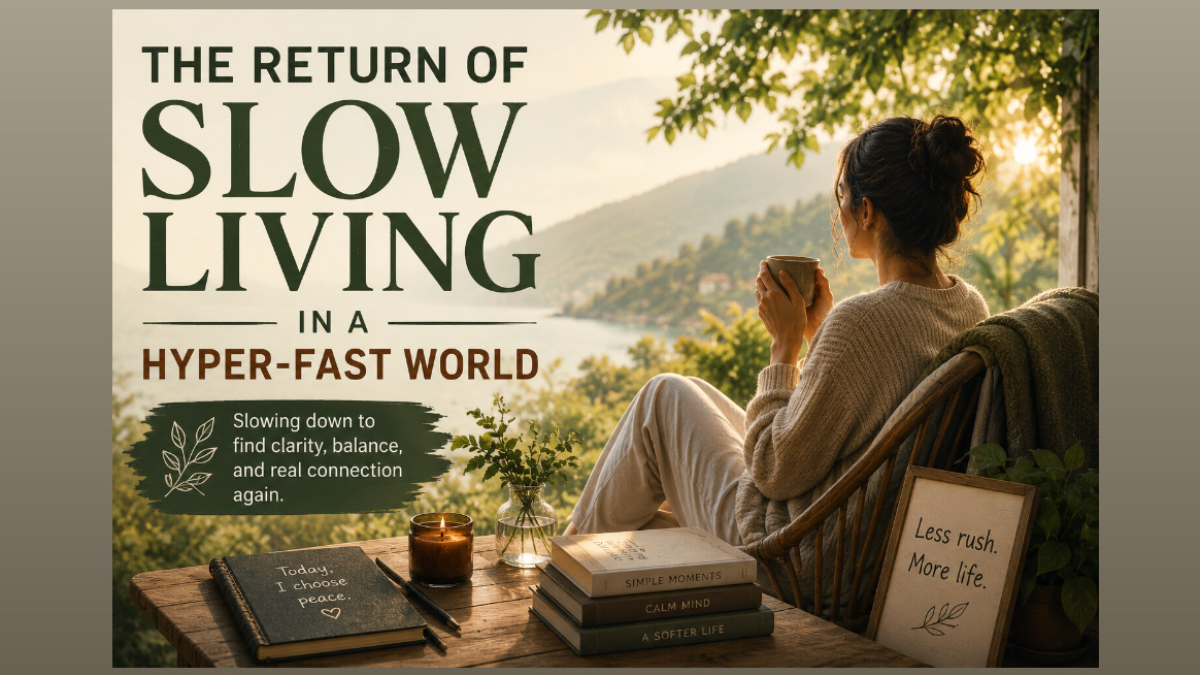
The Return of Slow Living in a Hyper-Fast World

The Return of Slow Living in a Hyper-Fast World

Article | Life
People are intentionally slowing daily life to restore emotional balance, deepen experiences, and escape constant productivity-driven exhaustion and overstimulation.
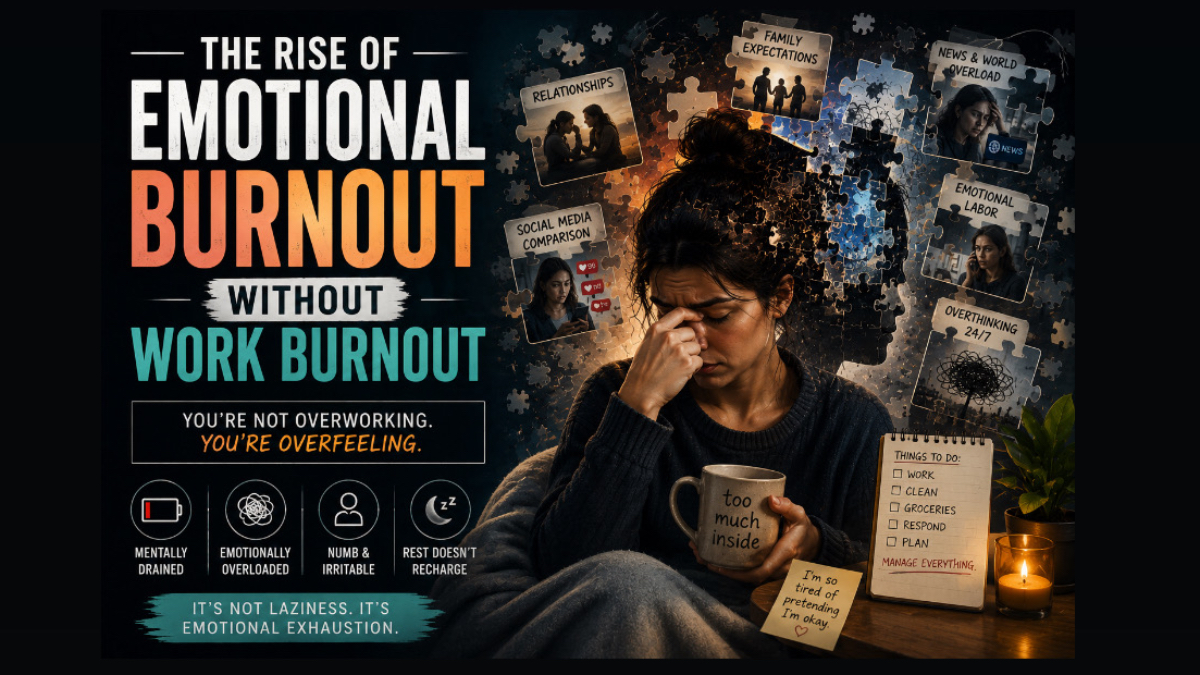
The Rise of Emotional Burnout Without Work Burnout

The Rise of Emotional Burnout Without Work Burnout

Article | Burnout
People increasingly experience emotional exhaustion from constant emotional processing, even without excessive workload or traditional occupational stress factors.
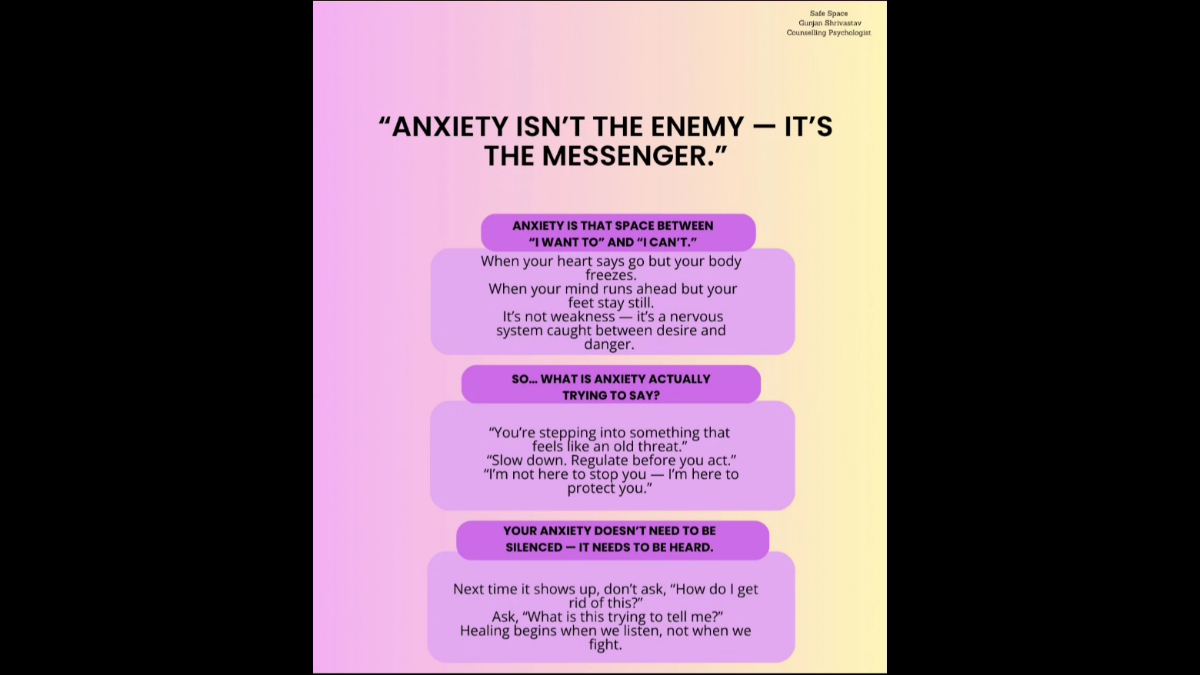
Anxiety Isn’t the Enemy — It’s the Messenger

Anxiety Isn’t the Enemy — It’s the Messenger

Article | Emotions
Anxiety is often seen as something to fight or eliminate, but it may actually be the nervous system’s way of communicating fear, overwhelm, or unresolved emotional experiences. It exists in the space between wanting to move forward and feeling unsafe doing so. Instead of silencing anxiety, healing begins when we listen to what it is trying to tell us with curiosity, compassion, and self-awareness.
You need to be logged in to send messages
Login Sign up
To create your specialist profile, please log in to your account.
Login Sign up
You need to be logged in to contact us
Login Sign up
To create a new Question, please log in or create an account
Login Sign up
Share on other sites

If you are considering psychotherapy but do not know where to start, a free initial consultation is the perfect first step. It will allow you to explore your options, ask questions, and feel more confident about taking the first step towards your well-being.

It is a 30-minute, completely free meeting with a Mental Health specialist that does not obligate you to anything.

What are the benefits of a free consultation?

Who is a free consultation suitable for?

Important:

Potential benefits of a free initial consultation

During this first session: potential clients have the chance to learn more about you and your approach before agreeing to work together.

Offering a free consultation will help you build trust with the client. It shows them that you want to give them a chance to make sure you are the right person to help them before they move forward. Additionally, you should also be confident that you can support your clients and that the client has problems that you can help them cope with. Also, you can avoid any ethical difficult situations about charging a client for a session in which you choose not to proceed based on fit.

We've found that people are more likely to proceed with therapy after a free consultation, as it lowers the barrier to starting the process. Many people starting therapy are apprehensive about the unknown, even if they've had sessions before. Our culture associates a "risk-free" mindset with free offers, helping people feel more comfortable during the initial conversation with a specialist.

Another key advantage for Specialist

Specialists offering free initial consultations will be featured prominently in our upcoming advertising campaign, giving you greater visibility.


It's important to note that the initial consultation differs from a typical therapy session:

No Internet Connection It seems you’ve lost your internet connection. Please refresh your page to try again. Your message has been sent

