








All Categories
Show more

Posts about Conflicts

The Energy Vampire Survival Guide: Garlic Is Optional

The Energy Vampire Survival Guide: Garlic Is Optional

Article | Conflicts
We've all met them. The person who leaves you feeling emotionally exhausted after every conversation. The colleague whose negativity fills every meeting. The friend who only calls when life is falling apart. The family member who can turn a happy occasion into an emotional marathon. They're often called "energy vampires"—not because they're bad people, but because every interaction seems to leave you with less energy than you started with.
The Office Battleground: How to Resolve Everyday Conflicts Without Losing Your Peace

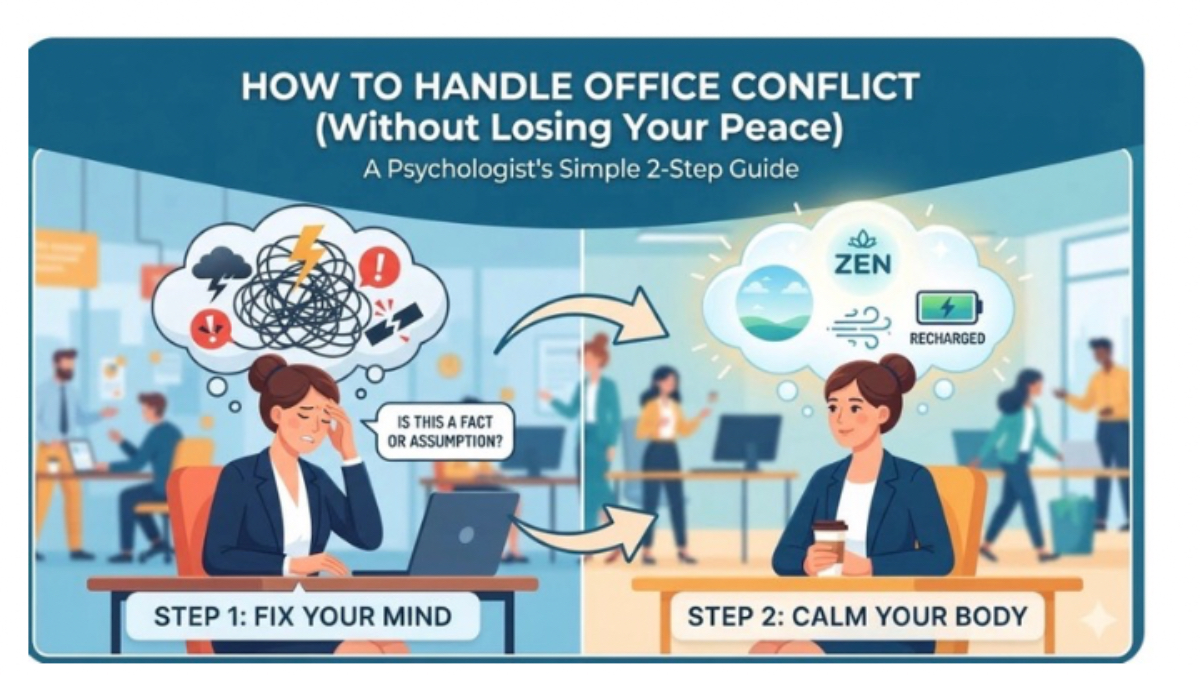
The Office Battleground: How to Resolve Everyday Conflicts Without Losing Your Peace

Blog | Conflicts
Office conflict drains your energy and ruins your peace. In this post, as a clinical psychologist I share a simple two-step guide using everyday mental and physical tools to help you survive workplace stress and protect your well-being.
Some Hills Aren't Worth Dying On... But Try Telling Them That!

Some Hills Aren't Worth Dying On... But Try Telling Them That!

Article | Conflicts
Few things are more frustrating than trying to have an honest conversation with someone who refuses to admit they've made a mistake. Whether it's a spouse, friend, colleague, or family member, constantly dealing with blame, excuses, or denial can leave you feeling unheard and emotionally drained.
Be the Fonzie in the Room: Staying Cool When Others Aren't

Be the Fonzie in the Room: Staying Cool When Others Aren't

Article | Conflicts
Most people experience stress, frustration, fear, and disappointment; however, some individuals struggle to regulate their emotions consistently, leading to reactions that seem disproportionate to the situation. They may become angry quickly, shut down unexpectedly, lash out verbally, or swing between emotional extremes. Relationships with emotionally dysregulated people can be challenging, exhausting, and confusing.
Workplace Conflicts: Understanding and Managing Tension at Work

Workplace Conflicts: Understanding and Managing Tension at Work

Article | Conflicts
This article explores the psychological causes of workplace conflicts and their impact on employees' well-being and productivity. It examines common sources of tension, communication problems, and personality differences, while offering practical strategies for managing disagreements and creating a healthier work environment.
Understanding the Roots of Conflict

Understanding the Roots of Conflict

Article | Conflicts
Conflict rarely begins with the surface issue, it is rooted in unmet needs, attachment patterns, cognitive biases, and emotional triggers. When we understand these psychological foundations, disagreements shift from blame to insight. By improving emotional regulation and communication, conflict can become a powerful opportunity for growth, clarity, and stronger relationships.
Conflict: The Thing Most People Run From

Conflict: The Thing Most People Run From

Article | Conflicts
Conflict is often avoided because it feels uncomfortable, but unresolved tension can quietly damage relationships over time. Many conflicts grow from small moments that go unaddressed until frustration accumulates.
Emotional Dependency: When Your Peace Lives in Someone Else’s Hands

Emotional Dependency: When Your Peace Lives in Someone Else’s Hands

Article | Conflicts
Emotional dependency occurs when a person’s emotional stability becomes tied to another person’s attention, approval, or behavior. While it often begins as a natural desire for closeness, it can gradually lead to insecurity and loss of inner balance.
Family & Marriage Conflicts: In-Law Conflicts and Cultural Expectations

Family & Marriage Conflicts: In-Law Conflicts and Cultural Expectations

Article | Conflicts
Recognizing the cultural context, prioritizing emotional health, and developing healthy communication patterns can help couples create a balanced and respectful family environment.
The Psychology of Conflict: Why We Clash and What It Reveals About Us

The Psychology of Conflict: Why We Clash and What It Reveals About Us

Blog | Conflicts

Conflict isn’t just noise, it’s communication in disguise. The question isn’t whether we’ll face conflict (we will), but whether we’ll use it to grow or let it break connection.

You need to be logged in to send messages
Login Sign up
To create your specialist profile, please log in to your account.
Login Sign up
You need to be logged in to contact us
Login Sign up
To create a new Question, please log in or create an account
Login Sign up
Share on other sites

If you are considering psychotherapy but do not know where to start, a free initial consultation is the perfect first step. It will allow you to explore your options, ask questions, and feel more confident about taking the first step towards your well-being.

It is a 30-minute, completely free meeting with a Mental Health specialist that does not obligate you to anything.

What are the benefits of a free consultation?

Who is a free consultation suitable for?

Important:

Potential benefits of a free initial consultation

During this first session: potential clients have the chance to learn more about you and your approach before agreeing to work together.

Offering a free consultation will help you build trust with the client. It shows them that you want to give them a chance to make sure you are the right person to help them before they move forward. Additionally, you should also be confident that you can support your clients and that the client has problems that you can help them cope with. Also, you can avoid any ethical difficult situations about charging a client for a session in which you choose not to proceed based on fit.

We've found that people are more likely to proceed with therapy after a free consultation, as it lowers the barrier to starting the process. Many people starting therapy are apprehensive about the unknown, even if they've had sessions before. Our culture associates a "risk-free" mindset with free offers, helping people feel more comfortable during the initial conversation with a specialist.

Another key advantage for Specialist

Specialists offering free initial consultations will be featured prominently in our upcoming advertising campaign, giving you greater visibility.


It's important to note that the initial consultation differs from a typical therapy session:

No Internet Connection It seems you’ve lost your internet connection. Please refresh your page to try again. Your message has been sent

