





All Categories
Show more

Posts about Other

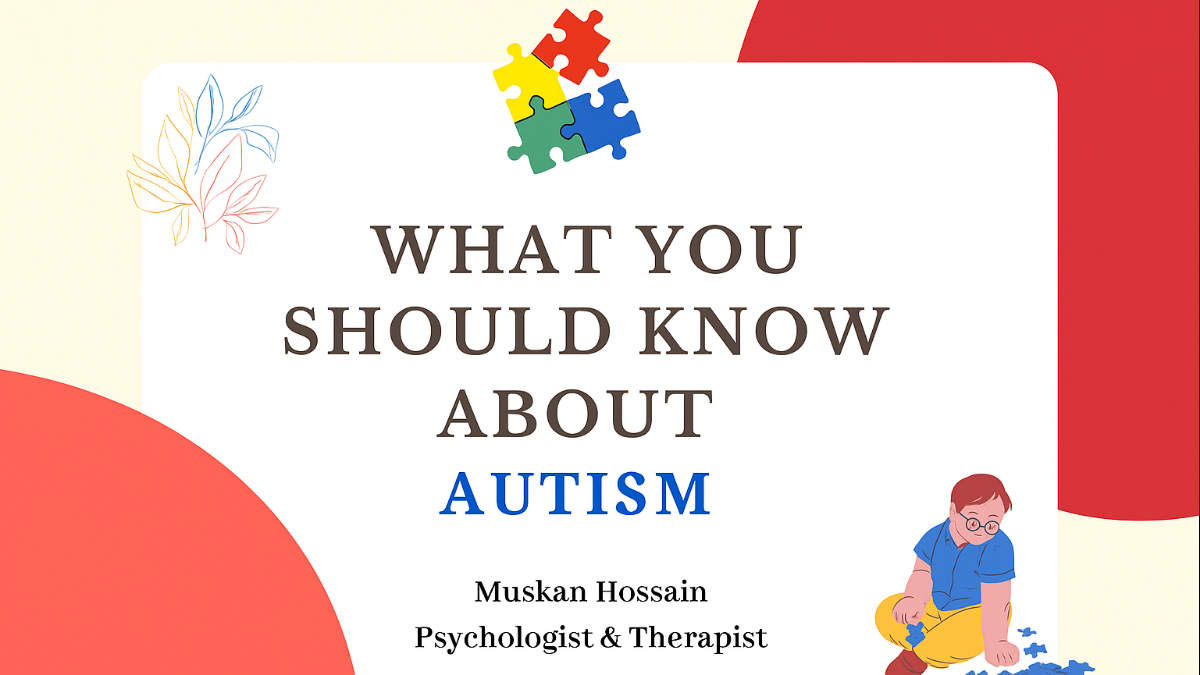
How Psychoanalysis Approaches Autism

How Psychoanalysis Approaches Autism

Article | Other

How Psychoanalysis Approaches Autism

Autism Spectrum Disorder (ASD) is a complex neurodevelopmental condition that affects communication, social interaction, and behavior. While modern interventions often focus on behavioral therapies (like ABA) and neuropsychological approaches, psychoanalysis has also contributed unique perspectives on understanding and treating autism.  

The Universe's Echo: How Challenges Shape Your Path to True Desires

The Universe's Echo: How Challenges Shape Your Path to True Desires

Article | Other
We often fixate on our aspirations, diligently trying to align ourselves with the energies of the cosmos. But has it ever struck you how the route to our deepest desires is rarely a direct flight?
The Secret to Memorable Messages: Making Your Ideas Truly Stick

The Secret to Memorable Messages: Making Your Ideas Truly Stick

Article | Other
Have you ever grappled with a concept, perhaps a subject in school that seemed utterly detached from real life? Many of us have found ourselves wondering about the practical use of complex theories or abstract principles.
How Communication Technology Keeps Reshaping Our World

How Communication Technology Keeps Reshaping Our World

Article | Other
It's a striking thought: just as wild horses must be guided and accustomed to interaction before serving alongside humans, perhaps we too undergo a shaping process before becoming fully integrated members of society.
What is Propaganda, and How Does It Work?

What is Propaganda, and How Does It Work?

Blog | Other
Propaganda is the deliberate spread of information designed to shape public opinion and influence beliefs, often by appealing to emotions and exploiting biases.
Turmoil of a Breakup: Physical and Psychological

Turmoil of a Breakup: Physical and Psychological

Blog | Other
While the pain may feel insurmountable at first, embracing the discomfort, seeking support, and practicing self-compassion can help rebuild your sense of self and your ability to connect with your authentic self and others in the future.
Prelogical Thinking: A Primitive Mental Process That Still Influences Us Today

Prelogical Thinking: A Primitive Mental Process That Still Influences Us Today

Blog | Other
Prelogical thinking is a type of thinking that doesn’t involve much analysis or logic. It’s based on the simplest approach to solving problems, often ignoring contradictions.
Cancel Culture: A Modern Form of Social Protest

Cancel Culture: A Modern Form of Social Protest

Blog | Other
In today’s world, Cancel Culture has emerged as a significant form of social protest.
The Psychology of Moralism: Why People Judge Others

The Psychology of Moralism: Why People Judge Others

Blog | Other
Moralism is a concept many of us recognize: the inclination to impose one’s personal sense of right and wrong on others, often to enforce conformity to societal or personal ideals.
Chinazes: Are You Missing Out on This New Way to Express Joy?

Chinazes: Are You Missing Out on This New Way to Express Joy?

Blog | Other
Have you ever overheard teenagers exclaim something that sounds like “chinaaaaaaaaazes” and wondered if you missed the latest lingo memo?
You need to be logged in to send messages
Login Sign up
To create your specialist profile, please log in to your account.
Login Sign up
You need to be logged in to contact us
Login Sign up
To create a new Question, please log in or create an account
Login Sign up
Share on other sites

If you are considering psychotherapy but do not know where to start, a free initial consultation is the perfect first step. It will allow you to explore your options, ask questions, and feel more confident about taking the first step towards your well-being.

It is a 30-minute, completely free meeting with a Mental Health specialist that does not obligate you to anything.

What are the benefits of a free consultation?

Who is a free consultation suitable for?

Important:

Potential benefits of a free initial consultation

During this first session: potential clients have the chance to learn more about you and your approach before agreeing to work together.

Offering a free consultation will help you build trust with the client. It shows them that you want to give them a chance to make sure you are the right person to help them before they move forward. Additionally, you should also be confident that you can support your clients and that the client has problems that you can help them cope with. Also, you can avoid any ethical difficult situations about charging a client for a session in which you choose not to proceed based on fit.

We've found that people are more likely to proceed with therapy after a free consultation, as it lowers the barrier to starting the process. Many people starting therapy are apprehensive about the unknown, even if they've had sessions before. Our culture associates a "risk-free" mindset with free offers, helping people feel more comfortable during the initial conversation with a specialist.

Another key advantage for Specialist

Specialists offering free initial consultations will be featured prominently in our upcoming advertising campaign, giving you greater visibility.


It's important to note that the initial consultation differs from a typical therapy session:

No Internet Connection It seems you’ve lost your internet connection. Please refresh your page to try again. Your message has been sent

