



All Categories
Show more

Posts about Relationship

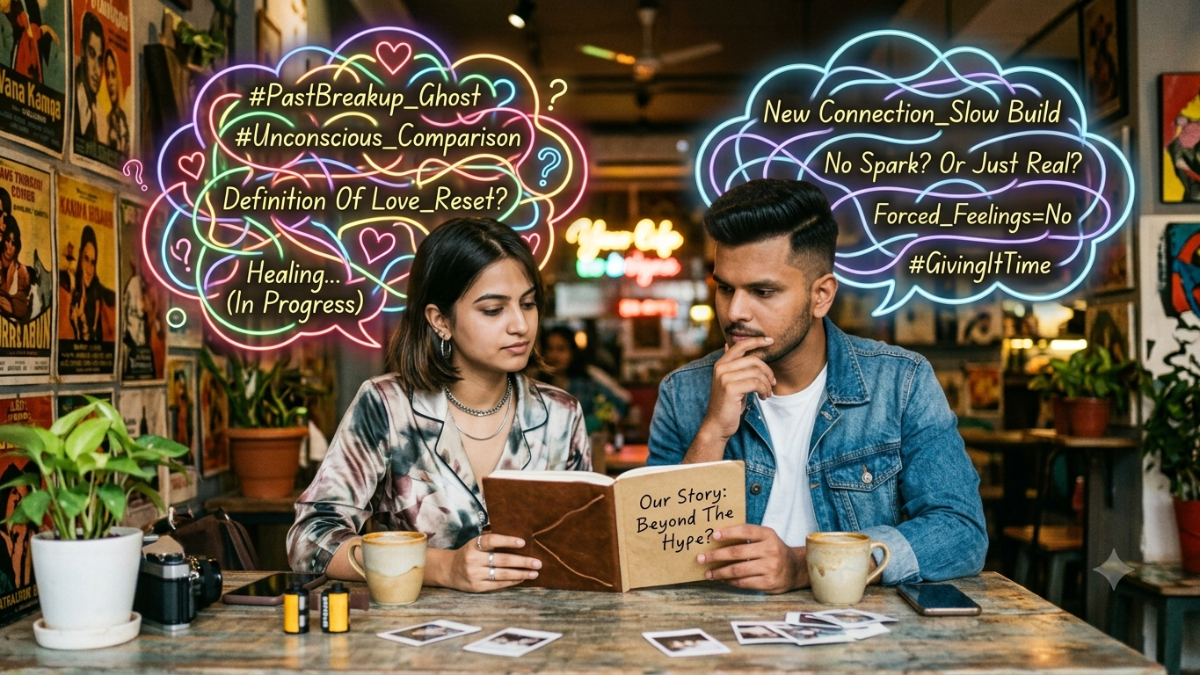
Why We Keep Choosing the Wrong People (And How to Break the Pattern)

Why We Keep Choosing the Wrong People (And How to Break the Pattern)

Article | Relationship

Do you keep ending up in the same painful relationships? The pattern isn't bad luck — it's your nervous system following a familiar blueprint shaped in early life. In this article, I explore why we're drawn to what feels familiar over what is actually healthy, the most common relationship patterns I see in practice, and five concrete steps to begin breaking the cycle. Change is possible — and it starts with understanding yourself.

Sex, Power, and Money: The Three Hidden Forces Quietly Destroying Your Relationship

Sex, Power, and Money: The Three Hidden Forces Quietly Destroying Your Relationship

Article | Relationship
Most couples don't fight about sex or money. They fight about fear, control, and unspoken needs. Here's what's really going on beneath the surface.
Emotional Triangles in Couple Dynamics

Emotional Triangles in Couple Dynamics

Article | Relationship
Emotional triangles arise when partners pull a third person into their tension instead of resolving issues directly. Though it reduces anxiety temporarily, it weakens intimacy and trust. Strengthening communication and boundaries restores balance.
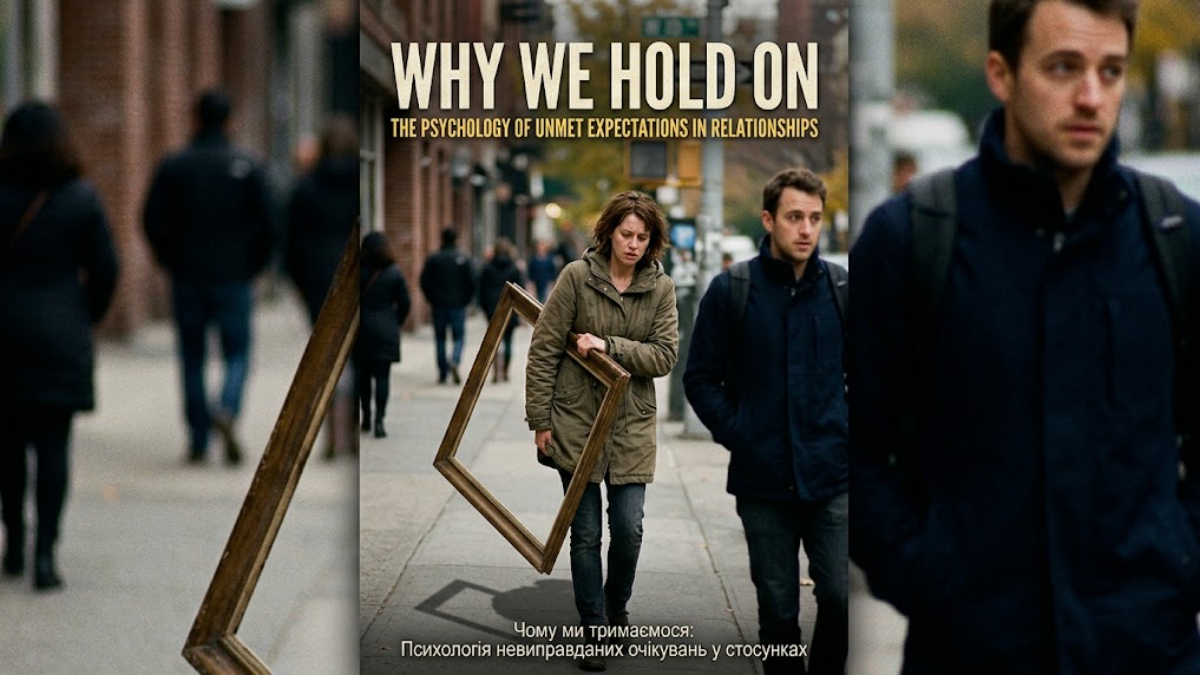
Why We Stay in Unfulfilling Relationships: A Psychological Insight

Why We Stay in Unfulfilling Relationships: A Psychological Insight

Article | Relationship
This article examines why individuals remain in unfulfilling romantic relationships through a psychological and behavioral lens. It highlights that such persistence is not merely a matter of choice, but the result of interconnected factors including attachment styles, cognitive biases, self-esteem, and trauma bonding.
Why Do I Push People Away? The Hidden Reason You Can't Keep Close Relationships

Why Do I Push People Away? The Hidden Reason You Can't Keep Close Relationships

Article | Relationship
You try to be likable, say the right things, yet people still drift away. The answer isn't what you're doing—it's the gap between who you are and who you pretend to be. Discover the hidden reason your relationships keep failing.
Psychology of Names: Why the Sound of Your Name Changes Everything

Psychology of Names: Why the Sound of Your Name Changes Everything

Article | Relationship
One word can make people feel seen: their name. Why it works, how it’s abused, and how you can remember names and build real rapport in everyday conversations.
How to Recognize a Toxic Person: The Quiet Signs Most People Miss

How to Recognize a Toxic Person: The Quiet Signs Most People Miss

Article | Relationship
Here is what most people get wrong about toxic behavior — they wait for something obvious. A slap. An insult. Some dramatic blowup that finally confirms what they have been feeling all along.
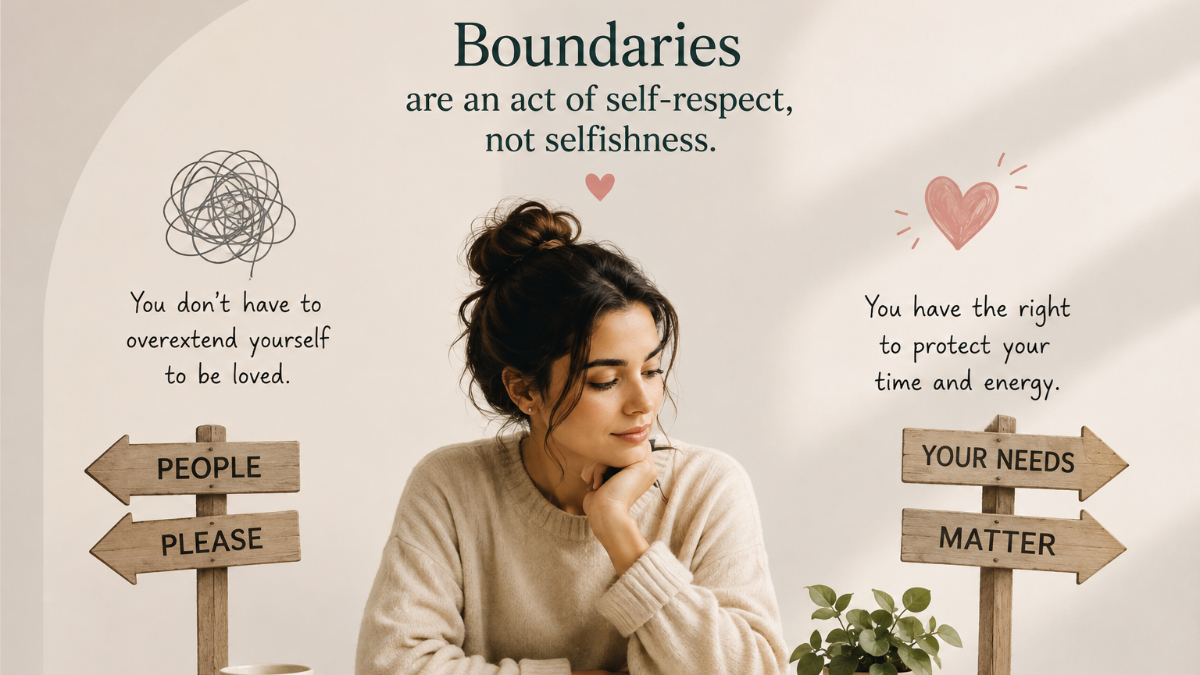
Why You Can't Say No: How to Set Boundaries and Stop People-Pleasing

Why You Can't Say No: How to Set Boundaries and Stop People-Pleasing

Article | Relationship
Millions of people struggle with setting boundaries — not because they don't know what they want, but because saying it out loud feels terrifying.
7 Types of Toxic People to Avoid for Your Mental Health

7 Types of Toxic People to Avoid for Your Mental Health

Article | Relationship
Some people around you push you forward. They challenge you, believe in you, and make you want to be better. But others? They drain you dry without you even noticing.

"How to Manage a Relationship with a Person Living with Borderline Personality Disorder (BPD)"

Article | Relationship
Borderline Personality Disorder is marked by emotional instability, fear of abandonment, and intense relationship patterns. Managing a relationship with a person with BPD involves:
You need to be logged in to send messages
Login Sign up
To create your specialist profile, please log in to your account.
Login Sign up
You need to be logged in to contact us
Login Sign up
To create a new Question, please log in or create an account
Login Sign up
Share on other sites

If you are considering psychotherapy but do not know where to start, a free initial consultation is the perfect first step. It will allow you to explore your options, ask questions, and feel more confident about taking the first step towards your well-being.

It is a 30-minute, completely free meeting with a Mental Health specialist that does not obligate you to anything.

What are the benefits of a free consultation?

Who is a free consultation suitable for?

Important:

Potential benefits of a free initial consultation

During this first session: potential clients have the chance to learn more about you and your approach before agreeing to work together.

Offering a free consultation will help you build trust with the client. It shows them that you want to give them a chance to make sure you are the right person to help them before they move forward. Additionally, you should also be confident that you can support your clients and that the client has problems that you can help them cope with. Also, you can avoid any ethical difficult situations about charging a client for a session in which you choose not to proceed based on fit.

We've found that people are more likely to proceed with therapy after a free consultation, as it lowers the barrier to starting the process. Many people starting therapy are apprehensive about the unknown, even if they've had sessions before. Our culture associates a "risk-free" mindset with free offers, helping people feel more comfortable during the initial conversation with a specialist.

Another key advantage for Specialist

Specialists offering free initial consultations will be featured prominently in our upcoming advertising campaign, giving you greater visibility.


It's important to note that the initial consultation differs from a typical therapy session:

No Internet Connection It seems you’ve lost your internet connection. Please refresh your page to try again. Your message has been sent

