

All Categories
Show more

Posts about Mental health

June: A Gentle Reminder to Check In With Your Mental Health

June: A Gentle Reminder to Check In With Your Mental Health

Article | Mental health
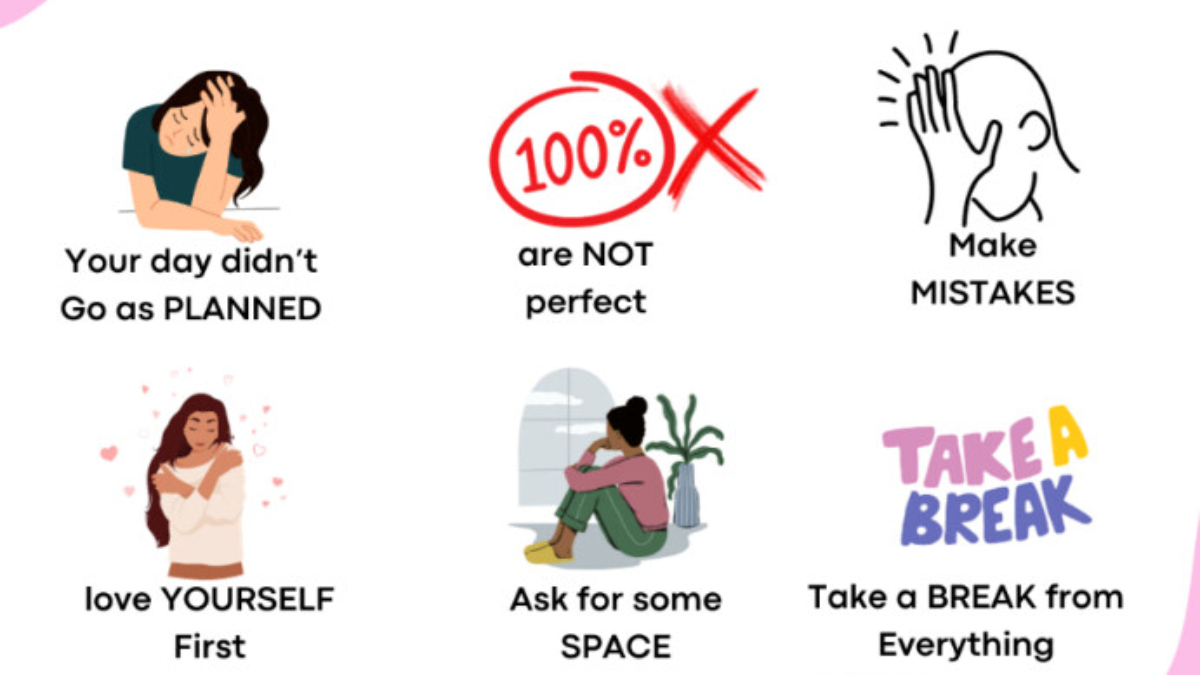
As June unfolds, many of us focus on new goals, summer plans, and busy schedules. But amid all the activity, it's important to remember that mental health deserves attention too. Taking care of your mind is just as important as taking care of your body.
Dopamine and Social Media: Why You Can't Stop Scrolling and What It's Doing to Your Brain

Dopamine and Social Media: Why You Can't Stop Scrolling and What It's Doing to Your Brain

Article | Mental health
You open the app for two minutes. An hour disappears. Sound familiar? Neuroscience finally explains why your brain can't resist the scroll — and what it's quietly costing you
Mental Health Is a Universal Human Right

Mental Health Is a Universal Human Right

Article | Mental health
Mental health is not invisible. It is not optional. And it is certainly not a privilege. It is as vital as physical health and just as deserving of attention, care, and protection. To truly honor the idea that mental health is a universal human right, we must move beyond awareness into action, advocacy, and accessibility. Because a world that protects mental health is a world that protects humanity itself.
Why You Keep Repeating the Same Painful Patterns — And How Childhood Shaped Everything

Why You Keep Repeating the Same Painful Patterns — And How Childhood Shaped Everything

Article | Mental health
Your childhood didn't just shape your memories — it wrote the rules your relationships still follow today. Here's why painful patterns keep repeating, and what it actually takes to stop them.
Overthinking

Overthinking

Article | Mental health
Overthinking is not always a sign of awareness... sometimes it is simply the mind's attempt to control anxiety. When we continuously replay the exact same scenarios in our heads, we are fundamentally trying to avoid a potential mistake or an anticipated pain.
16 Small Daily Habits That Change Your Life — No Willpower Required

16 Small Daily Habits That Change Your Life — No Willpower Required

Blog | Mental health
What if changing your life didn't require massive effort? These 16 small daily habits — backed by real neuroscience — prove that just two minutes a day, done consistently, can reshape your mood, health, and mindset.
Is Swearing Bad for You? What Psychology Really Says About Profanity and Your Brain

Is Swearing Bad for You? What Psychology Really Says About Profanity and Your Brain

Article | Mental health
Your brain doesn't care about the word — it cares about what came with it. The science behind swearing might surprise you.
Psychological Minimalism: Decluttering the Mind Beyond Physical Spaces

Psychological Minimalism: Decluttering the Mind Beyond Physical Spaces

Article | Mental health
Reducing mental clutter improves emotional clarity, decision-making, and inner peace by consciously filtering thoughts, information, and emotional overload.
Mental health well-being

Mental health well-being

Article | Mental health
You must not joke with your mental health.
Why Most Couples Argue the Wrong Way — And How to Fix It

Why Most Couples Argue the Wrong Way — And How to Fix It

Blog | Mental health

Most couples don't argue because they don't care — they argue because they don't know how to communicate what they actually need. Small shifts like listening to understand instead of respond, or replacing blame with "I feel" statements, can completely change the dynamic. We break down 7 practical communication skills that help couples reconnect and resolve conflict in a healthier way.

You need to be logged in to send messages
Login Sign up
To create your specialist profile, please log in to your account.
Login Sign up
You need to be logged in to contact us
Login Sign up
To create a new Question, please log in or create an account
Login Sign up
Share on other sites

If you are considering psychotherapy but do not know where to start, a free initial consultation is the perfect first step. It will allow you to explore your options, ask questions, and feel more confident about taking the first step towards your well-being.

It is a 30-minute, completely free meeting with a Mental Health specialist that does not obligate you to anything.

What are the benefits of a free consultation?

Who is a free consultation suitable for?

Important:

Potential benefits of a free initial consultation

During this first session: potential clients have the chance to learn more about you and your approach before agreeing to work together.

Offering a free consultation will help you build trust with the client. It shows them that you want to give them a chance to make sure you are the right person to help them before they move forward. Additionally, you should also be confident that you can support your clients and that the client has problems that you can help them cope with. Also, you can avoid any ethical difficult situations about charging a client for a session in which you choose not to proceed based on fit.

We've found that people are more likely to proceed with therapy after a free consultation, as it lowers the barrier to starting the process. Many people starting therapy are apprehensive about the unknown, even if they've had sessions before. Our culture associates a "risk-free" mindset with free offers, helping people feel more comfortable during the initial conversation with a specialist.

Another key advantage for Specialist

Specialists offering free initial consultations will be featured prominently in our upcoming advertising campaign, giving you greater visibility.


It's important to note that the initial consultation differs from a typical therapy session:

No Internet Connection It seems you’ve lost your internet connection. Please refresh your page to try again. Your message has been sent

