



All Categories
Show more

Posts about Mental disorder

Retrograde Amnesia: Causes, Symptoms, and Treatment Options

Retrograde Amnesia: Causes, Symptoms, and Treatment Options

Article | Mental disorder
Retrograde amnesia is a condition where a person loses memories of events that occurred before a traumatic incident or the onset of a neurological disease.
Living with Psychasthenia: Recognizing and Managing Chronic Anxiety in Daily Life

Living with Psychasthenia: Recognizing and Managing Chronic Anxiety in Daily Life

Blog | Mental disorder
The word “psychasthenia” has its roots in Greek, where “psyche” means soul and “asthenia” stands for weakness.
Supporting a Loved One with Bipolar Disorder

Supporting a Loved One with Bipolar Disorder

Blog | Mental disorder
Living with someone who has bipolar disorder can feel like trying to understand a constantly shifting landscape.
Reclaiming Your Reality: Effective Strategies for Managing Psychosis

Reclaiming Your Reality: Effective Strategies for Managing Psychosis

Blog | Mental disorder
Psychosis is a serious mental health condition where a person's thoughts and perceptions become disrupted, making it hard to tell what's real and what isn't.
Trichotillomania: Understanding the Compulsion to Pull Hair.

Trichotillomania: Understanding the Compulsion to Pull Hair.

Blog | Mental disorder
Trichotillomania is a complex condition that leads individuals to compulsively pull out their hair, resulting in noticeable hair loss and significant emotional distress.
Recognizing Early Signs of Dementia: What You Need to Know

Recognizing Early Signs of Dementia: What You Need to Know

Blog | Mental disorder
Dementia is a complex clinical syndrome that leads to a gradual decline in various cognitive functions, including memory, thinking, orientation, and the ability to learn new information.
The Hidden Dangers of Sociopathic Behavior: Recognizing the Signs

The Hidden Dangers of Sociopathic Behavior: Recognizing the Signs

Blog | Mental disorder

There are times when someone beside you appears perfectly normal, yet you feel an inexplicable sense of danger.

What is Autism Spectrum Disorder, and How is it Diagnosed?

What is Autism Spectrum Disorder, and How is it Diagnosed?

Blog | Mental disorder
In the ever-evolving field of child psychiatry, gaining a clear understanding of Autism Spectrum Disorder (ASD) is essential for parents, educators, and mental health professionals alike.
Generalized Anxiety Disorder vs. Obsessive-Compulsive Disorder: The Key Differences

Generalized Anxiety Disorder vs. Obsessive-Compulsive Disorder: The Key Differences

Blog | Mental disorder
When it comes to mental health, accurately distinguishing between similar conditions is crucial for effective treatment and long-term recovery.
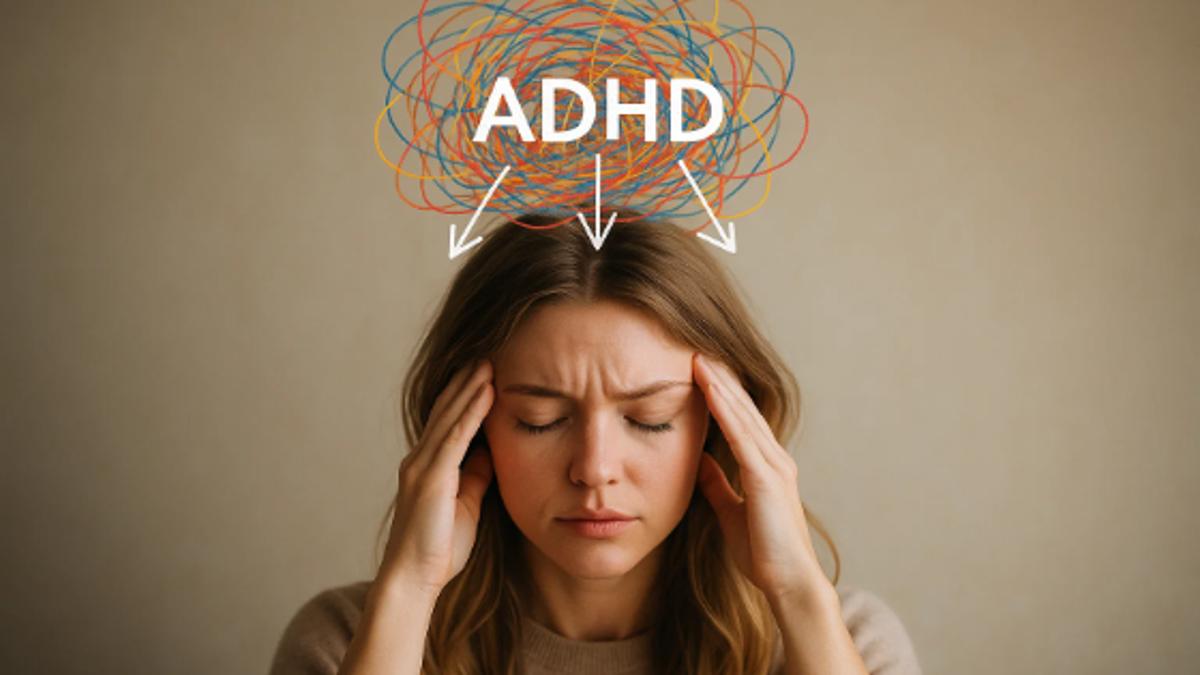
ADHD vs Borderline Personality Disorder: A Guide to the Differences

ADHD vs Borderline Personality Disorder: A Guide to the Differences

Blog | Mental disorder
Navigating the intricate world of mental health can sometimes feel overwhelming, especially when two conditions share several overlapping features.
You need to be logged in to send messages
Login Sign up
To create your specialist profile, please log in to your account.
Login Sign up
You need to be logged in to contact us
Login Sign up
To create a new Question, please log in or create an account
Login Sign up
Share on other sites

If you are considering psychotherapy but do not know where to start, a free initial consultation is the perfect first step. It will allow you to explore your options, ask questions, and feel more confident about taking the first step towards your well-being.

It is a 30-minute, completely free meeting with a Mental Health specialist that does not obligate you to anything.

What are the benefits of a free consultation?

Who is a free consultation suitable for?

Important:

Potential benefits of a free initial consultation

During this first session: potential clients have the chance to learn more about you and your approach before agreeing to work together.

Offering a free consultation will help you build trust with the client. It shows them that you want to give them a chance to make sure you are the right person to help them before they move forward. Additionally, you should also be confident that you can support your clients and that the client has problems that you can help them cope with. Also, you can avoid any ethical difficult situations about charging a client for a session in which you choose not to proceed based on fit.

We've found that people are more likely to proceed with therapy after a free consultation, as it lowers the barrier to starting the process. Many people starting therapy are apprehensive about the unknown, even if they've had sessions before. Our culture associates a "risk-free" mindset with free offers, helping people feel more comfortable during the initial conversation with a specialist.

Another key advantage for Specialist

Specialists offering free initial consultations will be featured prominently in our upcoming advertising campaign, giving you greater visibility.


It's important to note that the initial consultation differs from a typical therapy session:

No Internet Connection It seems you’ve lost your internet connection. Please refresh your page to try again. Your message has been sent

