



All Categories
Show more

Posts about Emotions

Being in Love Doesn't Mean Forgetting Everyone Else

Being in Love Doesn't Mean Forgetting Everyone Else

Blog | Emotions
Sometimes, falling in love changes more than just your relationship status. You start spending more time with one person, and without realizing it, other important relationships begin receiving less of you.
Why it's so difficult to let an Emotion go?

Why it's so difficult to let an Emotion go?

Blog | Emotions
Sometimes, we desperately want an emotion to disappear. Yet the more we try to fight it, the more attention it seems to demand. We may recognise our emotions, label them, understand where they come from, and even acknowledge the needs underneath them yet still find it incredibly difficult to let them go. Why?
Why you feel the way you feel?

Why you feel the way you feel?

Blog | Emotions
We often treat difficult emotions as something we need to get rid of. We tell ourselves to move on, stop overthinking, calm down, or let it go. But what if an emotion is not simply something to eliminate? What if it is also carrying information about something that matters to us?
Shadow Work

Shadow Work

Blog | Emotions
Many people struggle with sudden outbursts of anger, intense feelings of jealousy, or a persistent sense of not being "good enough." In analytical psychology, these unwanted emotions and traits often stem from what Carl Jung termed the Shadow—the unconscious part of the personality that the conscious ego does not identify in itself.
You Said “I’m Fine.” But Your Body Didn’t.

You Said “I’m Fine.” But Your Body Didn’t.

Blog | Emotions
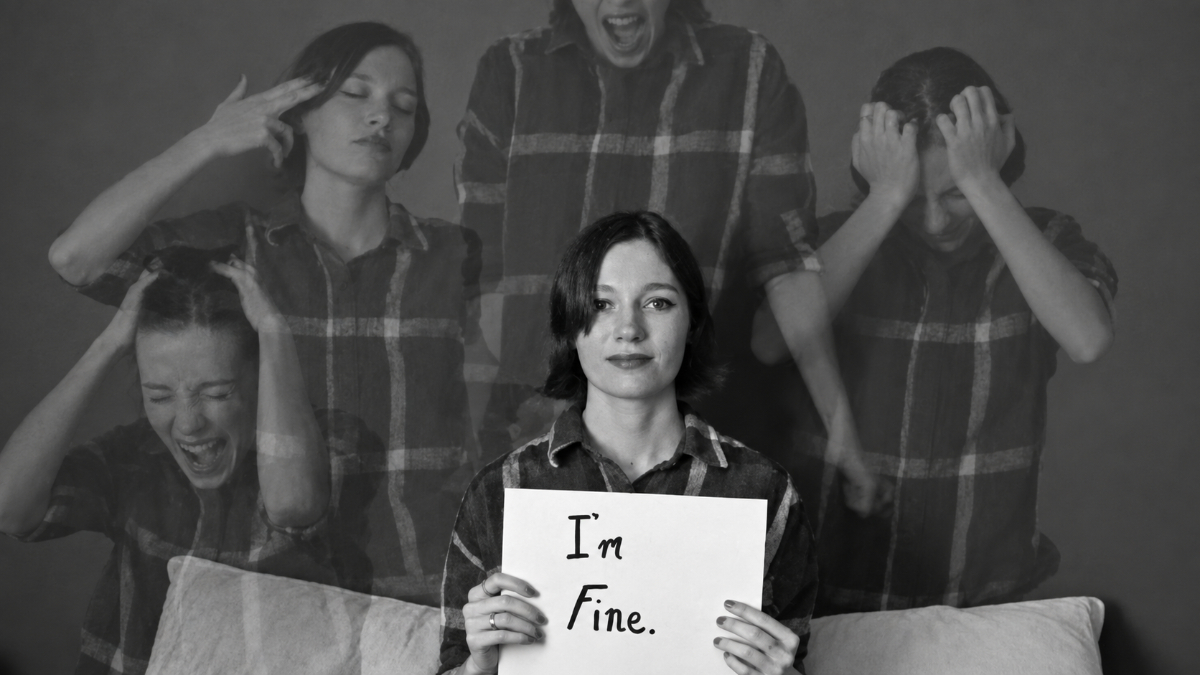
Sometimes we say “I’m fine” because we don’t know how to explain what we’re feeling—or because we’ve become used to hiding it. But emotions don’t always disappear just because we don’t talk about them. Stress and unprocessed emotions can show up through headaches, tiredness, muscle tension, changes in sleep, appetite, or constant restlessness.
Is Jealousy Really a Red Flag? The Side of Love We Rarely Talk About

Is Jealousy Really a Red Flag? The Side of Love We Rarely Talk About

Article | Emotions
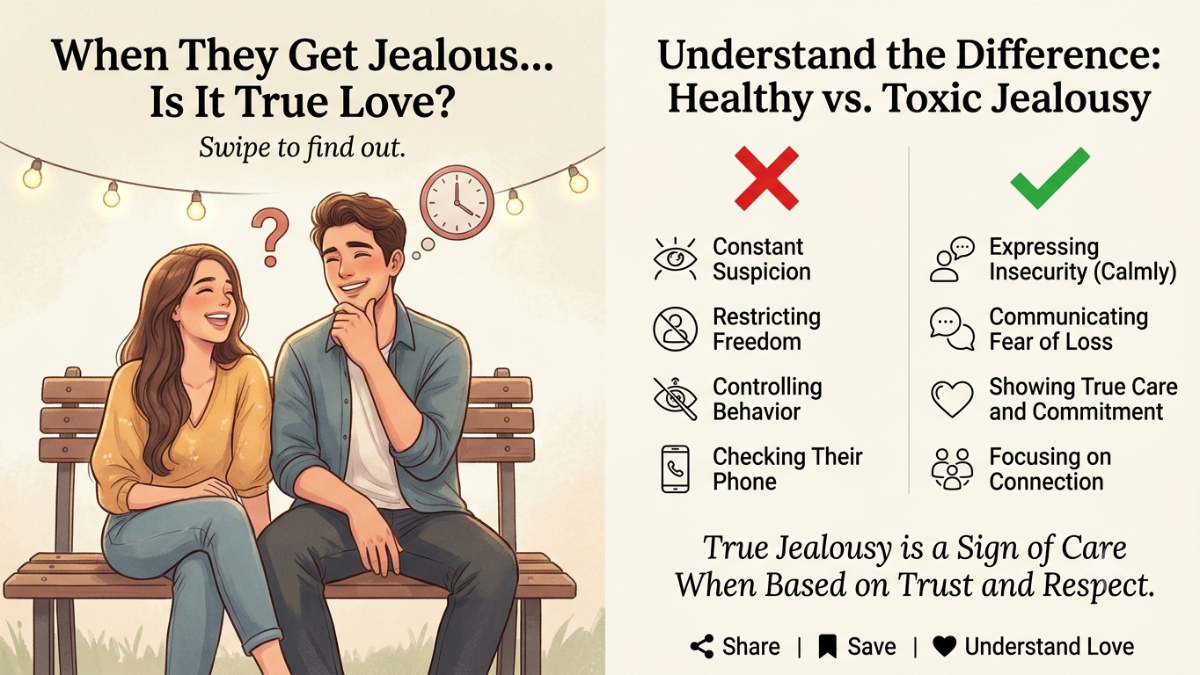
Is jealousy always a red flag? We’ve been told to run at the first sign of possessiveness, but real love isn't that simple. Mild jealousy often springs from deep care, vulnerability, and a natural fear of losing someone who truly matters to you. It only becomes dangerous when it turns into control and constant suspicion. Real connection needs a balance of trust and open communication. Let’s break down the fine line between healthy affection and toxic behavior in modern relationships.
Inside Out: What If Sadness Isn’t the Emotion You Need to Get Rid Of?

Inside Out: What If Sadness Isn’t the Emotion You Need to Get Rid Of?

Article | Emotions
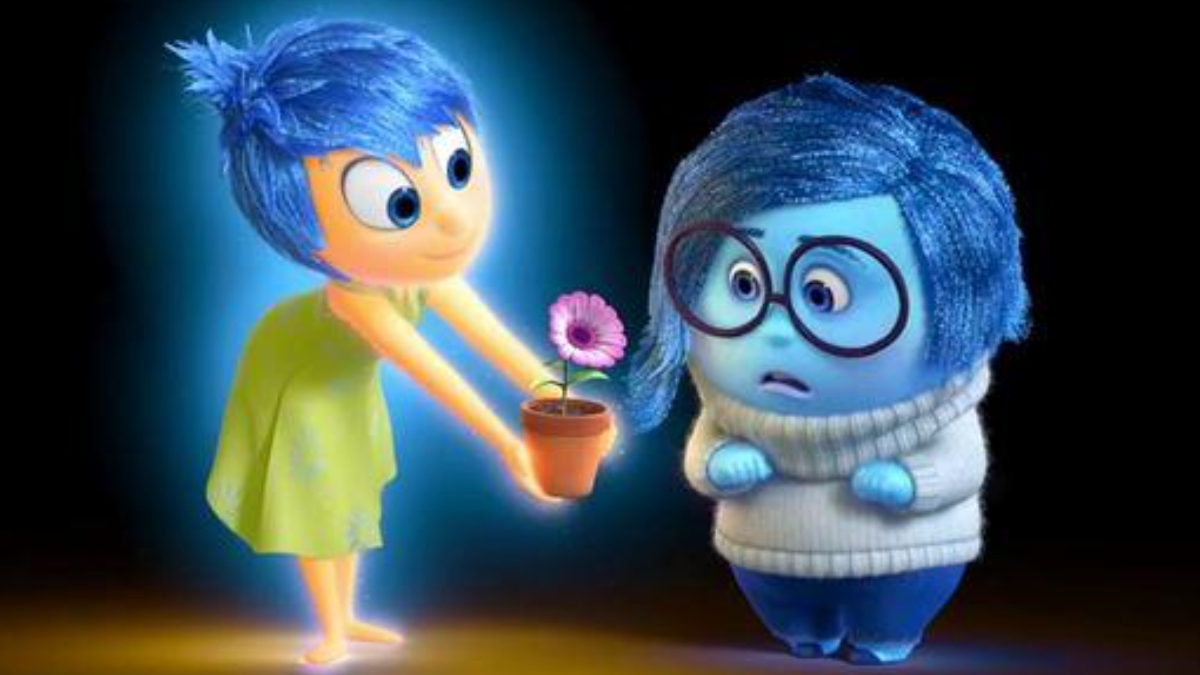
What if sadness isn't something you need to “fix”? Inside Out offers a beautiful reminder that even uncomfortable emotions have a purpose. Sadness can help us recognize loss, seek support, and understand what matters to us. This article explores why we shouldn't always push sadness away and how to acknowledge difficult emotions while still taking care of ourselves.
Therapist Explains... The Difference Between Loneliness and Being Alone

Therapist Explains... The Difference Between Loneliness and Being Alone

Article | Emotions
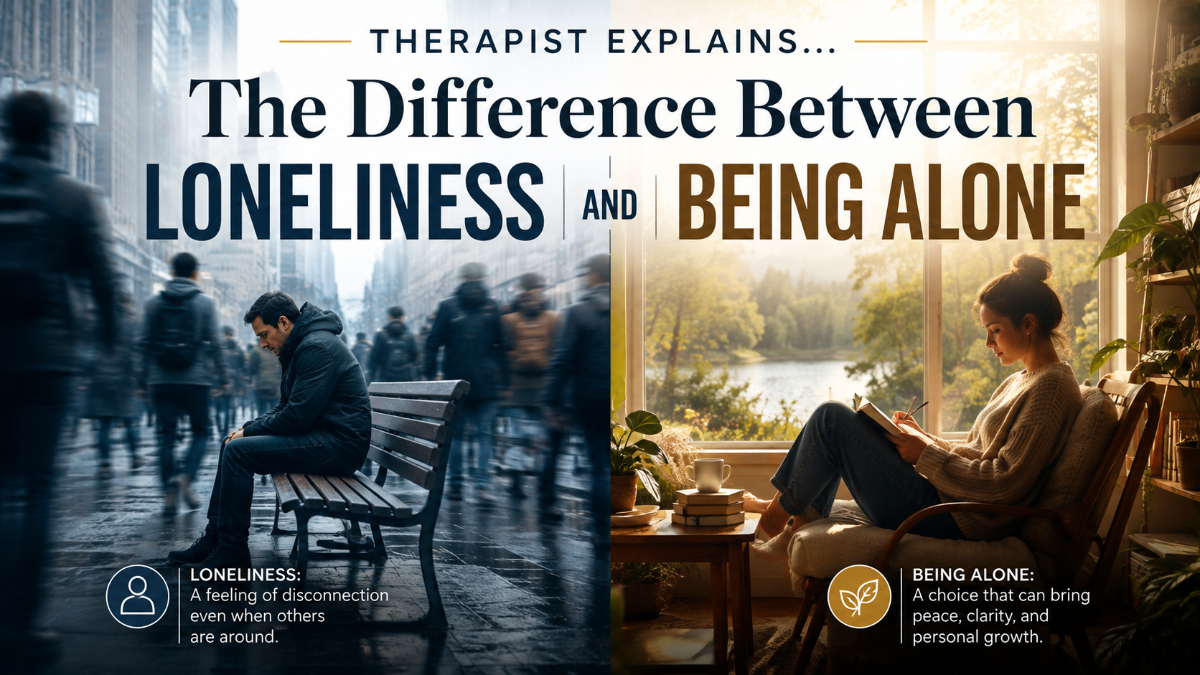
Being alone and feeling lonely may look similar from the outside, but psychologically, they are not the same experience. You can spend an entire weekend by yourself and feel peaceful, restored, and connected to yourself. And you can sit in a crowded room surrounded by people and still feel profoundly lonely. So what is the difference?
Therapist Explains... Why Your Inner Critic Is So Loud — and How to Shrink It

Therapist Explains... Why Your Inner Critic Is So Loud — and How to Shrink It

Article | Emotions
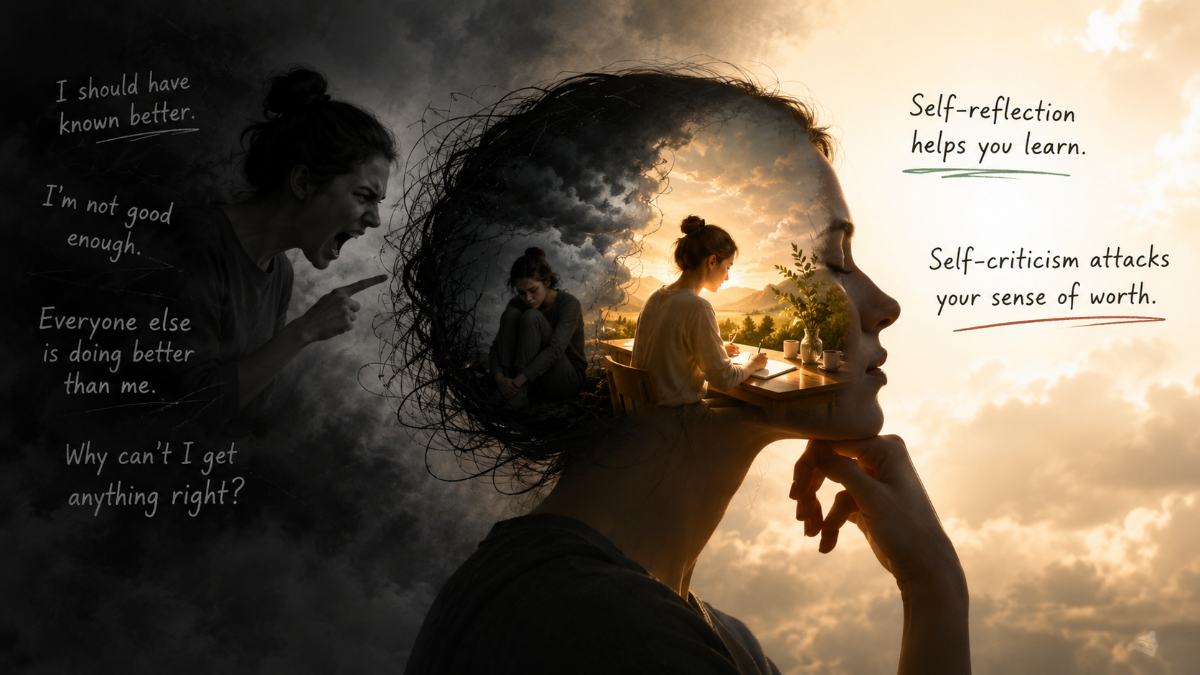
Have you ever made one small mistake and immediately heard: “I should have known better.” “I'm not good enough.” “Everyone else is doing better than me.” “Why can't I get anything right?”
Grief Processing: Why You Need to Feel What You’ve Lost

Grief Processing: Why You Need to Feel What You’ve Lost

Article | Emotions
Grief is not something we simply “get over.” It is something we gradually learn to carry, understand, and integrate into our lives. When we lose someone, something, or even a version of life we deeply cared about, our mind and body need time to process what has happened. Yet many of us try to move on quickly. We stay busy, suppress our emotions, tell ourselves to be strong, or avoid talking about the loss because it feels too painful.
You need to be logged in to send messages
Login Sign up
To create your specialist profile, please log in to your account.
Login Sign up
You need to be logged in to contact us
Login Sign up
To create a new Question, please log in or create an account
Login Sign up
Share on other sites

If you are considering psychotherapy but do not know where to start, a free initial consultation is the perfect first step. It will allow you to explore your options, ask questions, and feel more confident about taking the first step towards your well-being.

It is a 30-minute, completely free meeting with a Mental Health specialist that does not obligate you to anything.

What are the benefits of a free consultation?

Who is a free consultation suitable for?

Important:

Potential benefits of a free initial consultation

During this first session: potential clients have the chance to learn more about you and your approach before agreeing to work together.

Offering a free consultation will help you build trust with the client. It shows them that you want to give them a chance to make sure you are the right person to help them before they move forward. Additionally, you should also be confident that you can support your clients and that the client has problems that you can help them cope with. Also, you can avoid any ethical difficult situations about charging a client for a session in which you choose not to proceed based on fit.

We've found that people are more likely to proceed with therapy after a free consultation, as it lowers the barrier to starting the process. Many people starting therapy are apprehensive about the unknown, even if they've had sessions before. Our culture associates a "risk-free" mindset with free offers, helping people feel more comfortable during the initial conversation with a specialist.

Another key advantage for Specialist

Specialists offering free initial consultations will be featured prominently in our upcoming advertising campaign, giving you greater visibility.


It's important to note that the initial consultation differs from a typical therapy session:

No Internet Connection It seems you’ve lost your internet connection. Please refresh your page to try again. Your message has been sent