






All Categories
Show more

Posts

Mental Health After Trauma: Why Not Everyone Gets PTSD — and What Actually Helps

Mental Health After Trauma: Why Not Everyone Gets PTSD — and What Actually Helps

Article | Trauma
Most people exposed to war don't develop PTSD — but that's not what you hear. Here's what the science actually says about trauma, resilience, and who really needs help.
Why You Never Feel Satisfied No Matter How Much You Achieve — And How to Fix It

Why You Never Feel Satisfied No Matter How Much You Achieve — And How to Fix It

Article | Self-care
More done, more goals, more pressure — but never enough. If you can't remember the last time you felt genuinely proud of yourself, this is worth reading.
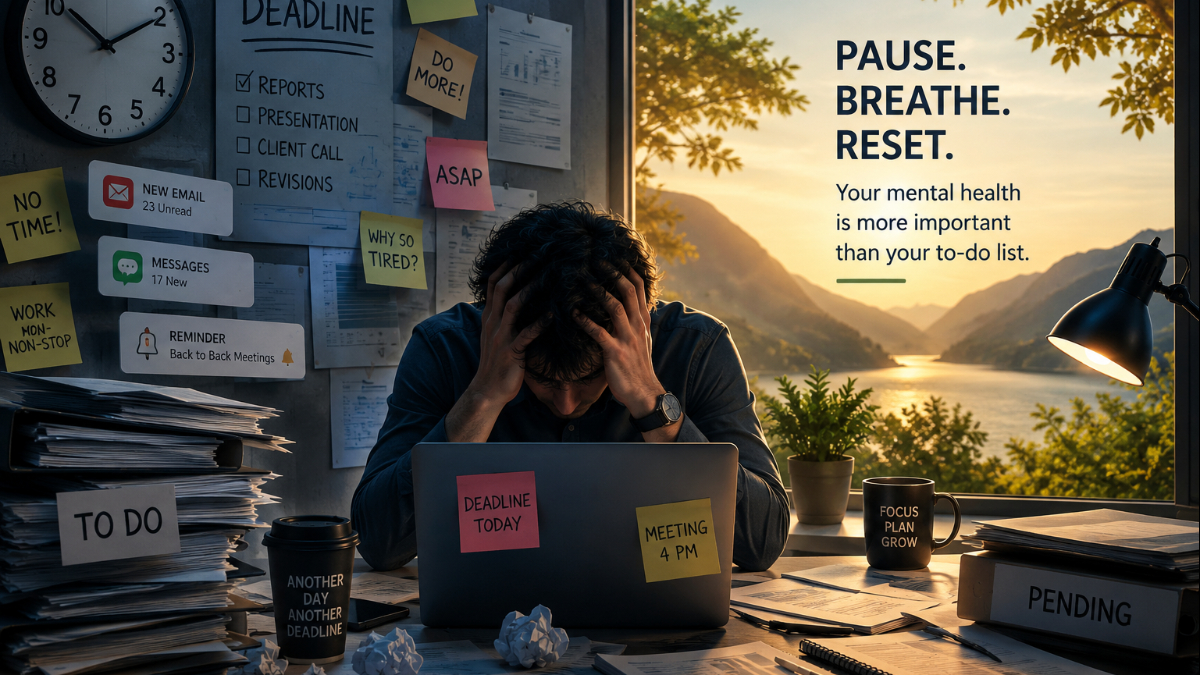
“Always Busy, Always Tired”: The Silent Burnout Crisis at Work

“Always Busy, Always Tired”: The Silent Burnout Crisis at Work

Article | Burnout
Success loses meaning when mental and physical health are constantly sacrificed for it. A person is not a machine designed for nonstop productivity. Humans need rest, connection, purpose, and emotional safety.
Self-Acceptance: The End of the War Against Yourself

Self-Acceptance: The End of the War Against Yourself

Article | Self-acceptance
Self-acceptance is the ability to recognize and embrace one’s emotions, imperfections, fears, and contradictions without turning them into reasons for self-hatred. Many people grow up believing they are only worthy of love if they perform well, please others, or hide vulnerability. Over time, this creates a harsh internal critic and a disconnection from the authentic self.
Trust in Therapy: The Three-Part Foundation That Makes Healing Possible

Trust in Therapy: The Three-Part Foundation That Makes Healing Possible

Article | Psychotherapy
What if the most powerful therapeutic tool isn't a method at all? Research and Carl Rogers agree: trust in the therapist-client relationship predicts healing more than any technique ever could.
Why People Avoid Therapy — And the Hidden Price of Waiting Too Long

Why People Avoid Therapy — And the Hidden Price of Waiting Too Long

Article | Psychotherapy
Most people have a reason for skipping therapy. Money. Time. A good friend who listens. But what if none of those reasons are the real ones — and waiting is quietly costing you more than you think?
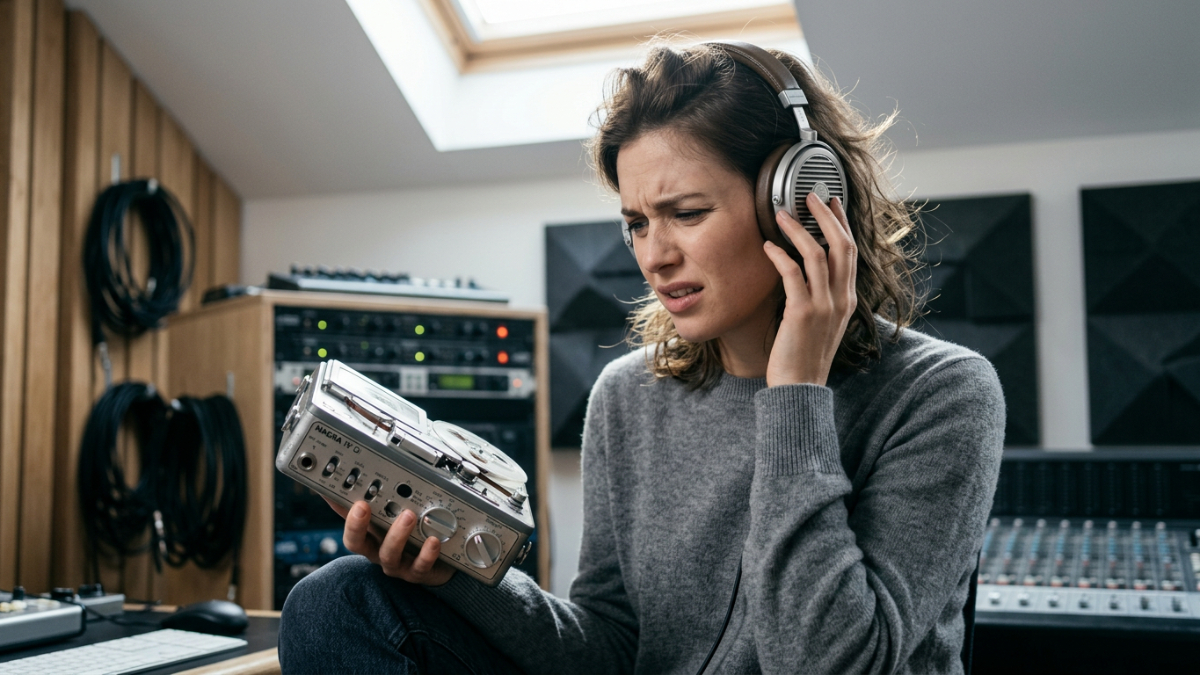
Why Your Recorded Voice Sounds Different (And Why You Hate It)

Why Your Recorded Voice Sounds Different (And Why You Hate It)

Article | Self-acceptance
Do you cringe when hearing your own voice on a recording? Discover the fascinating science of bone conduction and the psychology of "voice confrontation" that explains why your recorded voice sounds like a stranger.
Are you worried your adult child is

Are you worried your adult child is "taking too long" to become independent?

Article | Family
Top 5 Struggles Parents are Facing with their Adult Children: 1. Financial dependence 2. "Failure to Launch" or needing to move back home 3. Feeling guilty when setting boundaries 4. Communication gaps 5. Managing expectations & choices
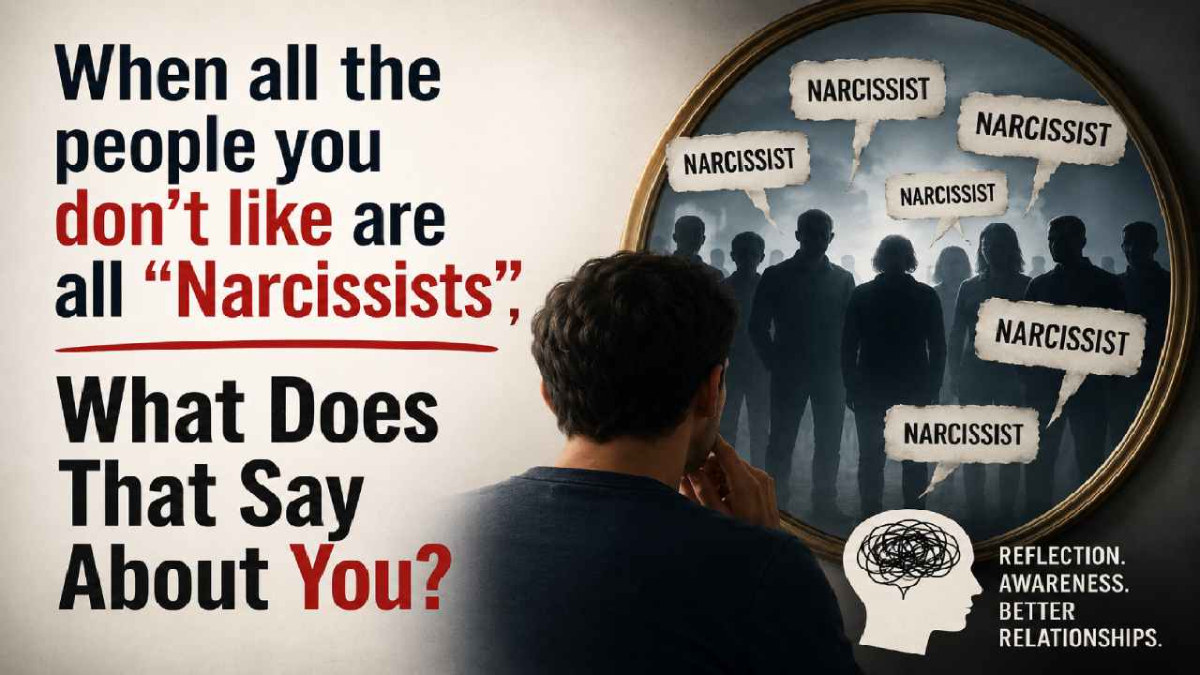
When all the people you don’t like are all “Narcissists”, What Does That Say About You?

When all the people you don’t like are all “Narcissists”, What Does That Say About You?

Article | Psychotherapy
The word “narcissist” has quietly shifted from a clinical diagnosis into a cultural pejorative. On social media it now functions as shorthand for all previous partners, strict parents, demanding bosses, selfishness, emotional immaturity, infidelity, or simply being difficult. This shift matters. When a diagnostic label becomes a moral judgement, it blurs the line between personality pathology and ordinary human behaviour, and in doing so it distorts both public understanding and interpersonal responsibility.

"Toxic People": 6 Proven Ways to Protect Your Mental Health and Set Real Boundaries

Article | Relationship
We've all met them. People who leave you drained, anxious, or smaller than before. This article breaks down exactly why toxic people affect you — and 6 strategies that actually shift the dynamic in your favor.
You need to be logged in to send messages
Login Sign up
To create your specialist profile, please log in to your account.
Login Sign up
You need to be logged in to contact us
Login Sign up
To create a new Question, please log in or create an account
Login Sign up
Share on other sites

If you are considering psychotherapy but do not know where to start, a free initial consultation is the perfect first step. It will allow you to explore your options, ask questions, and feel more confident about taking the first step towards your well-being.

It is a 30-minute, completely free meeting with a Mental Health specialist that does not obligate you to anything.

What are the benefits of a free consultation?

Who is a free consultation suitable for?

Important:

Potential benefits of a free initial consultation

During this first session: potential clients have the chance to learn more about you and your approach before agreeing to work together.

Offering a free consultation will help you build trust with the client. It shows them that you want to give them a chance to make sure you are the right person to help them before they move forward. Additionally, you should also be confident that you can support your clients and that the client has problems that you can help them cope with. Also, you can avoid any ethical difficult situations about charging a client for a session in which you choose not to proceed based on fit.

We've found that people are more likely to proceed with therapy after a free consultation, as it lowers the barrier to starting the process. Many people starting therapy are apprehensive about the unknown, even if they've had sessions before. Our culture associates a "risk-free" mindset with free offers, helping people feel more comfortable during the initial conversation with a specialist.

Another key advantage for Specialist

Specialists offering free initial consultations will be featured prominently in our upcoming advertising campaign, giving you greater visibility.


It's important to note that the initial consultation differs from a typical therapy session:

No Internet Connection It seems you’ve lost your internet connection. Please refresh your page to try again. Your message has been sent

