




All Categories
Show more

Posts

What should you know about Autism?

What should you know about Autism?

Article | Other
Autism is a developmental disability that affects how a person communicates, learns, behaves, and interacts with others. A developmental disability refers to any condition resulting from impairments in physical, learning, language, or behavioral areas.
How can we enhance our Emotional Intelligence?

How can we enhance our Emotional Intelligence?

Article | Other
Developing emotional intelligence involves deepening self-awareness, improving communication, and building effective problem-solving skills. These evidence-based strategies can help strengthen each of these areas:
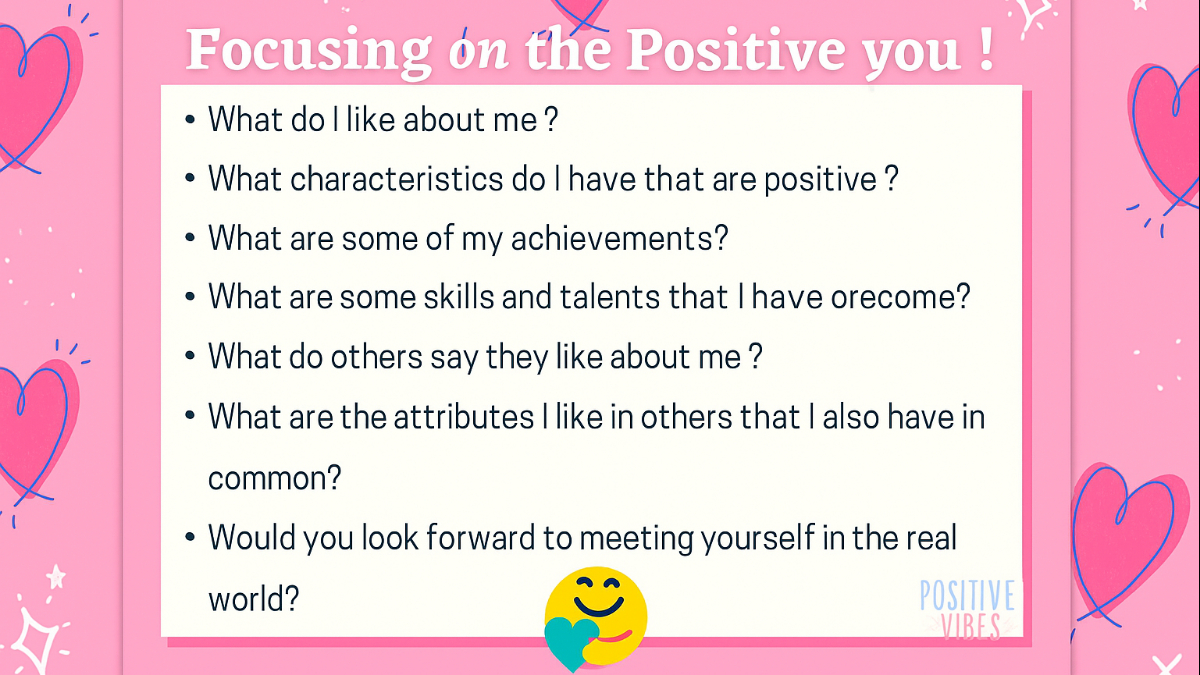
Focusing on the Positive You: The Psychology of Self-Affirmation

Focusing on the Positive You: The Psychology of Self-Affirmation

Blog | Self-care
Research in positive psychology highlights that self-affirmation — reflecting on your strengths, values, and achievements — can significantly enhance emotional resilience and self-esteem.
Focusing on the Positive you

Focusing on the Positive you

Blog | Self-care
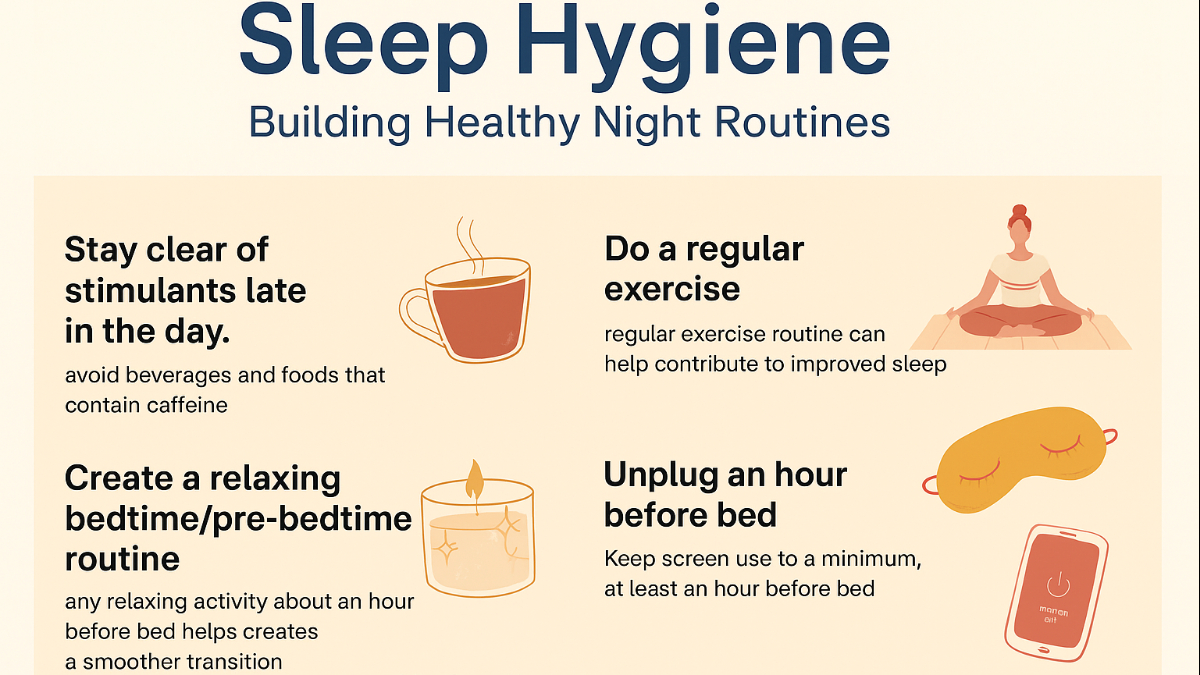
Sleep Well, Live Well Good sleep is one of the strongest predictors of emotional and physical health. Research shows that 7–9 hours of quality sleep supports better mood regulation, memory, immune function, and hormone balance.
Why Introverts Crave Stimulation and Extroverts Fall Asleep in the Void

Why Introverts Crave Stimulation and Extroverts Fall Asleep in the Void

Article | Self-acceptance
You walk into a room with no windows, no sounds, no smells. Total sensory deprivation. You lie down and wait. What happens to you after an hour? After three?
When the Elevator Makes You Face the Wall: How Group Pressure Works

When the Elevator Makes You Face the Wall: How Group Pressure Works

Article | Psychology
You step into an elevator on the first floor. Inside are four people—all standing with their backs to the doors, staring at the rear wall. What do you do? Most people simply turn around and join them.
Understanding Anxious Attachment

Understanding Anxious Attachment

Blog | Other
Anxious attachment develops when early caregiving is inconsistent, leading individuals to fear emotional disconnection and crave constant reassurance in relationships. In adulthood, this often appears as overthinking, fear of rejection, and emotional dependence.
The Power of Placebo: How a Fake Machine Healed Kids from Pain

The Power of Placebo: How a Fake Machine Healed Kids from Pain

Article | Psychology
A few years ago on the Vsauce show Mind Field, an experiment unfolded that looks like a trick but actually reveals one of the most powerful forces in the human mind.
The Rosenthal Effect: How Our Expectations Shape Someone Else’s Destiny

The Rosenthal Effect: How Our Expectations Shape Someone Else’s Destiny

Article | Psychology
When a teacher looks at a student and thinks, “This one’s definitely going to be a straight-A kid,” something invisible kicks in. The student suddenly starts studying harder, even though no one gave them extra lessons.
Commoin mistake in handling emotion

Commoin mistake in handling emotion

Article | Emotions
Ignoring your emotion Avoiding your feeling won't help acknowledging and confronting them
You need to be logged in to send messages
Login Sign up
To create your specialist profile, please log in to your account.
Login Sign up
You need to be logged in to contact us
Login Sign up
To create a new Question, please log in or create an account
Login Sign up
Share on other sites

If you are considering psychotherapy but do not know where to start, a free initial consultation is the perfect first step. It will allow you to explore your options, ask questions, and feel more confident about taking the first step towards your well-being.

It is a 30-minute, completely free meeting with a Mental Health specialist that does not obligate you to anything.

What are the benefits of a free consultation?

Who is a free consultation suitable for?

Important:

Potential benefits of a free initial consultation

During this first session: potential clients have the chance to learn more about you and your approach before agreeing to work together.

Offering a free consultation will help you build trust with the client. It shows them that you want to give them a chance to make sure you are the right person to help them before they move forward. Additionally, you should also be confident that you can support your clients and that the client has problems that you can help them cope with. Also, you can avoid any ethical difficult situations about charging a client for a session in which you choose not to proceed based on fit.

We've found that people are more likely to proceed with therapy after a free consultation, as it lowers the barrier to starting the process. Many people starting therapy are apprehensive about the unknown, even if they've had sessions before. Our culture associates a "risk-free" mindset with free offers, helping people feel more comfortable during the initial conversation with a specialist.

Another key advantage for Specialist

Specialists offering free initial consultations will be featured prominently in our upcoming advertising campaign, giving you greater visibility.


It's important to note that the initial consultation differs from a typical therapy session:

No Internet Connection It seems you’ve lost your internet connection. Please refresh your page to try again. Your message has been sent

