


All Categories
Show more

Posts about Child psychology

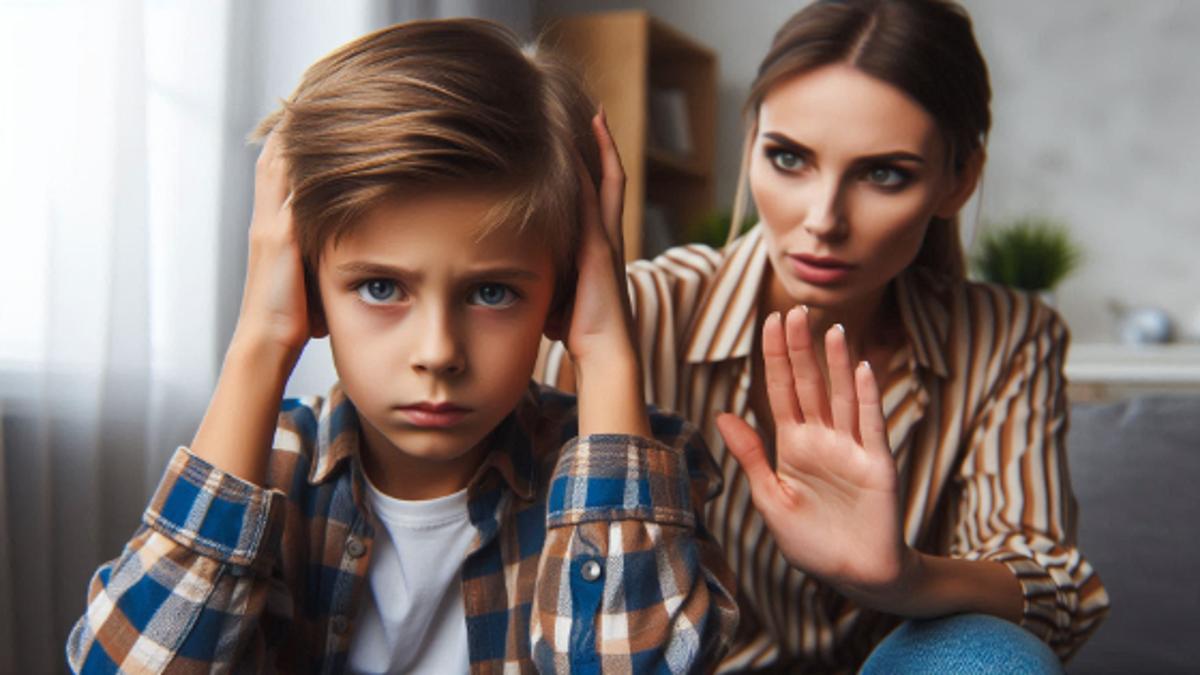
Normal vs. Pathological: Navigating Childhood Behavior Challenges

Normal vs. Pathological: Navigating Childhood Behavior Challenges

Blog | Child psychology
Understanding childhood behavior can be challenging, especially when trying to distinguish between normal developmental responses and signs of a deeper problem.
Why Do Children Have Tantrums, and How Can You Manage Them?

Why Do Children Have Tantrums, and How Can You Manage Them?

Blog | Child psychology
Children's tantrums are a common and often challenging part of early development. They represent a state of intense emotional and physical arousal that typically occurs in young children between one and three years of age.
What is Attachment Theory, and Why Does It Matter?

What is Attachment Theory, and Why Does It Matter?

Blog | Child psychology
Attachment theory explains how the bonds established in early childhood influence our ability to trust, connect, and feel secure throughout our lives.
Sexualized Behavior in Children: Causes, Symptoms, and Therapeutic Approaches

Sexualized Behavior in Children: Causes, Symptoms, and Therapeutic Approaches

Article | Child psychology
Sexualized behavior in a child refers to an age-inappropriate preoccupation with one’s own genitals or involvement in sexual activities that exceed what is typical for their developmental stage.
Piaget's Stages of Cognitive Development: A Comprehensive Guide

Piaget's Stages of Cognitive Development: A Comprehensive Guide

Blog | Child psychology
When we talk about how children learn and grow, Jean Piaget's theory offers one of the most influential frameworks in developmental psychology.
Understanding and Overcoming the Unloved Child Syndrome

Understanding and Overcoming the Unloved Child Syndrome

Blog | Child psychology
Many people reflect on their childhood and sense that they lacked the nurturing warmth or encouragement that others seemed to receive naturally.
Maladaptive Daydreaming in Children: When Imagination Becomes a Problem

Maladaptive Daydreaming in Children: When Imagination Becomes a Problem

Blog | Child psychology
Maladaptive Daydreaming (MD) in children is a psychological condition where the child's imagination becomes excessively detached from reality.
Parental Alienation: When Love Becomes a Weapon

Parental Alienation: When Love Becomes a Weapon

Blog | Child psychology
Is a psychological condition in which a child becomes involved in an emotional conflict between parents, often being manipulated into siding with one parent and rejecting the other.
Anxiety Disorders in Children: Causes, Symptoms, and Effective Treatment

Anxiety Disorders in Children: Causes, Symptoms, and Effective Treatment

Blog | Child psychology
Anxiety disorders in children are a growing concern and are becoming increasingly common.
Does Observing Aggression Lead to Imitation? The Bobo Doll Experiment

Does Observing Aggression Lead to Imitation? The Bobo Doll Experiment

Blog | Child psychology
The Bobo doll experiment, conducted by Canadian psychologist Albert Bandura in the 1960s, remains one of the most influential studies in the field of psychology.
You need to be logged in to send messages
Login Sign up
To create your specialist profile, please log in to your account.
Login Sign up
You need to be logged in to contact us
Login Sign up
To create a new Question, please log in or create an account
Login Sign up
Share on other sites

If you are considering psychotherapy but do not know where to start, a free initial consultation is the perfect first step. It will allow you to explore your options, ask questions, and feel more confident about taking the first step towards your well-being.

It is a 30-minute, completely free meeting with a Mental Health specialist that does not obligate you to anything.

What are the benefits of a free consultation?

Who is a free consultation suitable for?

Important:

Potential benefits of a free initial consultation

During this first session: potential clients have the chance to learn more about you and your approach before agreeing to work together.

Offering a free consultation will help you build trust with the client. It shows them that you want to give them a chance to make sure you are the right person to help them before they move forward. Additionally, you should also be confident that you can support your clients and that the client has problems that you can help them cope with. Also, you can avoid any ethical difficult situations about charging a client for a session in which you choose not to proceed based on fit.

We've found that people are more likely to proceed with therapy after a free consultation, as it lowers the barrier to starting the process. Many people starting therapy are apprehensive about the unknown, even if they've had sessions before. Our culture associates a "risk-free" mindset with free offers, helping people feel more comfortable during the initial conversation with a specialist.

Another key advantage for Specialist

Specialists offering free initial consultations will be featured prominently in our upcoming advertising campaign, giving you greater visibility.


It's important to note that the initial consultation differs from a typical therapy session:

No Internet Connection It seems you’ve lost your internet connection. Please refresh your page to try again. Your message has been sent

