

All Categories
Show more

Posts about Psychology

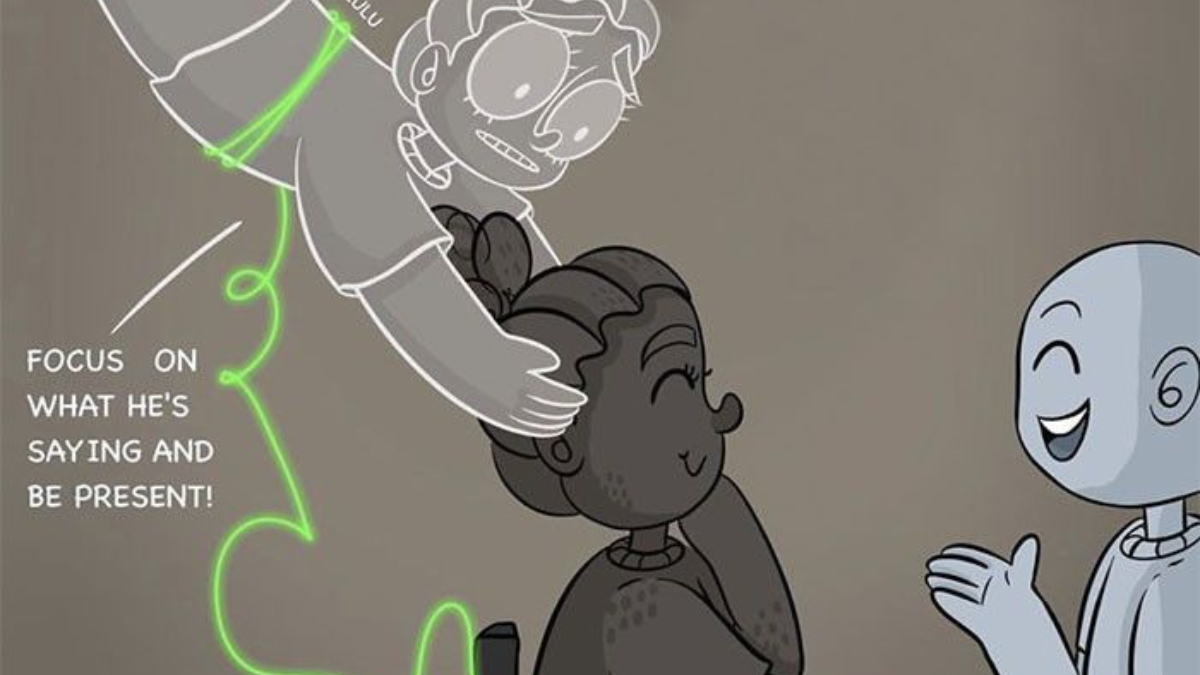
Dissociation in Everyday Life: “Scrolling for an hour and not remembering a single post.”

Dissociation in Everyday Life: “Scrolling for an hour and not remembering a single post.”

Article | Psychology
Have you ever picked up your phone to watch one reel, only to look at the clock an hour later and realise you barely remember anything you watched? Your thumb kept moving. Videos played. Your eyes followed the screen. Perhaps you even laughed at something or sent a post to a friend.
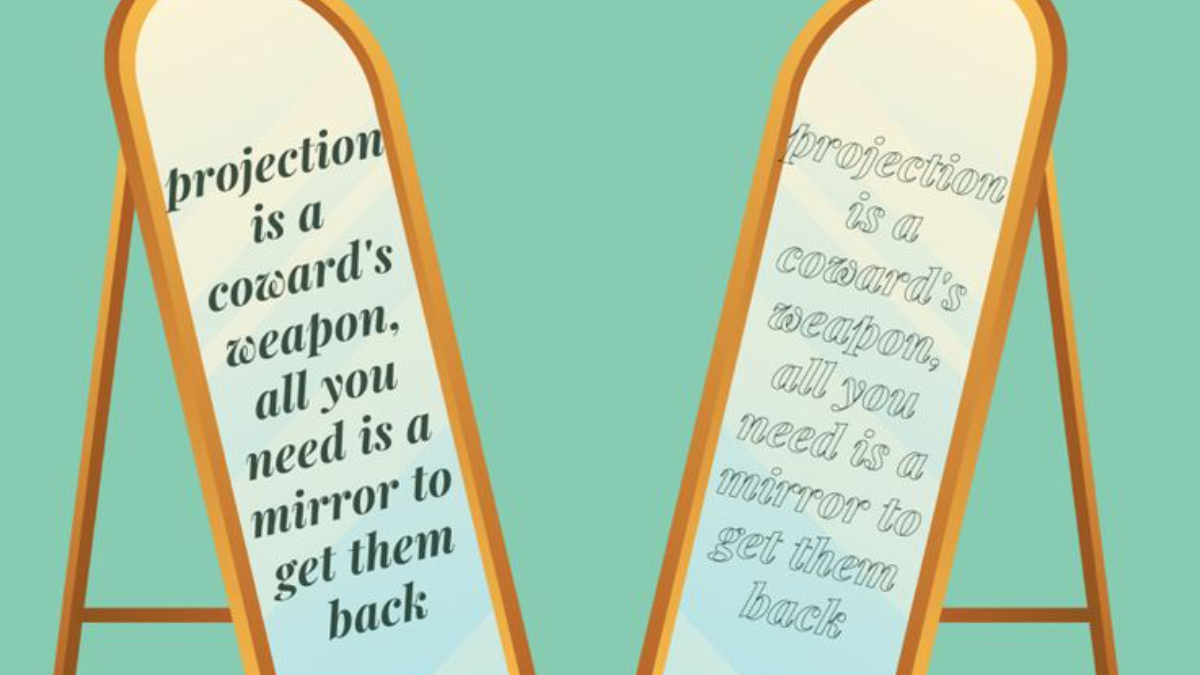
Projection: “The things that irritate you most about others sometimes belong to you.”

Projection: “The things that irritate you most about others sometimes belong to you.”

Article | Psychology
Have you ever met someone and immediately disliked something about them? Perhaps they seemed desperate for attention. Maybe they appeared arrogant, overly sensitive, controlling, selfish, or constantly in need of validation.
Procrastination as Emotion Regulation

Procrastination as Emotion Regulation

Article | Psychology
You have something important to do. You know it matters. You know the deadline is approaching. You have probably thought about doing it several times today
Learned Helplessness: “When you stop trying because trying stopped working.”

Learned Helplessness: “When you stop trying because trying stopped working.”

Article | Psychology
At first, you try. You explain what hurts you. You ask for things to change. You make plans, put in effort, give people another chance, and tell yourself that perhaps this time things will be different.
Revenge Bedtime Procrastination: “Staying up late because it’s the only hour that feels like yours.”

Revenge Bedtime Procrastination: “Staying up late because it’s the only hour that feels like yours.”

Article | Psychology
It is 11:30 p.m. You are tired. Your eyes feel heavy, your body wants rest, and you know tomorrow will be difficult if you don't sleep now. But somehow, you are still scrolling.
Hedonic Adaptation: “Why you get what you wanted and feel nothing after a week.”

Hedonic Adaptation: “Why you get what you wanted and feel nothing after a week.”

Article | Psychology
Have you ever wanted something so badly that you imagined how happy you would be once you finally had it? Maybe it was your dream job, a relationship, a new phone, financial independence, moving to a new city, or simply reaching a version of yourself you had been working towards for years.
Intermittent Reinforcement

Intermittent Reinforcement

Article | Psychology
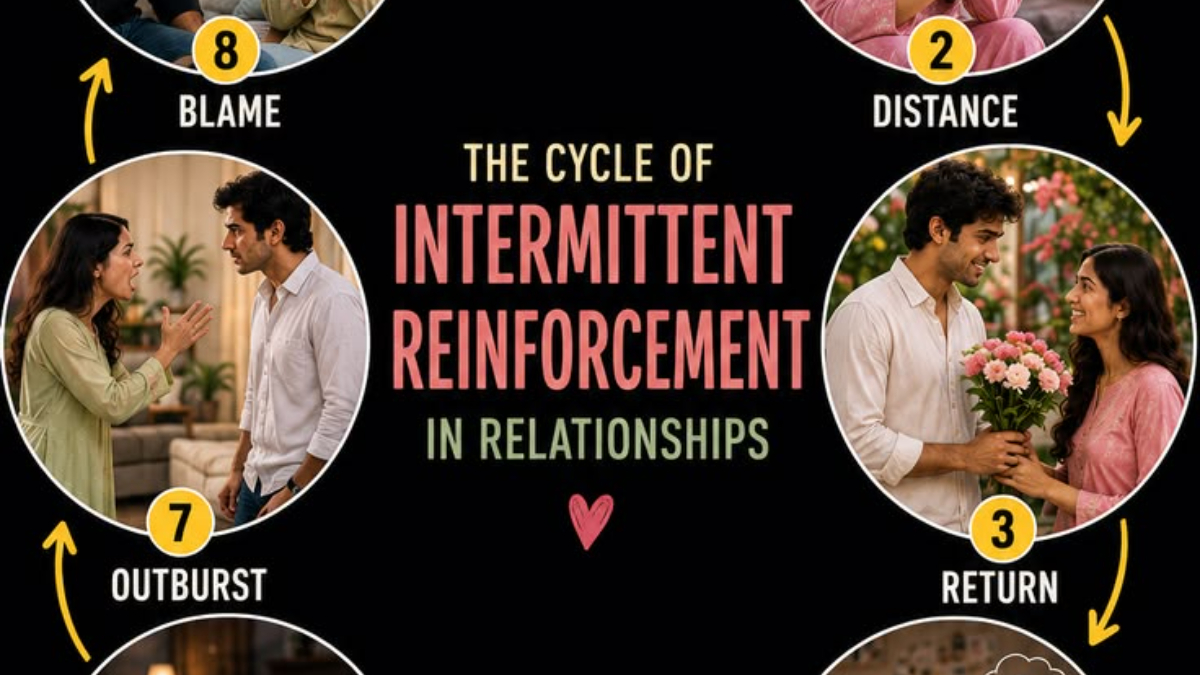
Why the Hot-and-Cold Person Is the One You Can't Stop Thinking About
The Cute Aggression Loop

The Cute Aggression Loop

Article | Psychology
There's a specific kind of low hum that shows up when the compliments stop. Not sadness, exactly — more like static. A vague sense that something's off, that you need to check your notifications, post again, ask "wait, but do you actually think so?" one more time. Call it the Cute Aggression Loop: a cycle where soft, affectionate validation — queen, obsessed, you're so pretty, I can't even — stops being a nice thing someone says to you and starts being the thing that keeps you upright.
The Exhausting Weight of Positivity

The Exhausting Weight of Positivity

Article | Psychology
We've built an entire culture around the idea that happiness is a choice, that gratitude fixes everything, and that a bad attitude is basically a moral failing. Scroll through social media and you'll find endless reminders to "choose joy," "just stay positive," and "good vibes only." On the surface, this seems harmless — even helpful. But for many people, this constant pressure to perform optimism is quietly draining.
The Cool Detachment Persona

The Cool Detachment Persona

Article | Psychology
There is a particular kind of emotional performance that looks like not caring. You don't double-text. You don't post about what happened. You respond with “lol okay” when something actually hurt. You make jokes about things that privately keep you awake. You disappear instead of explaining. Online, you seem calm, independent, unbothered—almost impossible to affect.
You need to be logged in to send messages
Login Sign up
To create your specialist profile, please log in to your account.
Login Sign up
You need to be logged in to contact us
Login Sign up
To create a new Question, please log in or create an account
Login Sign up
Share on other sites

If you are considering psychotherapy but do not know where to start, a free initial consultation is the perfect first step. It will allow you to explore your options, ask questions, and feel more confident about taking the first step towards your well-being.

It is a 30-minute, completely free meeting with a Mental Health specialist that does not obligate you to anything.

What are the benefits of a free consultation?

Who is a free consultation suitable for?

Important:

Potential benefits of a free initial consultation

During this first session: potential clients have the chance to learn more about you and your approach before agreeing to work together.

Offering a free consultation will help you build trust with the client. It shows them that you want to give them a chance to make sure you are the right person to help them before they move forward. Additionally, you should also be confident that you can support your clients and that the client has problems that you can help them cope with. Also, you can avoid any ethical difficult situations about charging a client for a session in which you choose not to proceed based on fit.

We've found that people are more likely to proceed with therapy after a free consultation, as it lowers the barrier to starting the process. Many people starting therapy are apprehensive about the unknown, even if they've had sessions before. Our culture associates a "risk-free" mindset with free offers, helping people feel more comfortable during the initial conversation with a specialist.

Another key advantage for Specialist

Specialists offering free initial consultations will be featured prominently in our upcoming advertising campaign, giving you greater visibility.


It's important to note that the initial consultation differs from a typical therapy session:

No Internet Connection It seems you’ve lost your internet connection. Please refresh your page to try again. Your message has been sent