






Author: Louise Williams

Michael Jackson and the Psychology of Fame: Why We Struggle to Separate Art from the Artist

Michael Jackson and the Psychology of Fame: Why We Struggle to Separate Art from the Artist

Blog | Psychology
Can we continue loving Michael Jackson’s music while questioning the man behind it? A thoughtful look at fame, moral conflict, fan loyalty, and the difficulty of separating art from its creator.
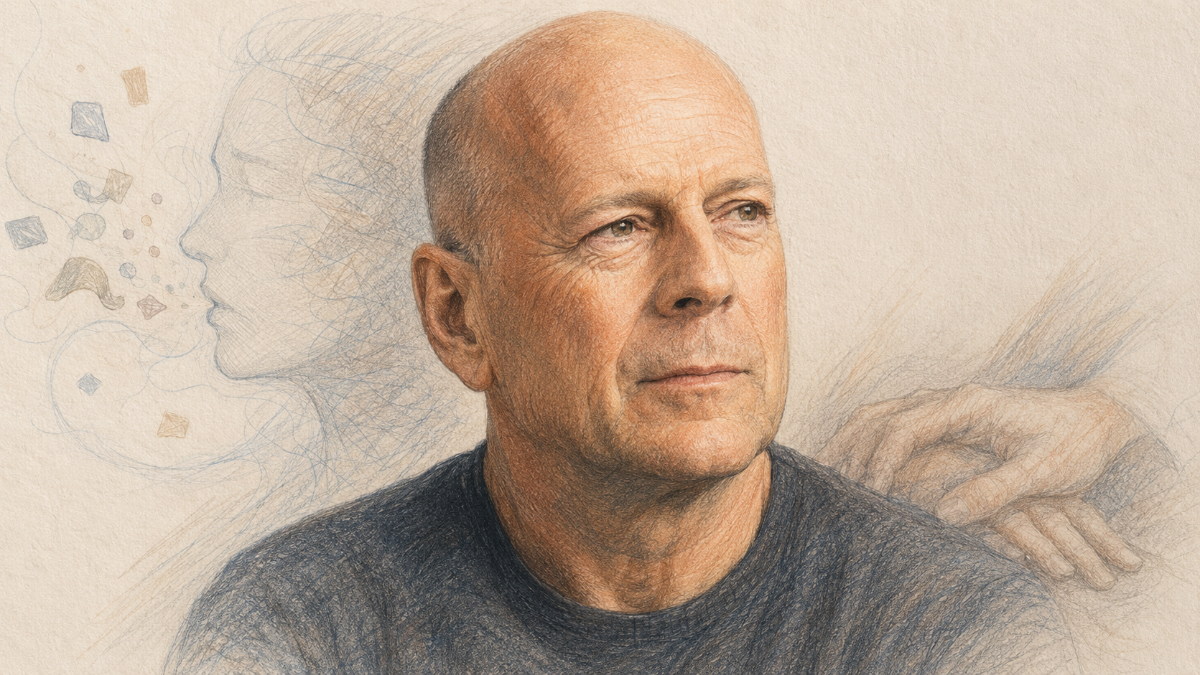
Bruce Willis and Frontotemporal Dementia: Understanding Aphasia, Symptoms, and Family Care

Bruce Willis and Frontotemporal Dementia: Understanding Aphasia, Symptoms, and Family Care

Blog | Mental disorder
Dementia is not always first noticed through forgetfulness. Bruce Willis’s diagnosis reveals the lesser-known symptoms of FTD and the emotional challenges faced by patients and their families.
Brad Pitt’s Psychology: Perfectionism, Discipline, and the Hidden Cost of Control

Brad Pitt’s Psychology: Perfectionism, Discipline, and the Hidden Cost of Control

Blog | Psychology
Behind Brad Pitt’s calm and disciplined image may lie high expectations, emotional restraint, and a constant need to remain in control. Can perfectionism build success while quietly limiting personal freedom?
Princess Diana: Fame, Loneliness, and the Search for Freedom

Princess Diana: Fame, Loneliness, and the Search for Freedom

Blog | Psychology
Her life looked like a fairy tale, but behind the royal image were strict expectations, emotional isolation, and a struggle to protect her identity and personal freedom.
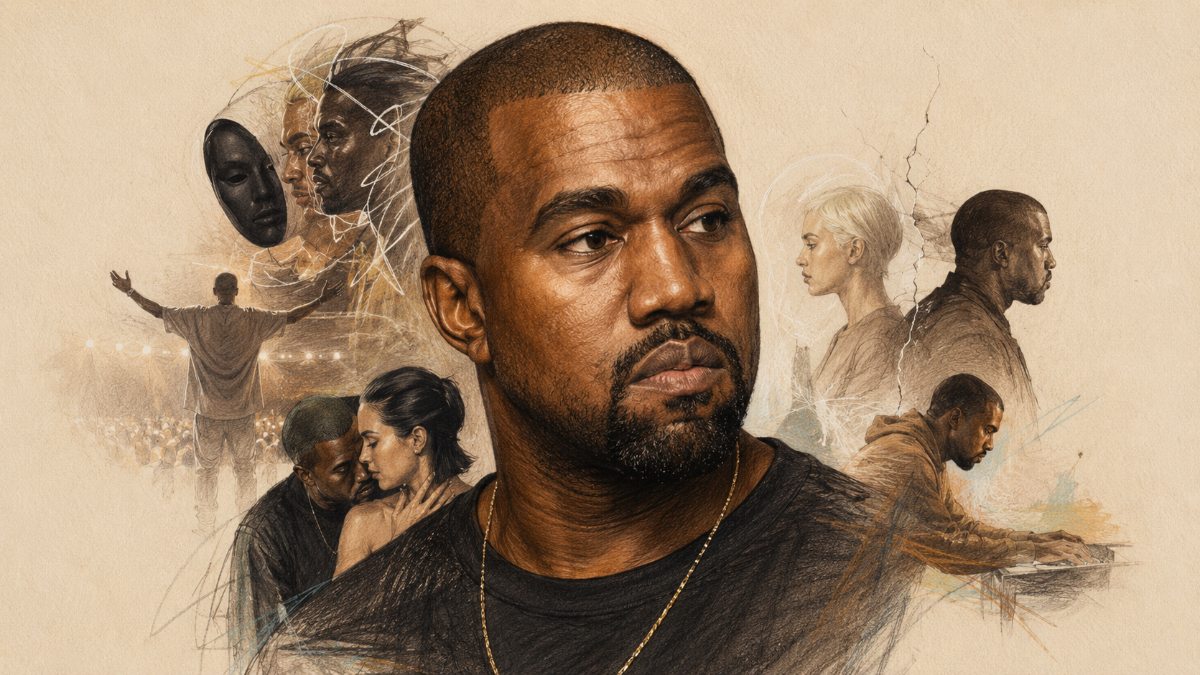
Kanye West and Bipolar Disorder: Fame, Creativity, and the Cost of Losing Control

Kanye West and Bipolar Disorder: Fame, Creativity, and the Cost of Losing Control

Blog | Psychology
Kanye West’s story reveals how talent, fame, grief, and bipolar disorder can collide. Can we recognize mental illness without excusing harmful behavior—and offer compassion without abandoning accountability?
What Amanda Bynes’s Story Teaches Us About Mental Health

What Amanda Bynes’s Story Teaches Us About Mental Health

Blog | Psychology
Rare syndromes can transform identity, perception, and trust. Amanda Bynes’s experience also reveals why diagnosing public figures from headlines is inaccurate, unfair, and potentially harmful.
Kurt Cobain: Addiction, Alienation, and the Need to Belong

Kurt Cobain: Addiction, Alienation, and the Need to Belong

Blog | Psychology
Behind Kurt Cobain’s rebellious image was a deep need for acceptance. This article explores how unstable relationships, outsider identity, addiction, and overwhelming fame shaped his emotional world.
Monica Bellucci and Vincent Cassel: The Psychology of Distance, Divorce, and Age-Gap Love

Monica Bellucci and Vincent Cassel: The Psychology of Distance, Divorce, and Age-Gap Love

Blog | Relationship
They seemed successful, independent, and deeply connected. Yet after 17 years together, their relationship ended. What can their story reveal about distance, love, and compatibility?
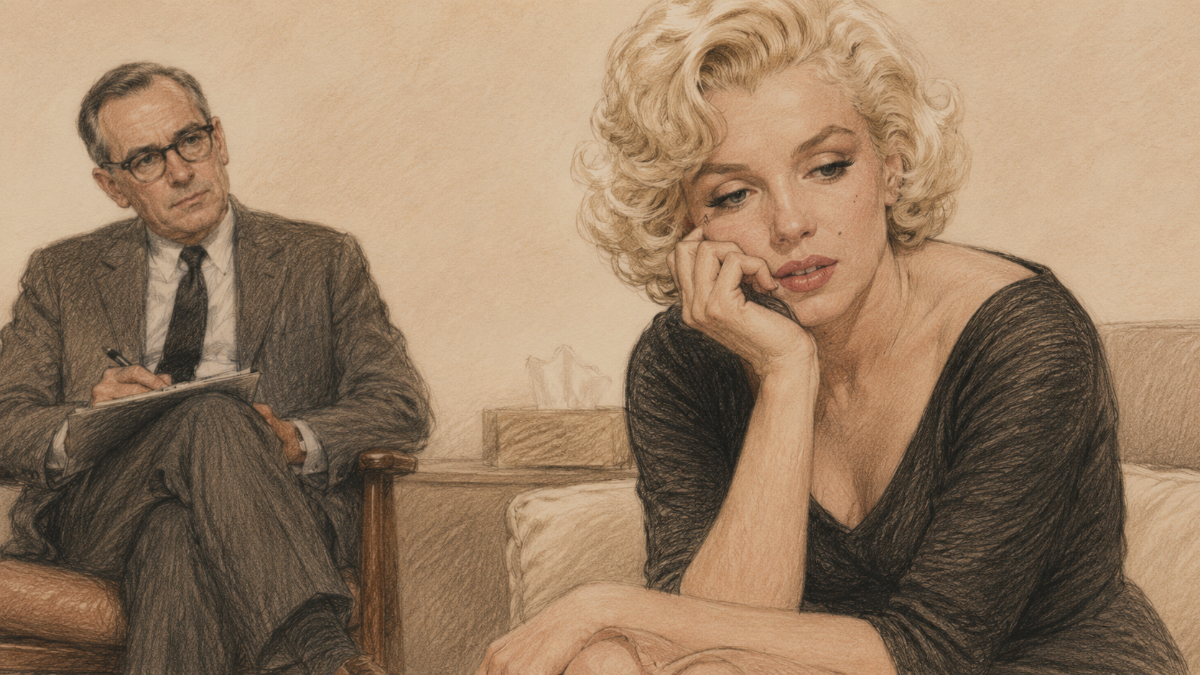
Marilyn Monroe and Her Therapist: When Boundaries Began to Blur

Marilyn Monroe and Her Therapist: When Boundaries Began to Blur

Blog | Psychotherapy
Marilyn Monroe sought safety and emotional support, but her relationship with her therapist gradually became unusually close. Her story reveals why trust, independence, and clear professional boundaries matter in therapy.
Julius Caesar’s Psychology: Ambition, Image, and the Hidden Cost of Power

Julius Caesar’s Psychology: Ambition, Image, and the Hidden Cost of Power

Article | Psychology
Caesar achieved fame, military glory, and almost unlimited authority. Yet every victory seemed to demand another. Discover the hidden emotional cost of power—and why external greatness may never bring inner security.
You need to be logged in to send messages
Login Sign up
To create your specialist profile, please log in to your account.
Login Sign up
You need to be logged in to contact us
Login Sign up
To create a new Question, please log in or create an account
Login Sign up
Share on other sites

If you are considering psychotherapy but do not know where to start, a free initial consultation is the perfect first step. It will allow you to explore your options, ask questions, and feel more confident about taking the first step towards your well-being.

It is a 30-minute, completely free meeting with a Mental Health specialist that does not obligate you to anything.

What are the benefits of a free consultation?

Who is a free consultation suitable for?

Important:

Potential benefits of a free initial consultation

During this first session: potential clients have the chance to learn more about you and your approach before agreeing to work together.

Offering a free consultation will help you build trust with the client. It shows them that you want to give them a chance to make sure you are the right person to help them before they move forward. Additionally, you should also be confident that you can support your clients and that the client has problems that you can help them cope with. Also, you can avoid any ethical difficult situations about charging a client for a session in which you choose not to proceed based on fit.

We've found that people are more likely to proceed with therapy after a free consultation, as it lowers the barrier to starting the process. Many people starting therapy are apprehensive about the unknown, even if they've had sessions before. Our culture associates a "risk-free" mindset with free offers, helping people feel more comfortable during the initial conversation with a specialist.

Another key advantage for Specialist

Specialists offering free initial consultations will be featured prominently in our upcoming advertising campaign, giving you greater visibility.


It's important to note that the initial consultation differs from a typical therapy session:

No Internet Connection It seems you’ve lost your internet connection. Please refresh your page to try again. Your message has been sent

