





All Categories
Show more

Posts about Loneliness

Loneliness: Why Feeling Alone Is Not the Same as Being Alone

Loneliness: Why Feeling Alone Is Not the Same as Being Alone

Article | Loneliness
This article explores the difference between being alone and feeling lonely. It examines the psychological causes of loneliness, its effects on mental health, and practical strategies for building meaningful connections and improving emotional well-being.
The Quiet Weight We Carry, The Art of Loneliness

The Quiet Weight We Carry, The Art of Loneliness

Article | Loneliness
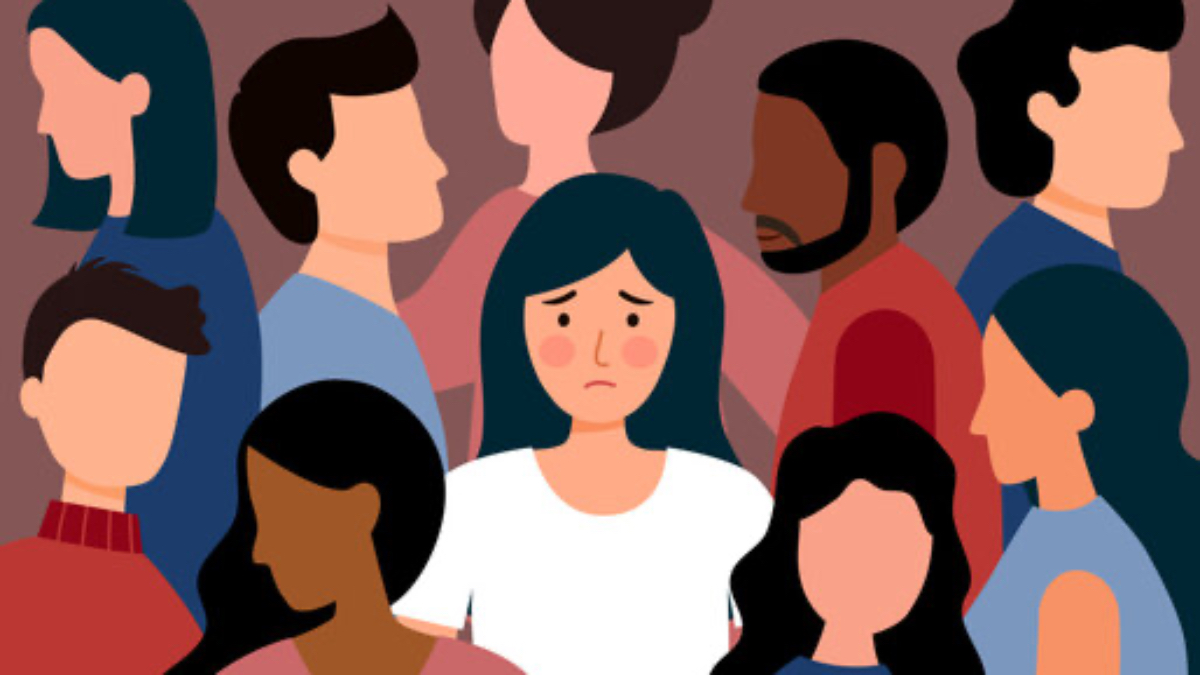
Loneliness doesn’t always look the way we expect it to. It isn’t just the image of someone sitting alone in a room or having no one to call. Often, it hides in plain sight—in crowded classrooms, busy hospitals, long contact lists, and even in relationships.
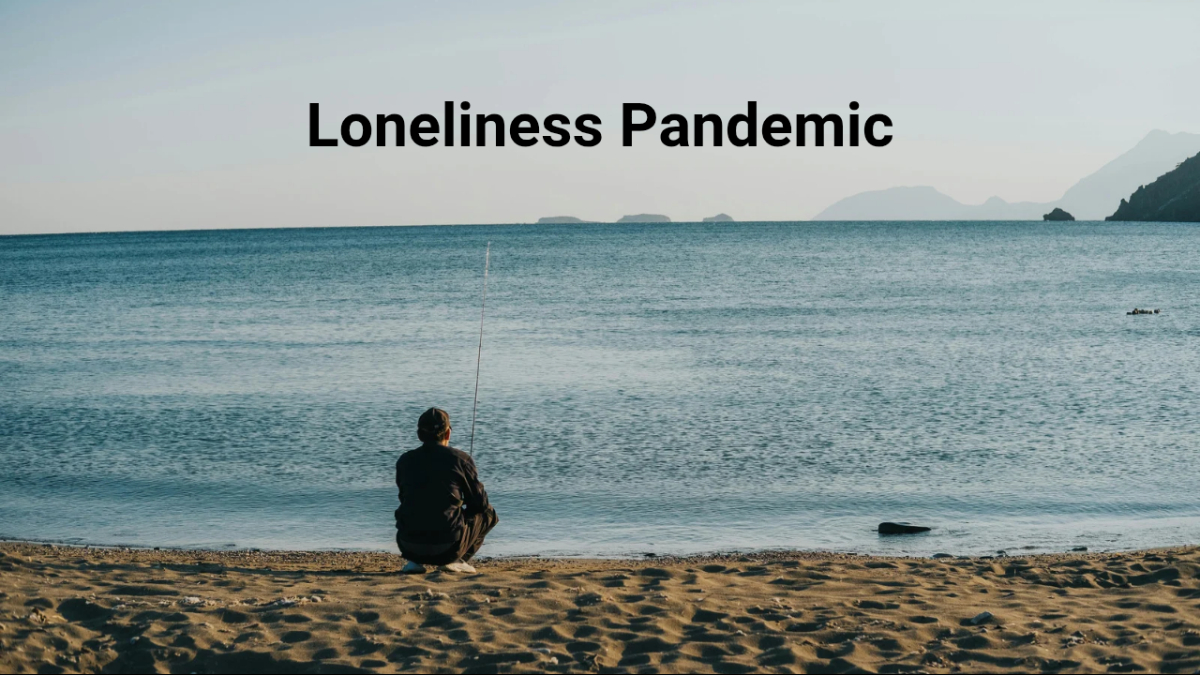
The Loneliness Pandemic: A Silent Global Crisis

The Loneliness Pandemic: A Silent Global Crisis

Article | Loneliness
Loneliness is a growing global health crisis linked to depression, anxiety, heart disease, and early mortality. Despite digital connectivity, many lack meaningful emotional bonds. Chronic isolation reshapes cognition and increases social threat perception. Addressing loneliness requires community support, open conversations, and therapeutic intervention to rebuild connection and belonging.
The Quiet Epidemic: Understanding Loneliness in a Connected World

The Quiet Epidemic: Understanding Loneliness in a Connected World

Article | Loneliness
Loneliness is increasingly common even in a world where people are more digitally connected than ever. It isn’t simply the absence of people, but the absence of deep, meaningful connection.
The Quiet Loneliness of Moving Abroad: When Home Is Left Behind

The Quiet Loneliness of Moving Abroad: When Home Is Left Behind

Article | Loneliness
Moving abroad often brings growth and opportunity, but it can also lead to a quiet, unacknowledged loneliness. Leaving behind familiar relationships, cultural belonging, and emotional safety can result in feelings of isolation, identity confusion, and grief that are difficult to name.
The Psychology of Being Single: Why More Women Choose Independence

The Psychology of Being Single: Why More Women Choose Independence

Article | Loneliness
Living alone as a woman isn't a diagnosis, nor is it some heroic achievement. It is simply one way to exist—sometimes chosen deliberately, sometimes unfolding quietly over time. It comes with real advantages and undeniable drawbacks.
The Difference Between Loneliness and Solitude

The Difference Between Loneliness and Solitude

Article | Loneliness
Solitude and loneliness are often confused, but they are very different experiences. Solitude is a conscious, voluntary choice to be alone for rest, reflection, and personal growth, and it is usually positive and restorative.
Why does solitude sometimes make us feel more like ourselves?

Why does solitude sometimes make us feel more like ourselves?

Article | Loneliness
Have you ever felt that in the quiet, when no one else is around, you suddenly become your true self? The noise of the world fades away, your thoughts become crystal clear, and everything finally seems to fall into place.
When a Bench Saves a Life: How Japan Heals Loneliness with Warmth and Concrete

When a Bench Saves a Life: How Japan Heals Loneliness with Warmth and Concrete

Article | Loneliness

The city is asleep, the temperature drops to −5 °C, and you are sitting on cold metal, feeling your body slowly betray you. It doesn’t matter whether you are homeless (though that happens too).

How Emotional Invalidation Silently Breaks Connection

How Emotional Invalidation Silently Breaks Connection

Article | Loneliness
In relationships — whether romantic partnerships, friendships, or family bonds — a fundamental psychological process underpins closeness: the sense that one is seen, heard, and understood.
You need to be logged in to send messages
Login Sign up
To create your specialist profile, please log in to your account.
Login Sign up
You need to be logged in to contact us
Login Sign up
To create a new Question, please log in or create an account
Login Sign up
Share on other sites

If you are considering psychotherapy but do not know where to start, a free initial consultation is the perfect first step. It will allow you to explore your options, ask questions, and feel more confident about taking the first step towards your well-being.

It is a 30-minute, completely free meeting with a Mental Health specialist that does not obligate you to anything.

What are the benefits of a free consultation?

Who is a free consultation suitable for?

Important:

Potential benefits of a free initial consultation

During this first session: potential clients have the chance to learn more about you and your approach before agreeing to work together.

Offering a free consultation will help you build trust with the client. It shows them that you want to give them a chance to make sure you are the right person to help them before they move forward. Additionally, you should also be confident that you can support your clients and that the client has problems that you can help them cope with. Also, you can avoid any ethical difficult situations about charging a client for a session in which you choose not to proceed based on fit.

We've found that people are more likely to proceed with therapy after a free consultation, as it lowers the barrier to starting the process. Many people starting therapy are apprehensive about the unknown, even if they've had sessions before. Our culture associates a "risk-free" mindset with free offers, helping people feel more comfortable during the initial conversation with a specialist.

Another key advantage for Specialist

Specialists offering free initial consultations will be featured prominently in our upcoming advertising campaign, giving you greater visibility.


It's important to note that the initial consultation differs from a typical therapy session:

No Internet Connection It seems you’ve lost your internet connection. Please refresh your page to try again. Your message has been sent

