


All Categories
Show more

Posts about Emotions

Sometimes the Problem Is Not That You Feel Too Much… It's That You Learned to Hide Too Much

Sometimes the Problem Is Not That You Feel Too Much… It's That You Learned to Hide Too Much

Article | Emotions
Many people grow up believing they are "too emotional." They apologize for crying, suppress their anger, hide their fears, and convince themselves that showing vulnerability is a sign of weakness. But often, the real problem isn't that they feel too much—it's that they learned they weren't allowed to feel at all.
Signs You Are Growing Emotionally (Even If Life Still Feels Messy)

Signs You Are Growing Emotionally (Even If Life Still Feels Messy)

Article | Emotions
Many people imagine healing as a destination—a place where anxiety disappears, relationships become effortless, and life finally feels calm. But emotional growth rarely looks that way.
Your Childhood May Be Showing Up in Your Adult Relationships

Your Childhood May Be Showing Up in Your Adult Relationships

Article | Emotions
Many people believe that relationship problems begin in adulthood—with the wrong partner, poor communication, or stressful life circumstances. While these factors certainly matter, psychology suggests that our earliest relationships often lay the foundation for how we connect with others later in life.
Jealousy Isn't the Problem—It's Often the Protector

Jealousy Isn't the Problem—It's Often the Protector

Article | Emotions
Jealousy is rarely the first emotion—it is often the loudest one. Behind jealousy, there is often a quieter story: the fear of being replaced, abandoned, rejected, or not feeling enough. Instead of judging yourself for feeling jealous, become curious.
When We Are Hurt, Two Parts of Us Wake Up

When We Are Hurt, Two Parts of Us Wake Up

Article | Emotions

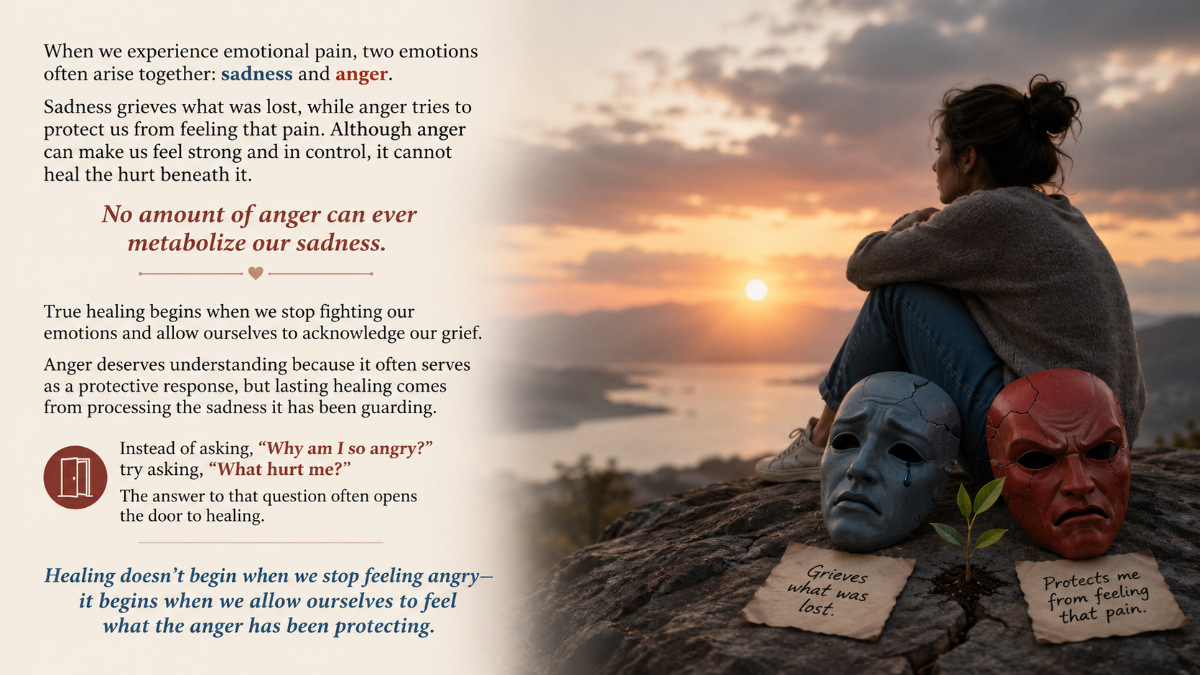
When we experience emotional pain, two emotions often arise together: sadness and anger. Sadness grieves what was lost, while anger tries to protect us from feeling that pain. Although anger can make us feel strong and in control, it cannot heal the hurt beneath it.

Love: The Most Essential Force in Life—and the Most Misunderstood

Love: The Most Essential Force in Life—and the Most Misunderstood

Article | Emotions
When people think of love, they often think of romance. But psychology teaches us that love extends far beyond relationships. It is the experience of feeling safe, accepted, understood, valued, and emotionally connected. It is the quiet reassurance that says, "You matter, exactly as you are."
Healing Is Not Always Looking Happy. Sometimes Healing Looks Like…

Healing Is Not Always Looking Happy. Sometimes Healing Looks Like…

Article | Emotions

I love this topic because it gently challenges the unrealistic expectation that healing should always look positive or linear

Why Do We Overthink More at Night? The Psychology Behind a Busy Mind

Why Do We Overthink More at Night? The Psychology Behind a Busy Mind

Article | Emotions
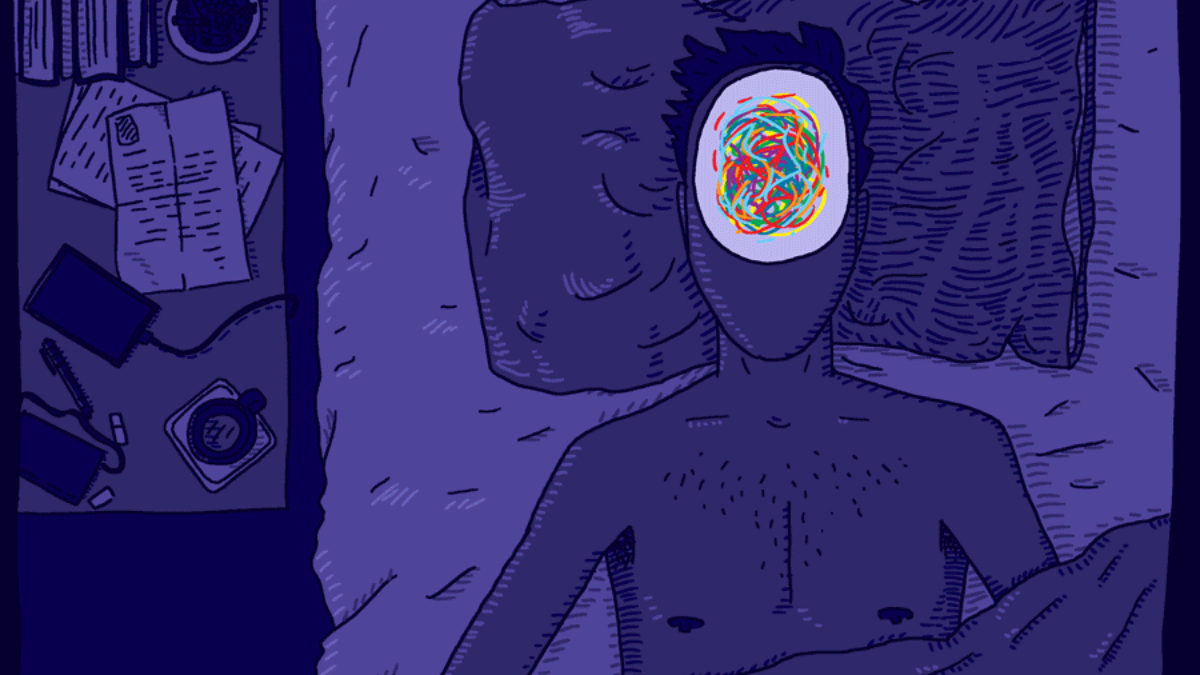
Why do we overthink more at night? As the day ends and distractions fade, our brain naturally shifts its attention inward, processing unresolved thoughts, emotions, and experiences. Mental fatigue can also make worries feel more intense, causing us to replay conversations, question decisions, or imagine worst-case scenarios. Understanding that these thoughts are a normal part of how the brain processes information—not necessarily facts—can help us respond with greater self-compassion. Rather than trying to solve every thought at bedtime, learning healthier ways to relate to our thoughts can improve both emotional well-being and sleep.
“I'm Fine ” — The Five Meanings This Simple Sentence Can Hide

“I'm Fine ” — The Five Meanings This Simple Sentence Can Hide

Article | Emotions
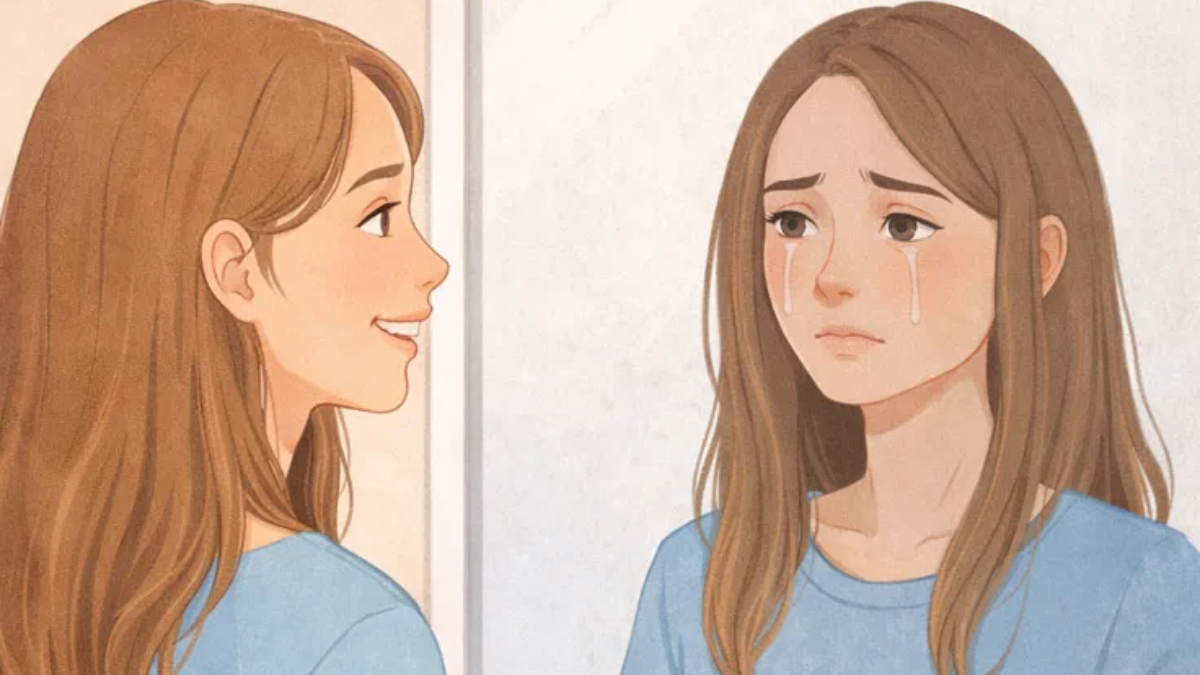
"I'm fine." It’s one of the most common phrases we hear—and say. But behind these two simple words can lie emotions that are difficult to express: confusion, exhaustion, fear, loneliness, or the desire not to burden others. This article explores five hidden meanings behind "I'm fine" through a psychological lens, explaining why people often suppress their emotions and how creating a safe, non-judgmental space can encourage genuine emotional expression. Sometimes, the most important conversations begin when we look beyond the words.
Not everything that is imperfect is defective.

Not everything that is imperfect is defective.

Article | Emotions
Not everything has to be perfect to have value. Black-and-white thinking makes us believe that anything less than perfect is a failure, but life exists in between extremes. Accepting “good enough” means recognizing imperfections without judging ourselves harshly. A person, effort, job, or life can have flaws and still be meaningful, beautiful, and successful. Perfection can hold us back, while acceptance helps us grow and move forward.
You need to be logged in to send messages
Login Sign up
To create your specialist profile, please log in to your account.
Login Sign up
You need to be logged in to contact us
Login Sign up
To create a new Question, please log in or create an account
Login Sign up
Share on other sites

If you are considering psychotherapy but do not know where to start, a free initial consultation is the perfect first step. It will allow you to explore your options, ask questions, and feel more confident about taking the first step towards your well-being.

It is a 30-minute, completely free meeting with a Mental Health specialist that does not obligate you to anything.

What are the benefits of a free consultation?

Who is a free consultation suitable for?

Important:

Potential benefits of a free initial consultation

During this first session: potential clients have the chance to learn more about you and your approach before agreeing to work together.

Offering a free consultation will help you build trust with the client. It shows them that you want to give them a chance to make sure you are the right person to help them before they move forward. Additionally, you should also be confident that you can support your clients and that the client has problems that you can help them cope with. Also, you can avoid any ethical difficult situations about charging a client for a session in which you choose not to proceed based on fit.

We've found that people are more likely to proceed with therapy after a free consultation, as it lowers the barrier to starting the process. Many people starting therapy are apprehensive about the unknown, even if they've had sessions before. Our culture associates a "risk-free" mindset with free offers, helping people feel more comfortable during the initial conversation with a specialist.

Another key advantage for Specialist

Specialists offering free initial consultations will be featured prominently in our upcoming advertising campaign, giving you greater visibility.


It's important to note that the initial consultation differs from a typical therapy session:

No Internet Connection It seems you’ve lost your internet connection. Please refresh your page to try again. Your message has been sent