






All Categories
Show more

Posts

Stress vs. Burnout: A Professional Guide to the Corporate Triad

Stress vs. Burnout: A Professional Guide to the Corporate Triad

Blog | Other
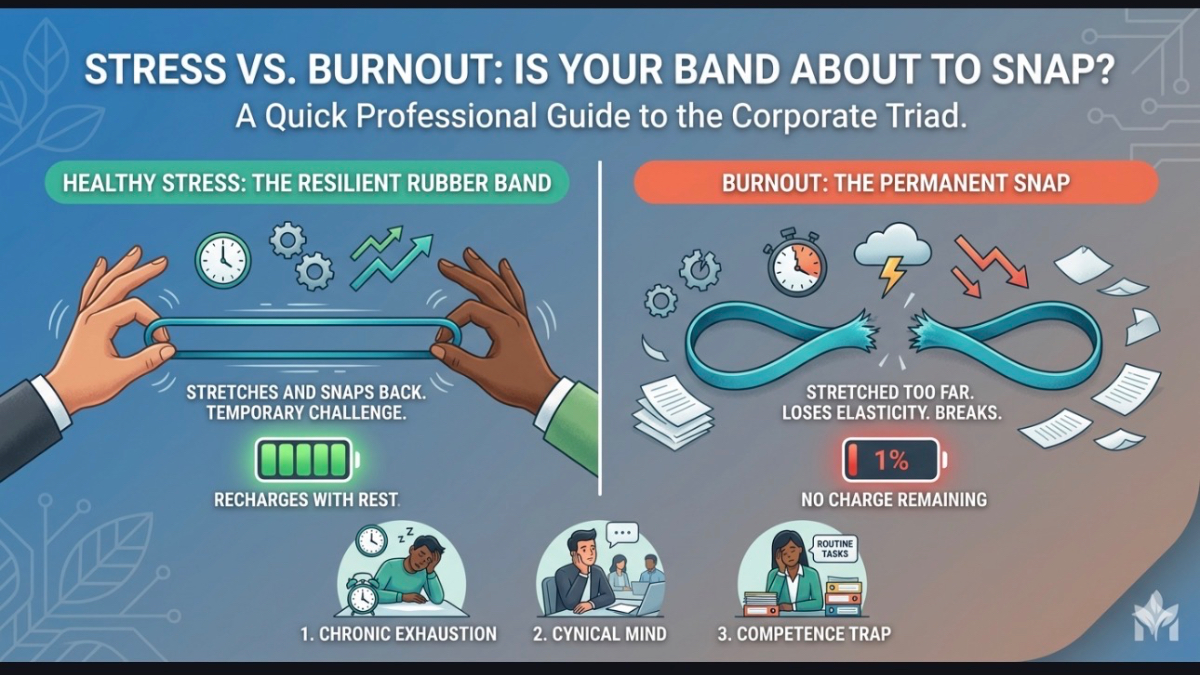
Is your professional drive pushing you toward a systemic shutdown? In her latest psychological work, clinical psychologist Salma Ashraf reveals the "Corporate Triad" of executive burnout through a powerful, everyday lens: a smartphone battery and a rubber band. This actionable guide exposes how high-achievers silently deplete their internal reserves, offering crisp Cognitive Behavioral Therapy (CBT) strategies to audit energy leaks, establish non-negotiable boundaries, and safely restore your baseline before your system snaps.
How to Feel Better When You’re in an Emotional Slump

How to Feel Better When You’re in an Emotional Slump

Blog | Self-care
Feeling emotionally drained, unmotivated, or stuck? These simple mental health steps can help you regain a sense of control, calm your mind, and slowly feel like yourself again.
How to Find Purpose in Life Without Forcing Yourself

How to Find Purpose in Life Without Forcing Yourself

Blog | Life
Feeling lost does not mean you are broken. This article explains why you may have lost touch with your desires and how small, honest steps can help you understand what you truly want.
Developing Healthier Ways to Manage Work Stress

Developing Healthier Ways to Manage Work Stress

Blog | Stress
Managing work stress effectively requires a combination of physical, emotional, cognitive, and social coping strategies.
Has your teenager stopped talking to you? A Gestalt Therapy Perspective

Has your teenager stopped talking to you? A Gestalt Therapy Perspective

Blog | Adolescent psychology
Watching your child become a teenager can be both wonderful and challenging. As they search for their own identities, conversations may become less frequent, leaving parents wondering how to stay connected. From a Gestalt therapy perspective, meaningful dialogue begins not with the perfect words, but with presence, curiosity, and trust. When adolescents feel safe sharing their experiences and are trusted to grow through them, they are more likely to keep the door to communication open.
How to Calm Your Mind Quickly When You Feel Overwhelmed

How to Calm Your Mind Quickly When You Feel Overwhelmed

Blog | Experiencing a crisis
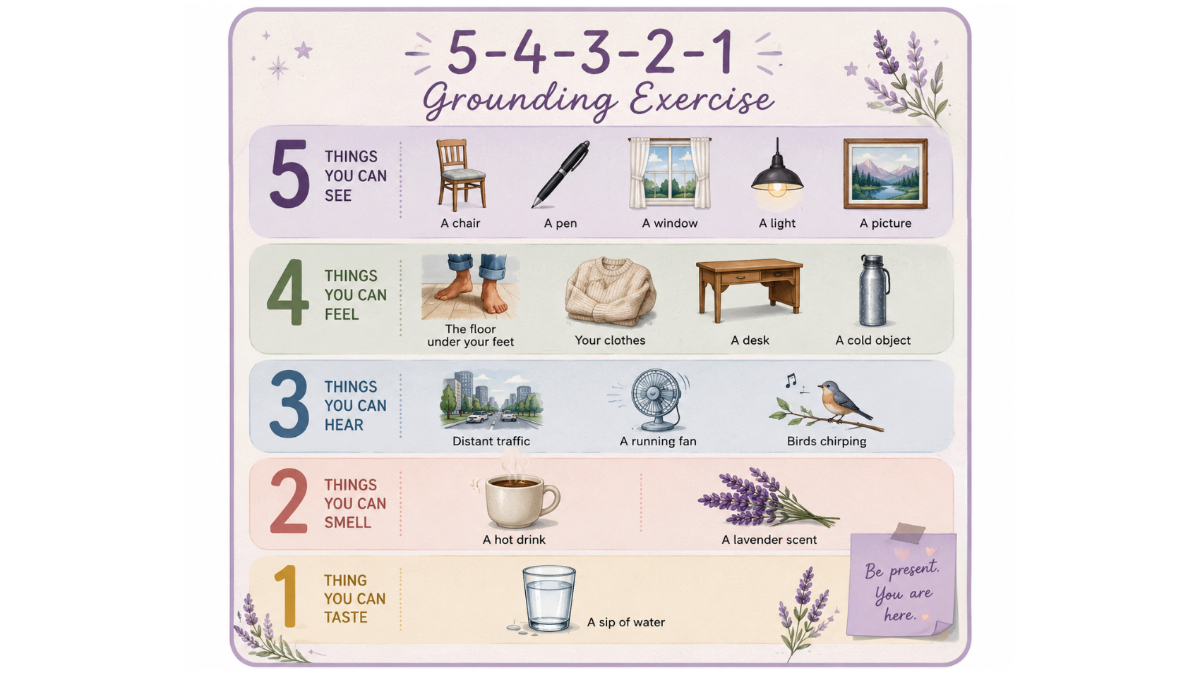
When stress hits, your mind can start racing and your body can feel tense. Trying to "just calm down" rarely works in the moment. This short guide introduces the 5-4-3-2-1 Grounding Method—a simple, professional tool that uses your five physical senses to quickly interrupt the stress loop and bring your mind back to peace. Read the full article to learn exactly how to use it today.
When Helping Others Becomes Exhausting

When Helping Others Becomes Exhausting

Blog | Burnout
Psychologists spend their days supporting others through pain, loss, and emotional challenges—but who supports the psychologist? In this blog, I reflect on professional burnout, its early warning signs, and why caring for your own emotional well-being is not a luxury but an essential part of ethical and effective therapeutic practice.
The Coffee Bean Effect: Finding Stability Through Difficult Days

The Coffee Bean Effect: Finding Stability Through Difficult Days

Blog | Burnout
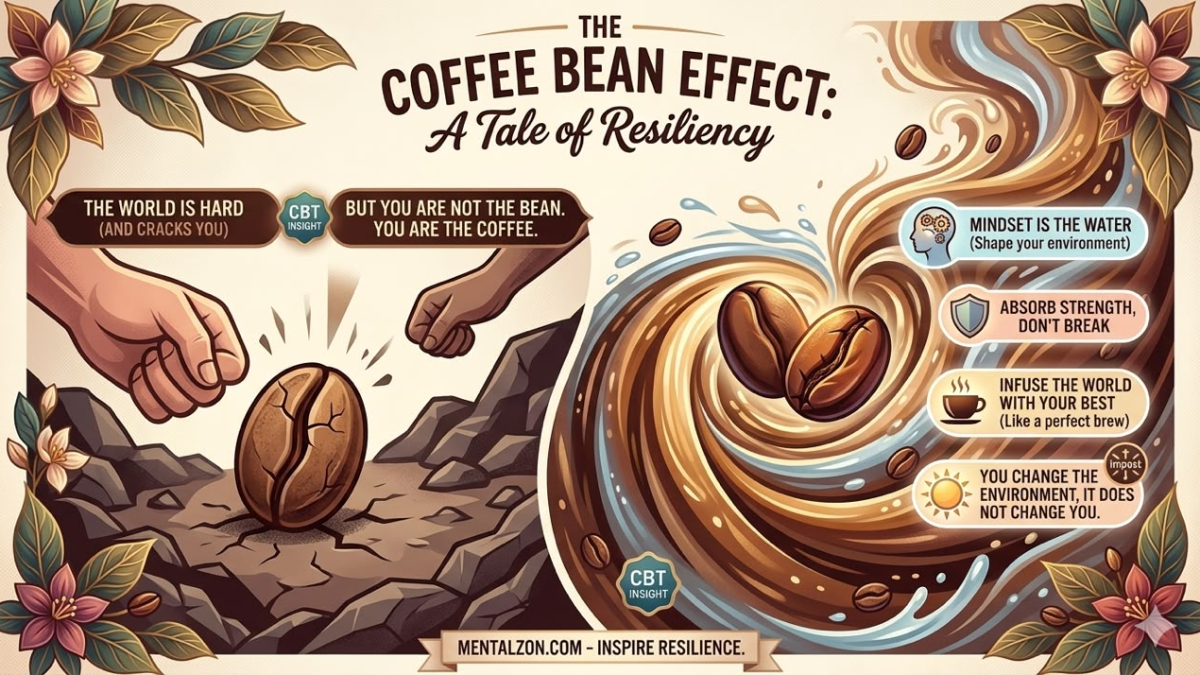
Discover how a simple psychological shift can transform your emotional response to life's hardest challenges from the inside out.
Red Flags in Relationships: Signs You Shouldn't Ignore

Red Flags in Relationships: Signs You Shouldn't Ignore

Blog | Relationship
Every relationship has disagreements and challenges. However, some patterns can indicate deeper concerns that may affect your emotional well-being.
Why Purpose in Life Matters for Mental Health and Healthy Aging

Why Purpose in Life Matters for Mental Health and Healthy Aging

Blog | Mental health
Purpose in life is not only about success. It can shape motivation, emotional strength, and the way we look at the future. This article explains why meaningful goals may help us feel more alive at any age.
You need to be logged in to send messages
Login Sign up
To create your specialist profile, please log in to your account.
Login Sign up
You need to be logged in to contact us
Login Sign up
To create a new Question, please log in or create an account
Login Sign up
Share on other sites

If you are considering psychotherapy but do not know where to start, a free initial consultation is the perfect first step. It will allow you to explore your options, ask questions, and feel more confident about taking the first step towards your well-being.

It is a 30-minute, completely free meeting with a Mental Health specialist that does not obligate you to anything.

What are the benefits of a free consultation?

Who is a free consultation suitable for?

Important:

Potential benefits of a free initial consultation

During this first session: potential clients have the chance to learn more about you and your approach before agreeing to work together.

Offering a free consultation will help you build trust with the client. It shows them that you want to give them a chance to make sure you are the right person to help them before they move forward. Additionally, you should also be confident that you can support your clients and that the client has problems that you can help them cope with. Also, you can avoid any ethical difficult situations about charging a client for a session in which you choose not to proceed based on fit.

We've found that people are more likely to proceed with therapy after a free consultation, as it lowers the barrier to starting the process. Many people starting therapy are apprehensive about the unknown, even if they've had sessions before. Our culture associates a "risk-free" mindset with free offers, helping people feel more comfortable during the initial conversation with a specialist.

Another key advantage for Specialist

Specialists offering free initial consultations will be featured prominently in our upcoming advertising campaign, giving you greater visibility.


It's important to note that the initial consultation differs from a typical therapy session:

No Internet Connection It seems you’ve lost your internet connection. Please refresh your page to try again. Your message has been sent