Understanding Abuse and Violence in Relationships and Families


What Is Abuse?

Abuse is a pattern of behavior used by one person to gain and maintain power and control over another. It often escalates over time and can take many forms:

1. Physical Abuse

Any intentional use of physical force that causes injury or harm, including:

  • Hitting, slapping, punching, kicking
  • Choking or restraining
  • Throwing objects
  • Using weapons

2. Emotional and Psychological Abuse

Behaviors that undermine a person’s self-worth, confidence, and emotional well-being:

  • Insults, humiliation, and constant criticism
  • Threats and intimidation
  • Gaslighting (manipulating someone into doubting their reality)
  • Isolation from friends and family
  • Controlling behavior and excessive jealousy

3. Verbal Abuse

Patterns of harmful communication such as:

  • Yelling and screaming
  • Name-calling
  • Mocking or belittling
  • Threatening language

4. Sexual Abuse

Any sexual activity without clear, voluntary consent:

  • Coercion or pressure
  • Forced sexual acts
  • Reproductive control
  • Exploitation

5. Financial Abuse

Control over a person’s economic independence:

  • Restricting access to money
  • Preventing employment or education
  • Stealing or controlling income
  • Creating financial dependence

6. Digital Abuse

Using technology to control, stalk, or intimidate:

  • Monitoring messages or social media
  • Tracking location without consent
  • Sending threats or harassment online
[Image of Cycle of Abuse diagram showing tension building, incident, reconciliation, and calm phases]

The Cycle of Abuse

Abusive relationships often follow a repeating pattern known as the cycle of abuse:

  • Tension Building – Stress, criticism, and emotional distance increase
  • Incident – An episode of abuse occurs
  • Reconciliation – Apologies, excuses, promises to change
  • Calm – Temporary peace before tension rebuilds

This cycle can make it difficult for victims to leave, especially when emotional attachment and hope for change are involved.

Effects of Abuse on Individuals and Families

Abuse can have long-term physical, emotional, and psychological consequences, including:

  • Anxiety, depression, and post-traumatic stress disorder (PTSD)
  • Low self-esteem and self-blame
  • Sleep disorders and chronic stress
  • Substance abuse
  • Difficulty forming healthy relationships
  • Academic and behavioral problems in children

Children who witness domestic violence are also affected, even if they are not directly abused.

Warning Signs of an Abusive Relationship

Some common red flags include:

  • Extreme jealousy or possessiveness
  • Controlling behavior (who you see, where you go, what you wear)
  • Constant criticism or humiliation
  • Explosive anger
  • Isolation from support systems
  • Blaming the victim for their behavior

Healthy Relationships vs. Abusive Relationships

A healthy relationship is built on:

  • Respect
  • Trust
  • Open communication
  • Equality
  • Emotional safety
  • Mutual support

Abuse thrives on control, fear, and silence.

Seeking Help and Support

No one deserves to be abused. Support is available, and help can make a difference.

If you or someone you know is experiencing abuse:

  • Reach out to a trusted friend, family member, or professional
  • Contact a licensed therapist or counselor
  • Call a domestic violence hotline or local support organization
  • In emergencies, contact local emergency services

Breaking the Silence

Talking about abuse is the first step toward breaking the cycle. Education, awareness, and community support play a vital role in prevention and healing.

Everyone deserves to live in safety, dignity, and respect.

Art Therapist, Counseling Psychologist, Life Coach and Marriage ... Show more
(ABPP, MA, PhD and PsyD)
Dr.Brian
Art Therapist, Counseling Psychologist, Life Coach and Marriage ... Show more
(ABPP, MA, PhD and PsyD)

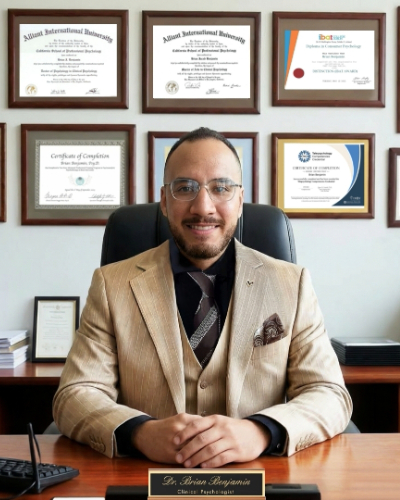
I am a licensed Doctor of Clinical Psychology with over 20 years of professional experience providing compassionate, evidence-based mental health care to individuals, couples, and families. I offer therapy services in both English and Spanish, allowing me to support a diverse international client population.

I hold both a Master’s degree and a Doctorate in Psychology from Alliant University, along with a Diploma in Consumer Psychology from IBAT College in Dublin. I have also completed specialized training including a Certificate in Mentor Co ...

Years in Practice
20 years
Posts
Free Initial Consultation
$40 - $100 USD
$57780 - $144449 ARS $57 - $142 AUD $208 - $520 BRL $54 - $135 CAD ¥278 - ¥695 CNY €33 - €83 EUR ₹3682 - ₹9204 INR $687 - $1717 MXN $66 - $165 NZD £29 - £72 GBP ₴1709 - ₴4272 UAH $40 - $100 USD
 Long Beach, 90815,
California, United States
Long Beach, 90815, California, United States
Online

I am a licensed Doctor of Clinical Psychology with over 20 years of professional experience providing compassionate, evidence-based mental health care to individuals, couples, and families. I offer therapy services in both English and Spanish, allowing me to support a diverse international client population.

I hold both a Master’s degree and a Doctorate in Psychology from Alliant University, along with a Diploma in Consumer Psychology from IBAT College in Dublin. I have also completed specialized training including a Certificate in Mentor Co ...

Years in Practice
20 years
Posts
Free Initial Consultation
You need to be logged in to send messages
Login Sign up
To create your specialist profile, please log in to your account.
Login Sign up
You need to be logged in to contact us
Login Sign up
To create a new Question, please log in or create an account
Login Sign up
Share on other sites

If you are considering psychotherapy but do not know where to start, a free initial consultation is the perfect first step. It will allow you to explore your options, ask questions, and feel more confident about taking the first step towards your well-being.

It is a 30-minute, completely free meeting with a Mental Health specialist that does not obligate you to anything.

What are the benefits of a free consultation?

Who is a free consultation suitable for?

Important:

Potential benefits of a free initial consultation

During this first session: potential clients have the chance to learn more about you and your approach before agreeing to work together.

Offering a free consultation will help you build trust with the client. It shows them that you want to give them a chance to make sure you are the right person to help them before they move forward. Additionally, you should also be confident that you can support your clients and that the client has problems that you can help them cope with. Also, you can avoid any ethical difficult situations about charging a client for a session in which you choose not to proceed based on fit.

We've found that people are more likely to proceed with therapy after a free consultation, as it lowers the barrier to starting the process. Many people starting therapy are apprehensive about the unknown, even if they've had sessions before. Our culture associates a "risk-free" mindset with free offers, helping people feel more comfortable during the initial conversation with a specialist.

Another key advantage for Specialist

Specialists offering free initial consultations will be featured prominently in our upcoming advertising campaign, giving you greater visibility.

It's important to note that the initial consultation differs from a typical therapy session:

No Internet Connection It seems you’ve lost your internet connection. Please refresh your page to try again. Your message has been sent