


Author: Louise Williams

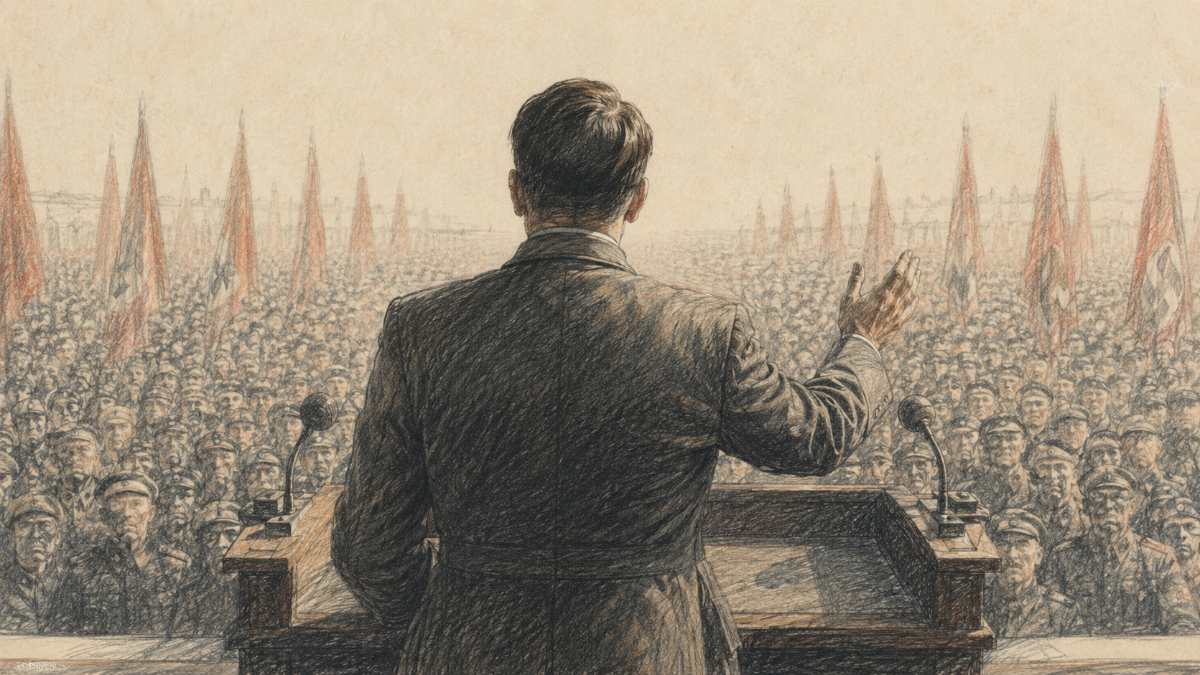
Was Hitler Mentally Ill—or Simply Driven by Power?

Was Hitler Mentally Ill—or Simply Driven by Power?

Article | Psychology
Can psychology explain Hitler’s cruelty without excusing it? Explore how personality, humiliation, ideology, social crisis, and propaganda combined to create destructive power.
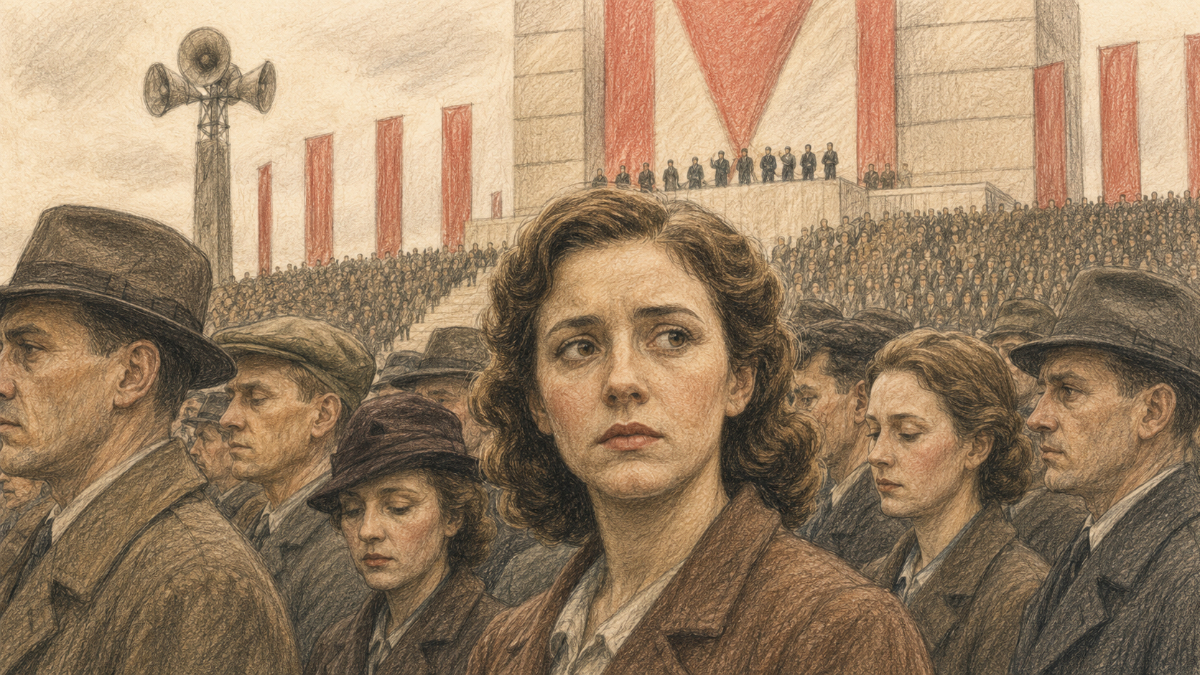
The Psychology of Nazi Propaganda: Why Ordinary People Complied

The Psychology of Nazi Propaganda: Why Ordinary People Complied

Article | Psychology
How can propaganda persuade ordinary people to tolerate injustice? This article explores obedience, dehumanization, moral disengagement, and the gradual loss of personal responsibility.
South Korea’s Beauty Standards and Mental Health: The Hidden Cost of Perfection

South Korea’s Beauty Standards and Mental Health: The Hidden Cost of Perfection

Article | Psychology
Beauty can inspire confidence, but what happens when it becomes a social requirement? Explore how strict appearance standards, competition, and fear of judgment can affect mental health in South Korea.
The Psychology of Modern Japan: Conformity, Hikikomori, Bullying, and Karoshi

The Psychology of Modern Japan: Conformity, Hikikomori, Bullying, and Karoshi

Article | Psychology
Japan is admired for order, discipline, and social harmony. But behind this calm image, many people face pressure to conform, hide emotions, and work beyond healthy limits.
Angelina Jolie: Trauma, Resilience, and the Power to Change

Angelina Jolie: Trauma, Resilience, and the Power to Change

Blog | Mental health
Behind Angelina Jolie’s fame lies a complex story of emotional pain, difficult choices, resilience, and purpose. Her life shows that the past can leave scars without deciding the future.
You need to be logged in to send messages
Login Sign up
To create your specialist profile, please log in to your account.
Login Sign up
You need to be logged in to contact us
Login Sign up
To create a new Question, please log in or create an account
Login Sign up
Share on other sites

If you are considering psychotherapy but do not know where to start, a free initial consultation is the perfect first step. It will allow you to explore your options, ask questions, and feel more confident about taking the first step towards your well-being.

It is a 30-minute, completely free meeting with a Mental Health specialist that does not obligate you to anything.

What are the benefits of a free consultation?

Who is a free consultation suitable for?

Important:

Potential benefits of a free initial consultation

During this first session: potential clients have the chance to learn more about you and your approach before agreeing to work together.

Offering a free consultation will help you build trust with the client. It shows them that you want to give them a chance to make sure you are the right person to help them before they move forward. Additionally, you should also be confident that you can support your clients and that the client has problems that you can help them cope with. Also, you can avoid any ethical difficult situations about charging a client for a session in which you choose not to proceed based on fit.

We've found that people are more likely to proceed with therapy after a free consultation, as it lowers the barrier to starting the process. Many people starting therapy are apprehensive about the unknown, even if they've had sessions before. Our culture associates a "risk-free" mindset with free offers, helping people feel more comfortable during the initial conversation with a specialist.

Another key advantage for Specialist

Specialists offering free initial consultations will be featured prominently in our upcoming advertising campaign, giving you greater visibility.


It's important to note that the initial consultation differs from a typical therapy session:

No Internet Connection It seems you’ve lost your internet connection. Please refresh your page to try again. Your message has been sent

