



All Categories
Show more

Posts about Child psychology

Beyond the Behaviour: Understanding Sensory Overload in Children

Beyond the Behaviour: Understanding Sensory Overload in Children

Article | Child psychology
Behavioural outbursts in children are often mislabelled as stubbornness when they are actually signs of sensory overload. This article explores how parents can spot early environmental triggers and help children regulate their nervous systems.
Building Resilience in Neurodivergent Children: Practical Strategies for Parents and Educators

Building Resilience in Neurodivergent Children: Practical Strategies for Parents and Educators

Article | Child psychology
Supporting children with ADHD, Autism, and learning differences requires moving away from rigid checklists and toward strength-based strategies. This article explores how structured routines, multisensory tools, and empathetic communication foster emotional resilience and academic growth. Learn practical, on-the-ground approaches to empower neurodivergent learners at home and in the classroom.
ADHD in Children: Symptoms, School Problems, and What Actually Helps

ADHD in Children: Symptoms, School Problems, and What Actually Helps

Article | Child psychology
Constant movement, forgotten homework, interruptions, and endless reminders can look like bad behavior. But ADHD affects attention and impulse control. Understanding the difference can change how adults help a child.
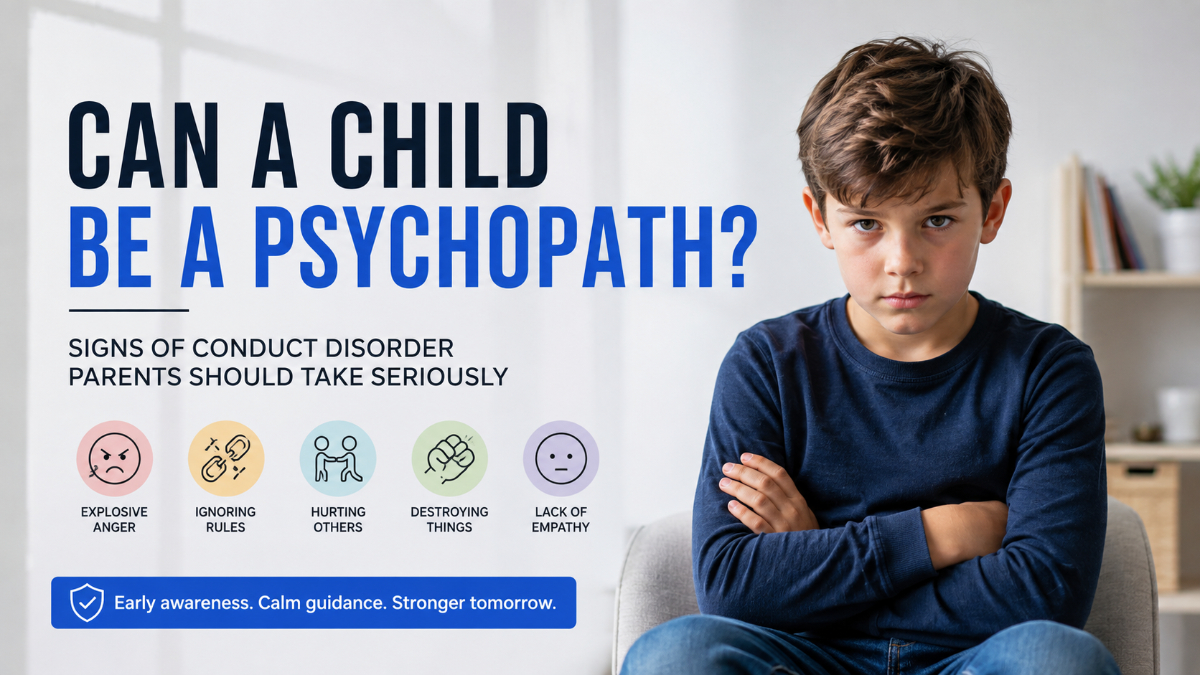
Can a Child Be a Psychopath? What Parents Should Know

Can a Child Be a Psychopath? What Parents Should Know

Article | Child psychology
Children are not diagnosed as “psychopaths,” but some persistent behaviors deserve attention. Learn which warning signs matter, what conduct disorder means, and why early support can change a child’s future.
Child Behavior Problems: When Is It a Phase and When Is It a Disorder?

Child Behavior Problems: When Is It a Phase and When Is It a Disorder?

Article | Child psychology
Every child argues, gets angry, or tests limits sometimes. But when does difficult behavior become something more? Learn how to recognize the difference between normal development and a behavioral disorder.
Schizophrenia in Children: Early Signs, Symptoms, and When to Seek Help

Schizophrenia in Children: Early Signs, Symptoms, and When to Seek Help

Article | Child psychology
Schizophrenia is rare in children, but significant changes in thinking, emotions, or behavior should not be ignored. Learn which warning signs deserve attention and when professional evaluation may be needed.
Why Does My Child Feel Sick When Tests Are Normal?

Why Does My Child Feel Sick When Tests Are Normal?

Article | Child psychology
When medical tests find no clear cause but a child still feels unwell, stress and anxiety may be part of the picture. Understanding that connection can help parents find the right support.
What Is a Psychoneurologist? Understanding Child Psychiatry and Neurology

What Is a Psychoneurologist? Understanding Child Psychiatry and Neurology

Article | Child psychology
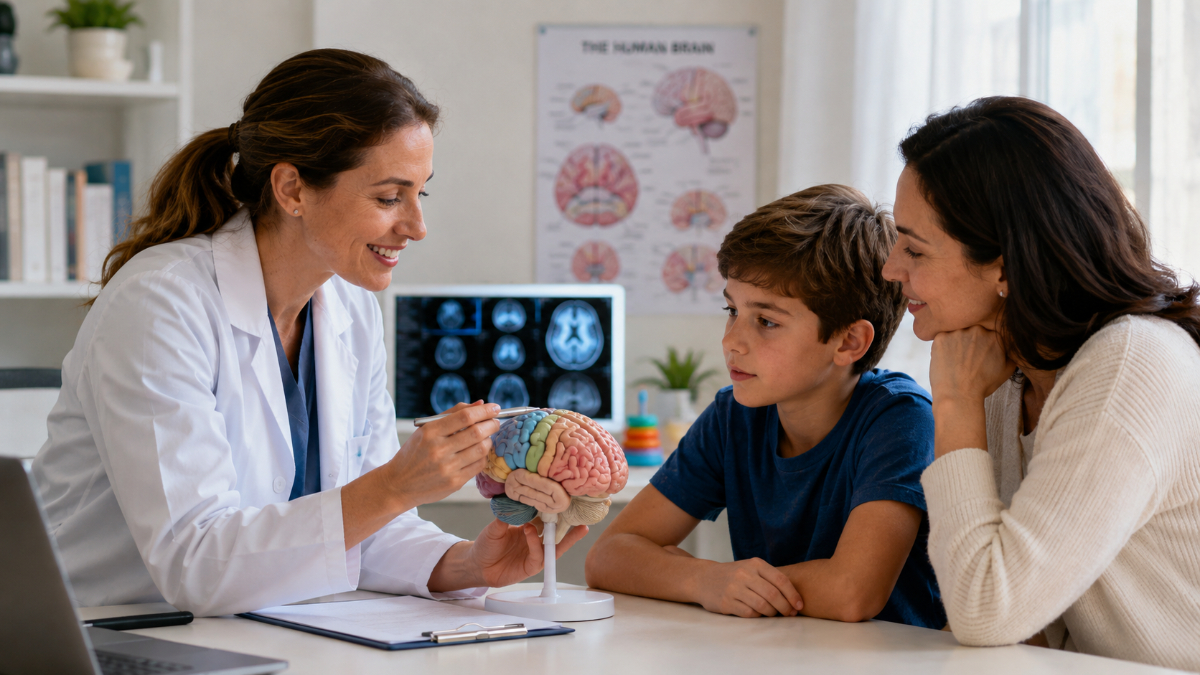
“Psychoneurologist” isn’t a standard U.S. medical specialty. Learn how child psychiatrists, neurologists, and developmental specialists differ—and which one may be right for your child.
How to Tell Your Parents About Self-Harm

How to Tell Your Parents About Self-Harm

Article | Child psychology
Telling your parents about self-harm can feel frightening. Learn how to start the conversation, prepare for different reactions, and ask for the support you need without having to explain everything perfectly.
Understanding Developmental Delay: Why Early Recognition Matters

Understanding Developmental Delay: Why Early Recognition Matters

Article | Child psychology
Developmental delay means that a child is learning new skills more slowly than expected for their age. It can affect movement, speech, learning, social interaction, or everyday activities. Every child develops at a different pace, but ongoing delays should be assessed early so the child can receive the right support.
You need to be logged in to send messages
Login Sign up
To create your specialist profile, please log in to your account.
Login Sign up
You need to be logged in to contact us
Login Sign up
To create a new Question, please log in or create an account
Login Sign up
Share on other sites

If you are considering psychotherapy but do not know where to start, a free initial consultation is the perfect first step. It will allow you to explore your options, ask questions, and feel more confident about taking the first step towards your well-being.

It is a 30-minute, completely free meeting with a Mental Health specialist that does not obligate you to anything.

What are the benefits of a free consultation?

Who is a free consultation suitable for?

Important:

Potential benefits of a free initial consultation

During this first session: potential clients have the chance to learn more about you and your approach before agreeing to work together.

Offering a free consultation will help you build trust with the client. It shows them that you want to give them a chance to make sure you are the right person to help them before they move forward. Additionally, you should also be confident that you can support your clients and that the client has problems that you can help them cope with. Also, you can avoid any ethical difficult situations about charging a client for a session in which you choose not to proceed based on fit.

We've found that people are more likely to proceed with therapy after a free consultation, as it lowers the barrier to starting the process. Many people starting therapy are apprehensive about the unknown, even if they've had sessions before. Our culture associates a "risk-free" mindset with free offers, helping people feel more comfortable during the initial conversation with a specialist.

Another key advantage for Specialist

Specialists offering free initial consultations will be featured prominently in our upcoming advertising campaign, giving you greater visibility.


It's important to note that the initial consultation differs from a typical therapy session:

No Internet Connection It seems you’ve lost your internet connection. Please refresh your page to try again. Your message has been sent

