




All Categories
Show more

Posts about Psychology

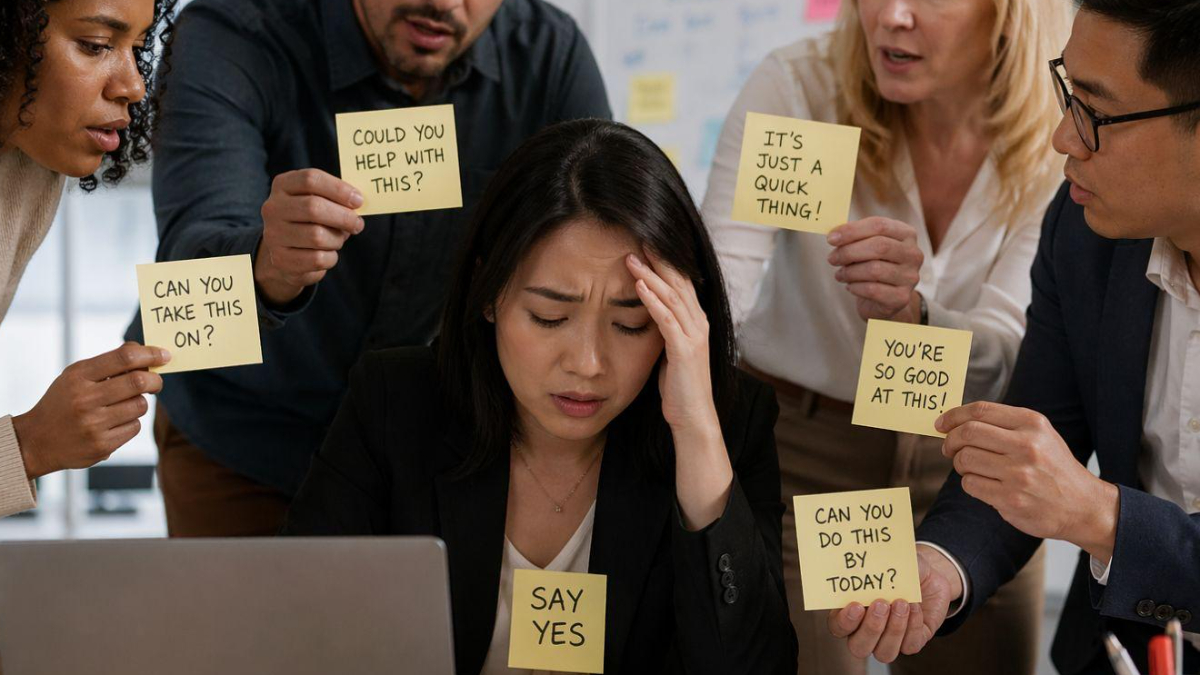
Why Does Saying ‘No’ Make You Feel Guilty?

Why Does Saying ‘No’ Make You Feel Guilty?

Article | Psychology
Why can one tiny word — “no” — make you feel like a terrible person? If you often agree to things you don't want to do and then feel exhausted or resentful, you may be caught in a people-pleasing pattern. This article explores why saying no can trigger guilt and how you can begin setting boundaries without believing that taking care of yourself makes you selfish.
Am I in Love, or Am I Just Attached?

Am I in Love, or Am I Just Attached?

Article | Psychology
Do you love them, or are you afraid of losing them? Sometimes intense feelings can make it difficult to tell the difference between love, attachment, and fear of being without someone. This article explores the difference and offers practical ways to understand your relationship while staying connected to yourself.
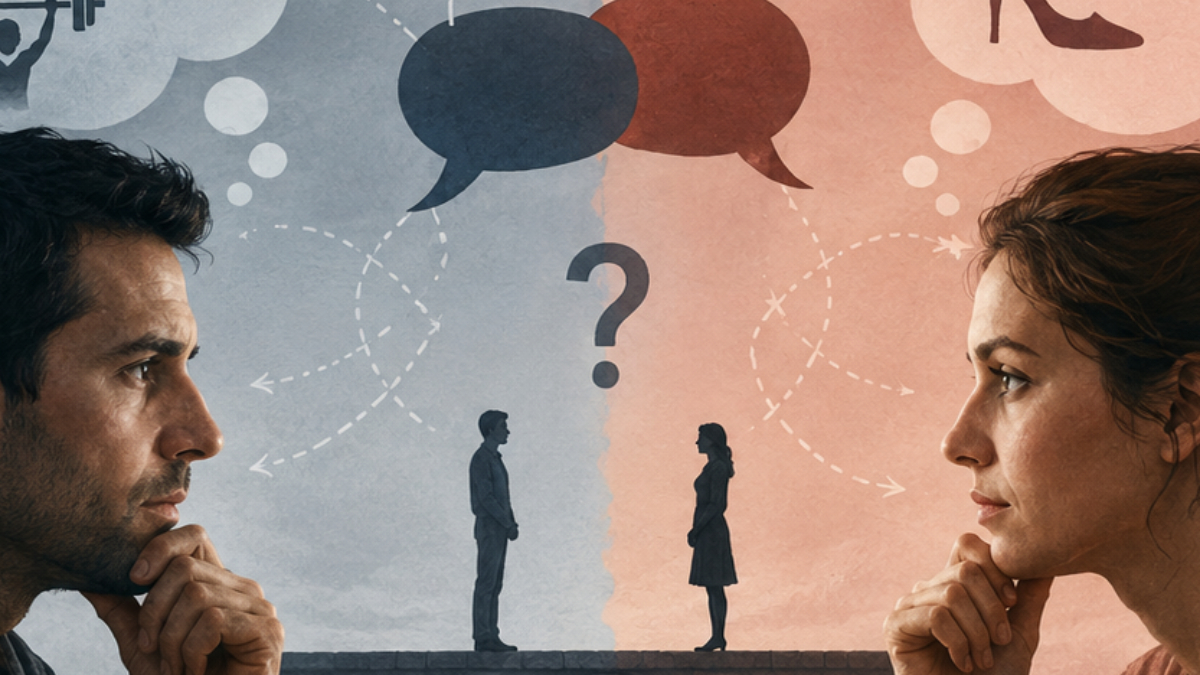
Men and Women: Strangers to One Another?

Men and Women: Strangers to One Another?

Article | Psychology
Men and women can sometimes seem like strangers to one another because each person experiences desire, vulnerability, and relationships through their own subjective world and the cultural expectations they have internalised.
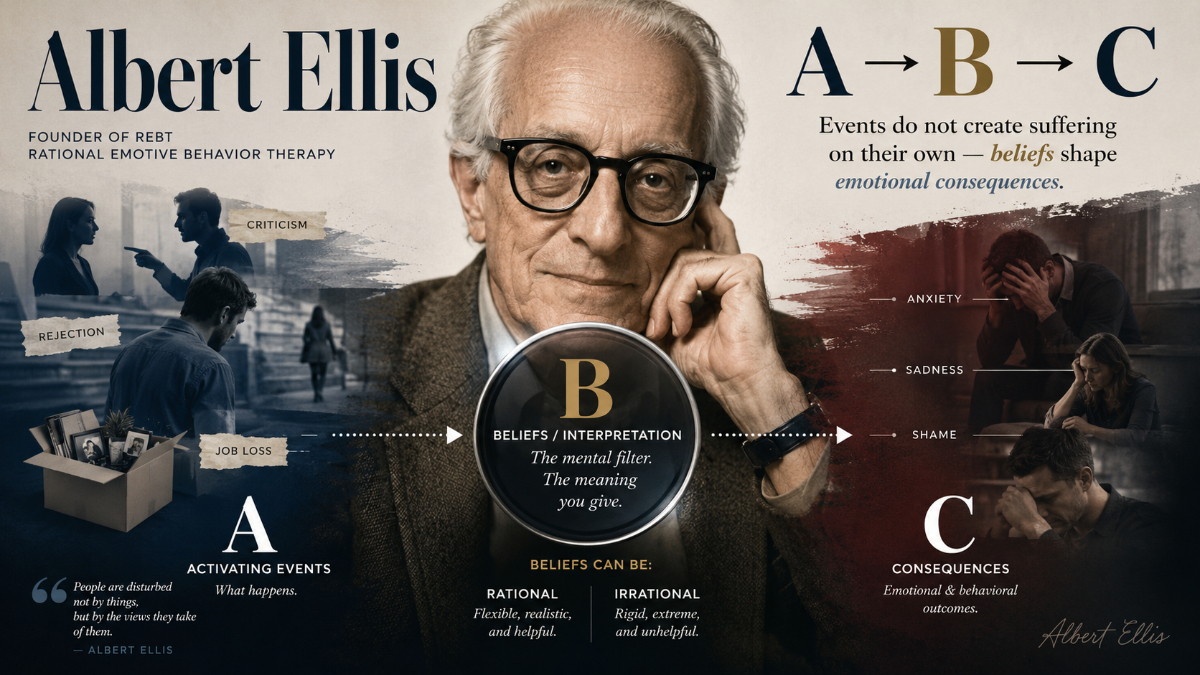
It Is Not Only What Happens to Us. It Is What We Tell Ourselves About What Happens to Us.

It Is Not Only What Happens to Us. It Is What We Tell Ourselves About What Happens to Us.

Article | Psychology
Albert Ellis’s Rational Emotive Behaviour Therapy (REBT) is built around a deceptively simple idea: what happens to us does not automatically determine how we feel; our beliefs and interpretations about what happens play a crucial role.
What Happens When You Spend Your Life Hiding What You Feel?

What Happens When You Spend Your Life Hiding What You Feel?

Article | Psychology
What happens when “I'm fine” becomes a way of life? Frozen gives us a familiar way to understand something many people experience — learning to hide emotions because they feel unsafe, unacceptable, or overwhelming. This article explores emotional suppression and practical ways to begin recognizing, understanding, and expressing emotions more safely.
How Memory Works: Why We Remember and Forget

How Memory Works: Why We Remember and Forget

Article | Psychology
Memory is not a perfect recording of the past. Discover how the brain selects, stores, and retrieves information—and why forgetting can be a normal and useful part of healthy mental functioning.
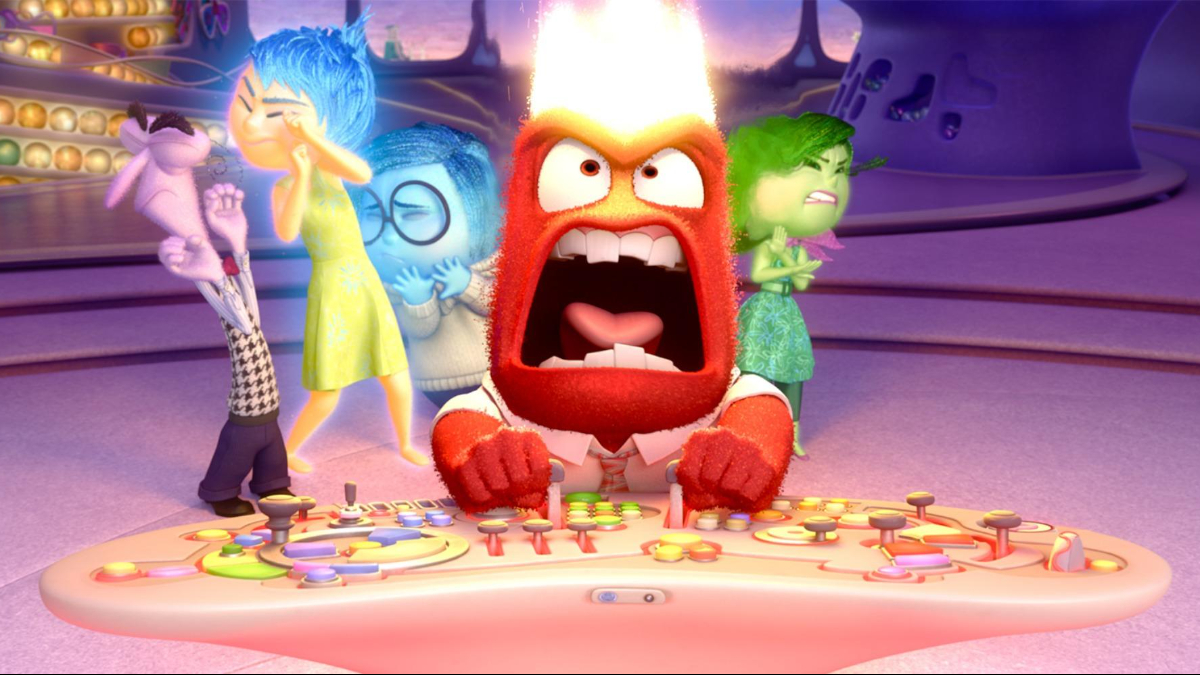
“What If Your Mind Had a Control Room… And You’re Not the One in Control?”

“What If Your Mind Had a Control Room… And You’re Not the One in Control?”

Article | Psychology
Have you ever said: “Why am I reacting like this?” “I don’t even understand myself anymore.” “I was fine… and suddenly I wasn’t.” It feels like something inside you just takes over. Like you're watching yourself react… but you can’t stop it.
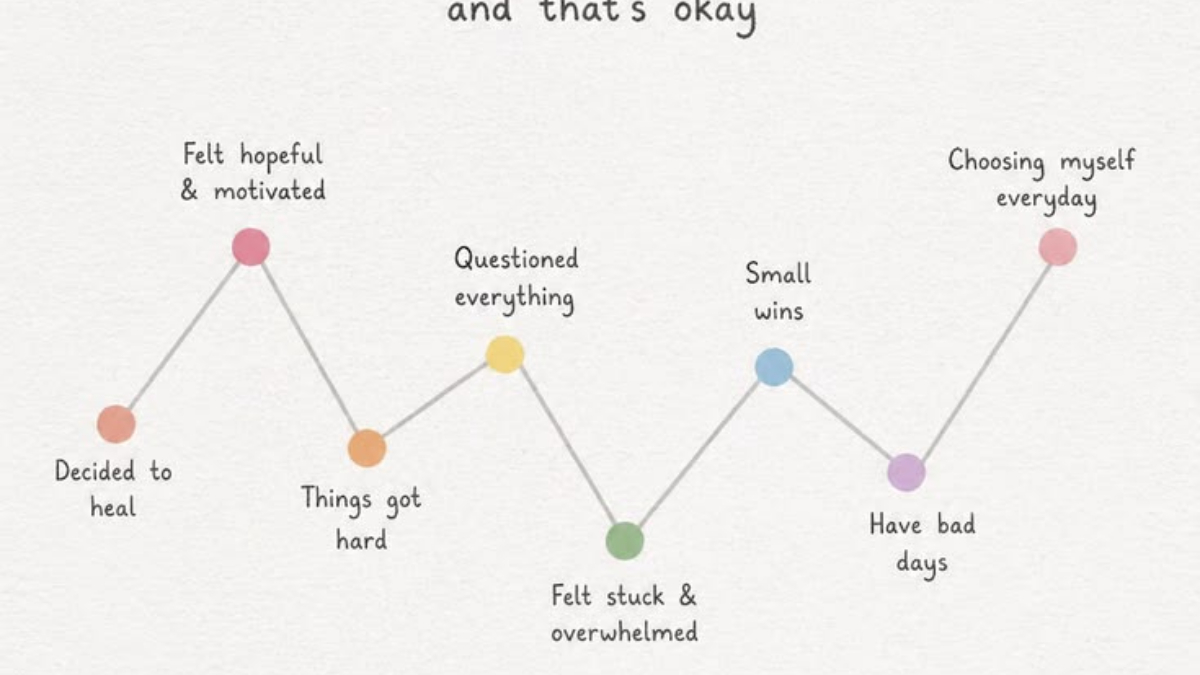
Therapist Explains... Why healing isn't linear.

Therapist Explains... Why healing isn't linear.

Article | Psychology
Your worst day doesn't cancel your best progress. Healing isn't a straight line—it's a journey of learning, unlearning, falling, and rising again. Be patient with yourself. Every small step still counts.
Charlize Theron’s Childhood Trauma: The Psychology of Strength, Independence, and Resilience

Charlize Theron’s Childhood Trauma: The Psychology of Strength, Independence, and Resilience

Article | Psychology
Behind Charlize Theron’s confidence lies a childhood marked by fear and violence. Discover how trauma may shape independence, emotional control, resilience, and the determination to build a safer life.
Michael Jackson and the Psychology of Fame: Why We Struggle to Separate Art from the Artist

Michael Jackson and the Psychology of Fame: Why We Struggle to Separate Art from the Artist

Blog | Psychology
Can we continue loving Michael Jackson’s music while questioning the man behind it? A thoughtful look at fame, moral conflict, fan loyalty, and the difficulty of separating art from its creator.
You need to be logged in to send messages
Login Sign up
To create your specialist profile, please log in to your account.
Login Sign up
You need to be logged in to contact us
Login Sign up
To create a new Question, please log in or create an account
Login Sign up
Share on other sites

If you are considering psychotherapy but do not know where to start, a free initial consultation is the perfect first step. It will allow you to explore your options, ask questions, and feel more confident about taking the first step towards your well-being.

It is a 30-minute, completely free meeting with a Mental Health specialist that does not obligate you to anything.

What are the benefits of a free consultation?

Who is a free consultation suitable for?

Important:

Potential benefits of a free initial consultation

During this first session: potential clients have the chance to learn more about you and your approach before agreeing to work together.

Offering a free consultation will help you build trust with the client. It shows them that you want to give them a chance to make sure you are the right person to help them before they move forward. Additionally, you should also be confident that you can support your clients and that the client has problems that you can help them cope with. Also, you can avoid any ethical difficult situations about charging a client for a session in which you choose not to proceed based on fit.

We've found that people are more likely to proceed with therapy after a free consultation, as it lowers the barrier to starting the process. Many people starting therapy are apprehensive about the unknown, even if they've had sessions before. Our culture associates a "risk-free" mindset with free offers, helping people feel more comfortable during the initial conversation with a specialist.

Another key advantage for Specialist

Specialists offering free initial consultations will be featured prominently in our upcoming advertising campaign, giving you greater visibility.


It's important to note that the initial consultation differs from a typical therapy session:

No Internet Connection It seems you’ve lost your internet connection. Please refresh your page to try again. Your message has been sent