




All Categories
Show more

Posts about Psychology

From Pillow Fights to Protective Factors: The Lifelong Power of the Sibling Bond

From Pillow Fights to Protective Factors: The Lifelong Power of the Sibling Bond

Article | Psychology
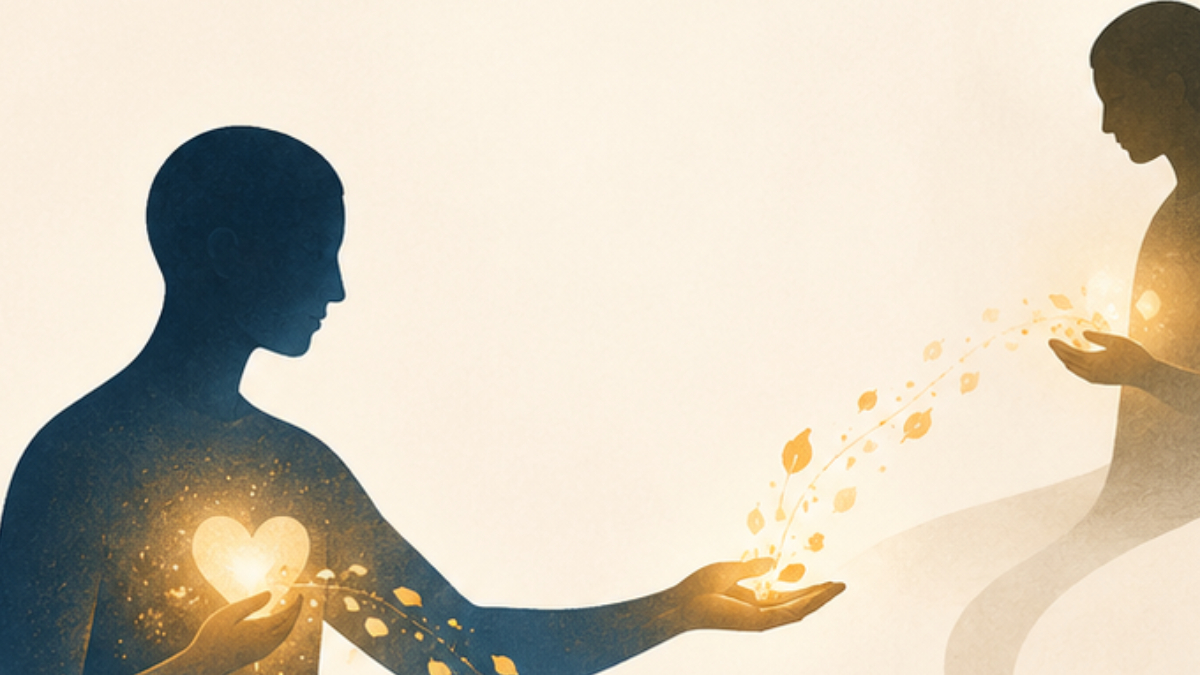
Have you ever noticed that it’s exactly in the company of a brother or sister that you can most easily be yourself? You can get angry, act silly, cry without explanations—and still be fully accepted.
When a Spoon Scraping a Plate Sounds Like a Siren: What Lies Behind Misophonia

When a Spoon Scraping a Plate Sounds Like a Siren: What Lies Behind Misophonia

Article | Psychology
First comes the sound. A quiet chewing at the next table in a café. The clicking of a keyboard in the office. The rustle of bags in a movie theater. For most people, it’s just background noise.
Why We Fall Asleep to Murder Stories

Why We Fall Asleep to Murder Stories

Article | Psychology
Start by picturing not yourself, but your brain as an old detective sitting in a dark room with a desk lamp. He’s flipping through files of bloody cases—not to catch the killer, but just to feel like the world still runs on some kind of rules.
How a Plate of Rice and Pear Can Calm the Chaos in a Child’s Mind

How a Plate of Rice and Pear Can Calm the Chaos in a Child’s Mind

Article | Psychology
A child sits at the table, legs swinging, pencil spinning in their fingers, while the teacher asks for the third time to “focus.” Parents sigh: “ADHD again.” There are medications, there’s therapy, but somehow no one asks what exactly is on that child’s plate.
Why We Return to Old Movies and Series

Why We Return to Old Movies and Series

Article | Psychology
You sink into the couch, click on a familiar title in your Netflix feed, and feel the day’s tension slowly melt away. This isn’t laziness or a lack of ideas.
The Shadow Side of Laughter

The Shadow Side of Laughter

Article | Psychology
Dark humor lands like a scalpel—precise, cold, and often aimed at the parts of life that bleed. A joke about death in a hospital corridor, a quip about suicide at a funeral: most people flinch.
The Brain’s Superhighway: What Happens When the Corpus Callosum Goes Offline?

The Brain’s Superhighway: What Happens When the Corpus Callosum Goes Offline?

Article | Psychology
You’re reading this sentence with both halves of your brain, even if you don’t feel it. A thick cable of 200 million nerve fibers—tucked right under the longitudinal fissure—shuttles data between the left and right hemispheres faster than you can blink.
Hypothalamus: The Tiny Conductor Pulling Your Life’s Strings

Hypothalamus: The Tiny Conductor Pulling Your Life’s Strings

Article | Psychology
You wake up hungry, reach for coffee, feel a rush when your phone pings with a like, and later crash into bed because your body simply refuses to stay awake. None of these moments feel orchestrated by a single boss—yet they are.
The Amygdala: Your Brain’s Alarm System That Remembers Every Scare

The Amygdala: Your Brain’s Alarm System That Remembers Every Scare

Article | Psychology
You’re walking alone at night and hear a sudden rustle in the bushes. Heart pounds, palms sweat, legs itch to bolt. That split-second terror isn’t random—it’s the amygdala, a tiny almond-shaped nugget deep in your brain, slamming the panic button.
Why the Prefrontal Cortex Is Your Real Boss

Why the Prefrontal Cortex Is Your Real Boss

Article | Psychology
The prefrontal cortex (PFC) is the front part of your frontal lobes, right behind your forehead. It’s a massive region, making up nearly a third of your entire cerebral cortex—and it’s the most “human” region, barely present in dogs or cats.
You need to be logged in to send messages
Login Sign up
To create your specialist profile, please log in to your account.
Login Sign up
You need to be logged in to contact us
Login Sign up
To create a new Question, please log in or create an account
Login Sign up
Share on other sites

If you are considering psychotherapy but do not know where to start, a free initial consultation is the perfect first step. It will allow you to explore your options, ask questions, and feel more confident about taking the first step towards your well-being.

It is a 30-minute, completely free meeting with a Mental Health specialist that does not obligate you to anything.

What are the benefits of a free consultation?

Who is a free consultation suitable for?

Important:

Potential benefits of a free initial consultation

During this first session: potential clients have the chance to learn more about you and your approach before agreeing to work together.

Offering a free consultation will help you build trust with the client. It shows them that you want to give them a chance to make sure you are the right person to help them before they move forward. Additionally, you should also be confident that you can support your clients and that the client has problems that you can help them cope with. Also, you can avoid any ethical difficult situations about charging a client for a session in which you choose not to proceed based on fit.

We've found that people are more likely to proceed with therapy after a free consultation, as it lowers the barrier to starting the process. Many people starting therapy are apprehensive about the unknown, even if they've had sessions before. Our culture associates a "risk-free" mindset with free offers, helping people feel more comfortable during the initial conversation with a specialist.

Another key advantage for Specialist

Specialists offering free initial consultations will be featured prominently in our upcoming advertising campaign, giving you greater visibility.


It's important to note that the initial consultation differs from a typical therapy session:

No Internet Connection It seems you’ve lost your internet connection. Please refresh your page to try again. Your message has been sent

