"Why Getting Married in Your 30s Might Just Be the Best Decision You Make"


There is an old, unwritten rule that many of us grew up hearing: “Find someone, settle down, and get married in your 20s.” For years, turning 30 without a wedding ring felt like running out of time on a ticking clock.

But times have changed, and so have we.

Today, more people than ever are choosing to marry in their 30s—and honestly, it might be one of the best choices you can make for your future. Stepping into marriage after 30 isn’t about being "late to the party." It’s about walking into a partnership with a clear mind, a settled heart, and a strong sense of who you are.

Here is why getting married in your 30s often leads to stronger, happier, and more lasting relationships.

1. You Know Who You Are (and What You Want)

In your 20s, life is mostly about discovery. You are trying out different career paths, figuring out your personal values, and constantly changing.

By the time you reach your 30s, the dust begins to settle. You understand:

  • Your non-negotiables in life.
  • Your boundaries and how to set them.
  • What makes you truly happy versus what just looks good from the outside.

When you know yourself well, choosing a partner becomes much easier. You aren't picking someone based on potential or idealization—you are choosing someone who fits into the actual life you are living today.

2. Emotional Maturity Means Better Communication

Let’s be honest: early relationships can feature a lot of drama, ego clashes, and silent treatment.

In your 30s, emotional maturity kicks in. You’ve had enough life experience—and perhaps past heartbreaks—to realize that winning an argument matters far less than protecting the relationship.

You learn to:

  • Listen to understand, not just to respond.
  • Express your needs clearly without expecting your partner to mind-read.
  • Handle disagreements with calm discussion rather than quick reactions.

3. Financial and Career Stability

While money isn’t everything, financial stress is one of the most common friction points in a marriage.

By 30, most people have built a degree of stability in their careers. You have a better grasp of budgeting, saving, and managing daily expenses. This stability allows you and your partner to focus on building a life together, planning trips, buying a home, or starting a family without constant financial worry hanging overhead.

4. You Pick a Life Partner, Not Just a Romantic Idea

When we are younger, attraction often takes center stage. But life in your 30s teaches you that a long-term marriage requires much more than chemistry.

You begin to look for traits that genuinely sustain a life together:

  • Kind disposition and shared core values.
  • Mutual respect and support for each other's goals.
  • Emotional reliability during tough times.

Marriage becomes a true partnership built on teamwork, trust, and deep friendship.

Final Thoughts: There Is No Perfect Age, Only the Right Time for You

Age is just a number, but maturity is a mindset. Getting married after 30 doesn't mean you missed out on your younger years—it means you used those years to build a solid foundation within yourself.

When two individuals who are secure, self-aware, and comfortable in their own skin decide to come together, they create a relationship that is resilient enough to stand the test of time.

If you are stepping into marriage in your 30s, embrace it. You aren't late; you are entering it with the wisdom, clarity, and strength to make it work for the long haul.
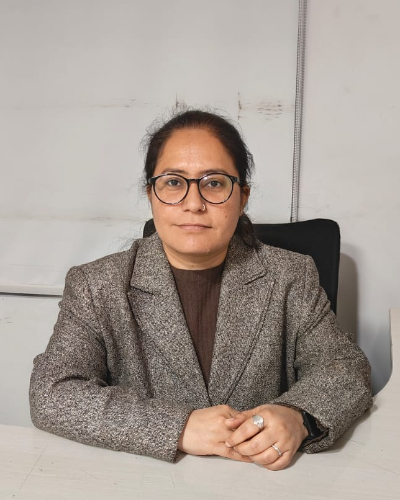

Cognitive-Behavioral Therapist, Counseling Psychologist, Co... Show more
(MA and MSW)
NEERU
Cognitive-Behavioral Therapist, Counseling Psychologist, Co... Show more
(MA and MSW)

"I am a qualified Relationship and Family Counsellor with more than 5 years of experience in guiding couples, families, and individuals through emotional, behavioral, and relationship challenges. I hold a Master’s degree in Sociology, a Master’s in Social Work (MSW), and I am pursuing Counselling Psychology from IGNOU. My expertise includes family counselling, marital issues, trust and communication problems, premarital guidance, breakups, and self-growth.

I follow evidence-based approaches like CBT, DBT, and ACT, along with mindfulness techn ...

Years in Practice
8 years
Posts
Free Initial Consultation
₹300 - ₹1200 INR
$4950 - $19799 ARS $5 - $19 AUD $18 - $71 BRL $5 - $18 CAD ¥21 - ¥85 CNY €3 - €11 EUR ₹300 - ₹1200 INR $59 - $238 MXN $6 - $23 NZD £2 - £10 GBP ₴146 - ₴584 UAH $3 - $13 USD
 Mansarovar,
Jaipur, 302020,
Rajasthan, India
Mansarovar, Jaipur, 302020, Rajasthan, India
Online
In-person

"I am a qualified Relationship and Family Counsellor with more than 5 years of experience in guiding couples, families, and individuals through emotional, behavioral, and relationship challenges. I hold a Master’s degree in Sociology, a Master’s in Social Work (MSW), and I am pursuing Counselling Psychology from IGNOU. My expertise includes family counselling, marital issues, trust and communication problems, premarital guidance, breakups, and self-growth.

I follow evidence-based approaches like CBT, DBT, and ACT, along with mindfulness techn ...

Years in Practice
8 years
Posts
Free Initial Consultation
You need to be logged in to send messages
Login Sign up
To create your specialist profile, please log in to your account.
Login Sign up
You need to be logged in to contact us
Login Sign up
To create a new Question, please log in or create an account
Login Sign up
Share on other sites

If you are considering psychotherapy but do not know where to start, a free initial consultation is the perfect first step. It will allow you to explore your options, ask questions, and feel more confident about taking the first step towards your well-being.

It is a 30-minute, completely free meeting with a Mental Health specialist that does not obligate you to anything.

What are the benefits of a free consultation?

Who is a free consultation suitable for?

Important:

Potential benefits of a free initial consultation

During this first session: potential clients have the chance to learn more about you and your approach before agreeing to work together.

Offering a free consultation will help you build trust with the client. It shows them that you want to give them a chance to make sure you are the right person to help them before they move forward. Additionally, you should also be confident that you can support your clients and that the client has problems that you can help them cope with. Also, you can avoid any ethical difficult situations about charging a client for a session in which you choose not to proceed based on fit.

We've found that people are more likely to proceed with therapy after a free consultation, as it lowers the barrier to starting the process. Many people starting therapy are apprehensive about the unknown, even if they've had sessions before. Our culture associates a "risk-free" mindset with free offers, helping people feel more comfortable during the initial conversation with a specialist.

Another key advantage for Specialist

Specialists offering free initial consultations will be featured prominently in our upcoming advertising campaign, giving you greater visibility.

It's important to note that the initial consultation differs from a typical therapy session:

No Internet Connection It seems you’ve lost your internet connection. Please refresh your page to try again. Your message has been sent