The Childhood Wounds We Carry Into Adult Relationships





When the People Who Should Have Protected Us Become the Source of Our Hurt
Betrayal is not always about a friend breaking a promise or a partner being unfaithful. Sometimes, betrayal begins much earlier in life—when a child repeatedly feels that the people who were supposed to protect, understand, guide, or stand beside them simply could not be there in the way they needed.
As a mental wellness professional, I have seen how deeply these experiences can influence a person's emotional world. Sometimes parents may be physically present but emotionally unavailable. Sometimes they may be overly controlling, dismissive of feelings, inconsistent in their support, or simply unable to understand what their child is going through. Parents are human too, and they have their own limitations, experiences, fears, and unfinished emotional journeys. But for a child, understanding this often comes much later. What the child feels first is:
"Why wasn't someone there for me?"
That question can quietly follow us into adulthood.
We may start questioning ourselves, struggling to trust others, becoming overly independent, seeking constant reassurance, avoiding emotional closeness, or feeling that we always have to handle everything alone. Sometimes anger appears. Sometimes sadness. Sometimes we don't even know what we are feeling—we simply know that something still hurts.
One important part of healing is recognizing that acknowledging what happened does not mean blaming our parents forever. It means giving ourselves permission to understand our own experience honestly.
Healing also does not require us to erase our parents from our lives or pretend that everything was perfect. It may simply mean learning to create healthier boundaries, communicate our needs, understand our emotional triggers, and stop expecting our past to provide something it was never able to provide.
As adults, we slowly learn an important distinction:
"My parents may have failed me in some ways, but their limitations do not have to become my identity."
The goal of mental wellness is not to rewrite the past. We cannot change what happened. But we can change the relationship we have with that experience.
We can learn to become more compassionate toward the younger version of ourselves. We can build healthier relationships. We can learn to trust carefully rather than blindly. We can express emotions instead of carrying them silently. And most importantly, we can begin giving ourselves the emotional safety that we once wished someone else had given us.
Sometimes healing begins with a very simple sentence:
"What happened to me mattered, and I am still allowed to build a better life."
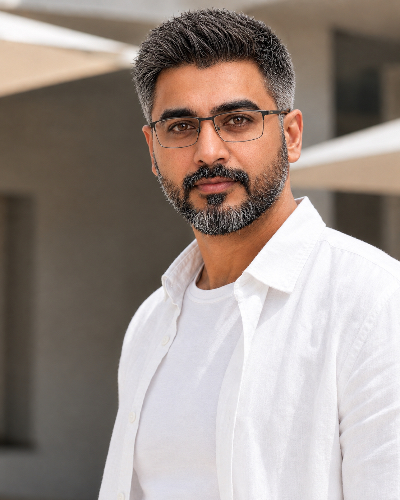
— Dr. Sameer Adtani
Mental Wellness & Behavioral Wellbeing