Autism in Adults. Why Does My Body Always Feel So Tense?


When people think about Autism Spectrum Disorder (ASD), they often think of differences in communication, social interaction, or highly focused interests. Yet one essential aspect of autism is often overlooked: the way the body experiences the world.

Many autistic adults describe living with chronic muscle tension, unexplained pain, fatigue, breathing discomfort, or an overwhelming need for solitude. Medical examinations may not reveal a clear cause for these symptoms. That does not mean they are "just psychological." They are genuine bodily experiences that deserve careful attention.

Our body is the first place where we encounter the world. Every sound, light, texture, smell, social interaction, and unexpected change is continuously processed by our nervous system. For many autistic individuals, this constant flow of sensory information can create a persistent state of overload.

In response, the body naturally seeks ways to restore balance. Some people need silence. Others find relief in walking, spending time in nature, practicing conscious breathing, or engaging in repetitive movements that help regulate their internal state. These strategies are not signs of weakness or odd behavior but rather adaptive ways to support self-regulation in an environment that may feel intensely demanding.

Recent research suggests that exposure to natural environments and breathing practices can reduce stress and support emotional and physiological regulation. These interventions influence muscle tone, breathing patterns, and the body's capacity to adapt to everyday challenges.

From a phenomenological perspective, body and mind cannot be separated. Thoughts, emotions, sensations, posture, and movement are different expressions of the same lived experience. When a person remains in a prolonged state of sensory and emotional overload, suffering often finds its way into the body. Persistent pain, muscular rigidity, shallow breathing, and exhaustion may all reflect an organism struggling to maintain equilibrium.

This broader understanding invites us to rethink how we care for autistic individuals. Rather than focusing solely on reducing symptoms, we can support the development of self-awareness, self-regulation, and a deeper understanding of each person's unique way of being in the world.

This is why an integrated approach to care can be so valuable. Psychotherapy offers a space to explore emotions and make meaning of lived experience. Medical care helps identify and address physiological factors that may contribute to distress. Body-oriented approaches can foster greater bodily awareness, improve postural organization, and help individuals develop practical resources for self-care and regulation.

Every autistic person experiences the world differently. Their care should reflect that same individuality.

When we begin to listen not only to what a person says but also to what their body communicates, we move toward a more humane, embodied, and comprehensive understanding of autism, one that honors the inseparable relationship between body, mind, and lived experience.
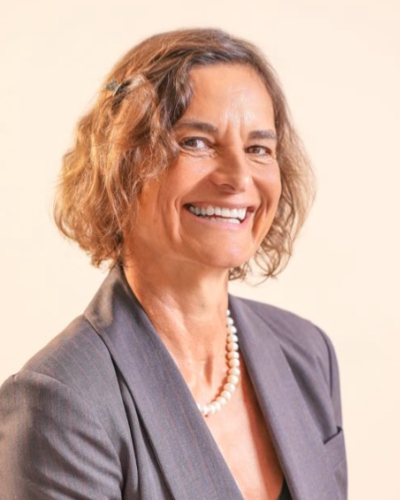

Clinical Psychologist, Psychologist, Registered Psychothera... Show more
Ines
Clinical Psychologist, Psychologist, Registered Psychothera... Show more

I am a German Clinical Psychologist living in Brazil, with extensive international life and work experience. Having lived and worked in Germany, the United States, and Brazil, I understand both the richness and the challenges that can come with cultural transitions, identity, belonging, and adaptation. These experiences have shaped not only my perspective as a therapist but also my appreciation for the unique journey each person brings to therapy. I offer sessions in English, Portuguese, and German.

My work is grounded in Gestalt Therapy, a ...

Years in Practice
13 years
Posts
Free Initial Consultation
$80 USD
$118999 ARS $115 AUD $412 BRL $113 CAD ¥544 CNY €70 EUR ₹7644 INR $1406 MXN $140 NZD £60 GBP ₴3554 UAH $80 USD
 102 Rua Borges de Barros,
Sumarezinho,
São Paulo, 05441-050,
São Paulo, Brazil
102 Rua Borges de Barros, Sumarezinho, São Paulo, 05441-050, São Paulo, Brazil
Online
In-person

I am a German Clinical Psychologist living in Brazil, with extensive international life and work experience. Having lived and worked in Germany, the United States, and Brazil, I understand both the richness and the challenges that can come with cultural transitions, identity, belonging, and adaptation. These experiences have shaped not only my perspective as a therapist but also my appreciation for the unique journey each person brings to therapy. I offer sessions in English, Portuguese, and German.

My work is grounded in Gestalt Therapy, a ...

Years in Practice
13 years
Posts
Free Initial Consultation
You need to be logged in to send messages
Login Sign up
To create your specialist profile, please log in to your account.
Login Sign up
You need to be logged in to contact us
Login Sign up
To create a new Question, please log in or create an account
Login Sign up
Share on other sites

If you are considering psychotherapy but do not know where to start, a free initial consultation is the perfect first step. It will allow you to explore your options, ask questions, and feel more confident about taking the first step towards your well-being.

It is a 30-minute, completely free meeting with a Mental Health specialist that does not obligate you to anything.

What are the benefits of a free consultation?

Who is a free consultation suitable for?

Important:

Potential benefits of a free initial consultation

During this first session: potential clients have the chance to learn more about you and your approach before agreeing to work together.

Offering a free consultation will help you build trust with the client. It shows them that you want to give them a chance to make sure you are the right person to help them before they move forward. Additionally, you should also be confident that you can support your clients and that the client has problems that you can help them cope with. Also, you can avoid any ethical difficult situations about charging a client for a session in which you choose not to proceed based on fit.

We've found that people are more likely to proceed with therapy after a free consultation, as it lowers the barrier to starting the process. Many people starting therapy are apprehensive about the unknown, even if they've had sessions before. Our culture associates a "risk-free" mindset with free offers, helping people feel more comfortable during the initial conversation with a specialist.

Another key advantage for Specialist

Specialists offering free initial consultations will be featured prominently in our upcoming advertising campaign, giving you greater visibility.

It's important to note that the initial consultation differs from a typical therapy session:

No Internet Connection It seems you’ve lost your internet connection. Please refresh your page to try again. Your message has been sent

