



All Categories
Show more

Posts about Child psychology

Why So Many Bright Children Grow Up Feeling Stuck and Alone

Why So Many Bright Children Grow Up Feeling Stuck and Alone

Article | Child psychology
Many bright children, once celebrated for their intelligence and promised a future of boundless success, find themselves grappling with a perplexing sense of stagnation, loneliness, and an inability to connect as adults.
The Real Costs of Growing Fatherlessness

The Real Costs of Growing Fatherlessness

Article | Child psychology
Today, perhaps more than ever before, the family structure appears weakened, with a significant number of children growing up without a father present in their lives.
Exploring Where Self-Esteem Comes From and How to Nurture It

Exploring Where Self-Esteem Comes From and How to Nurture It

Article | Child psychology
Have you ever stopped to think about that inner feeling – the sense of stability, of knowing your own worth? We often call it self-esteem or self-confidence.
How to Discipline Effectively Without Raising Your Hand or Voice

How to Discipline Effectively Without Raising Your Hand or Voice

Article | Child psychology
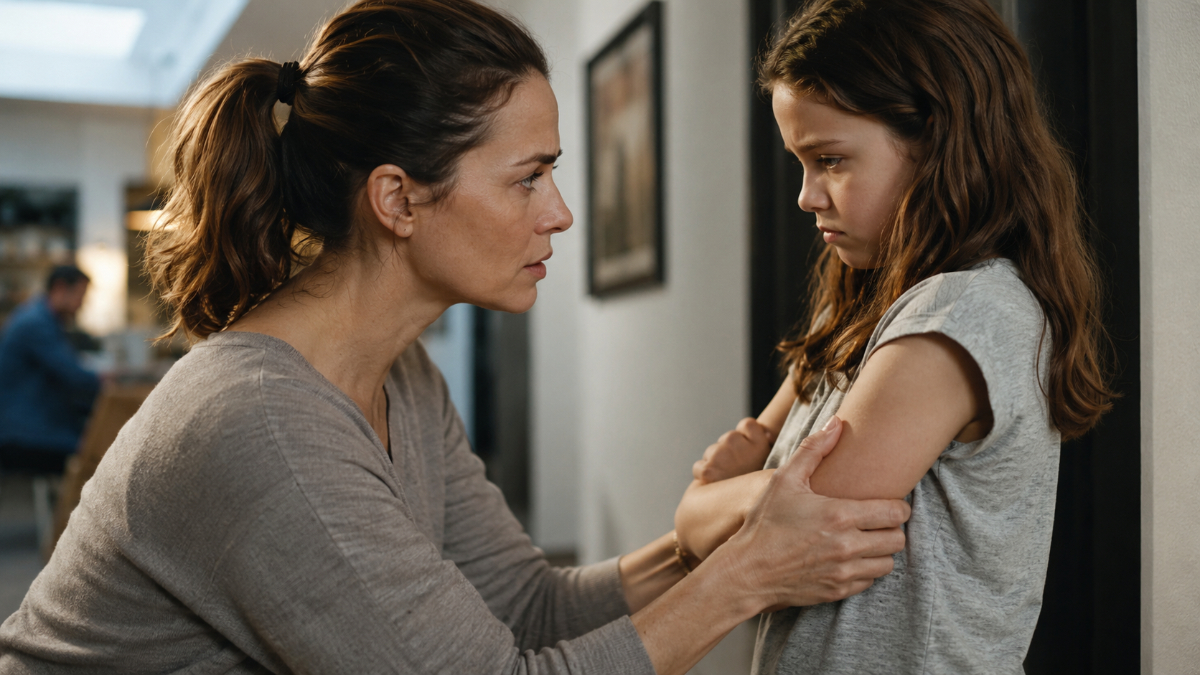
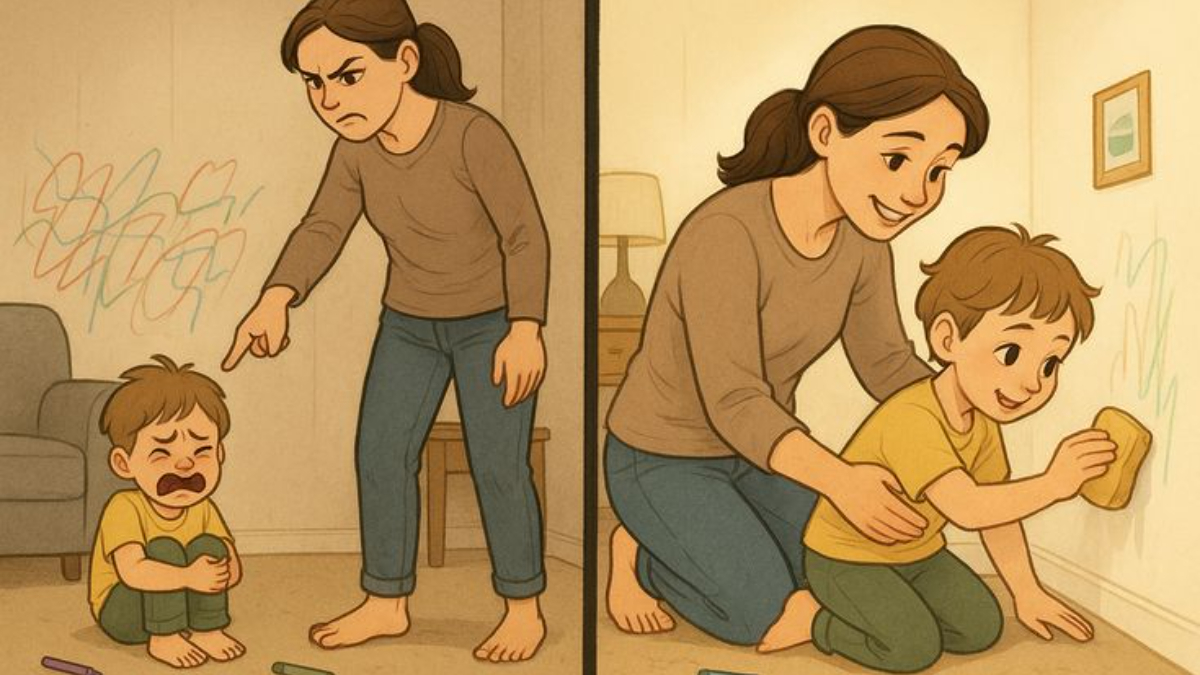
We often hear it, perhaps we've even said it ourselves: "I was disciplined physically as a child, and I turned out fine."
The Bully-Bystander-Victim Triangle: Understanding the Dynamics of School Aggression.

The Bully-Bystander-Victim Triangle: Understanding the Dynamics of School Aggression.

Blog | Child psychology
Bullying at school is a deeply unsettling reality that can leave lasting scars on both individuals and the wider school community.
Child Psychology: The Key to Understanding and Supporting Your Child's Development

Child Psychology: The Key to Understanding and Supporting Your Child's Development

Blog | Child psychology
When a child is referred to a psychologist, it can stir up many questions. Is there something seriously wrong? Will there be a need for medications with unsettling side effects? Am I failing as a parent?
When Your Child Changes Overnight: Understanding Age Crises and How to Stay Close

When Your Child Changes Overnight: Understanding Age Crises and How to Stay Close

Blog | Child psychology
Have you ever looked at your child and thought, “Who is this little stranger?” One day they’re sweet and affectionate, and the next, they’re defiant, moody, or withdrawn.
Do Your Mood Swings Scar Your Child More Than You Know?

Do Your Mood Swings Scar Your Child More Than You Know?

Blog | Child psychology
The complexity of parental behavior is further compounded when the messages delivered are not only contradictory but also emotionally volatile.
Recognizing the Emotional Wounds of Bullying

Recognizing the Emotional Wounds of Bullying

Blog | Child psychology
Bullying in schools can shatter the vibrant spirit of a child who once eagerly anticipated the day's lessons and interactions.
Aggression in Kids: Are We Misunderstanding Their Pain?

Aggression in Kids: Are We Misunderstanding Their Pain?

Blog | Child psychology
Aggression in children and adolescents is more than just a display of unruly behavior—it is often a profound expression of accumulated inner pain.
You need to be logged in to send messages
Login Sign up
To create your specialist profile, please log in to your account.
Login Sign up
You need to be logged in to contact us
Login Sign up
To create a new Question, please log in or create an account
Login Sign up
Share on other sites

If you are considering psychotherapy but do not know where to start, a free initial consultation is the perfect first step. It will allow you to explore your options, ask questions, and feel more confident about taking the first step towards your well-being.

It is a 30-minute, completely free meeting with a Mental Health specialist that does not obligate you to anything.

What are the benefits of a free consultation?

Who is a free consultation suitable for?

Important:

Potential benefits of a free initial consultation

During this first session: potential clients have the chance to learn more about you and your approach before agreeing to work together.

Offering a free consultation will help you build trust with the client. It shows them that you want to give them a chance to make sure you are the right person to help them before they move forward. Additionally, you should also be confident that you can support your clients and that the client has problems that you can help them cope with. Also, you can avoid any ethical difficult situations about charging a client for a session in which you choose not to proceed based on fit.

We've found that people are more likely to proceed with therapy after a free consultation, as it lowers the barrier to starting the process. Many people starting therapy are apprehensive about the unknown, even if they've had sessions before. Our culture associates a "risk-free" mindset with free offers, helping people feel more comfortable during the initial conversation with a specialist.

Another key advantage for Specialist

Specialists offering free initial consultations will be featured prominently in our upcoming advertising campaign, giving you greater visibility.


It's important to note that the initial consultation differs from a typical therapy session:

No Internet Connection It seems you’ve lost your internet connection. Please refresh your page to try again. Your message has been sent

