







All Categories
Show more

Posts about Stress

Psychogenic Vomiting: When Emotional Stress Triggers Recurrent Vomiting

Psychogenic Vomiting: When Emotional Stress Triggers Recurrent Vomiting

Article | Stress
Recurrent vomiting is not always caused by digestive disease. Learn how emotional stress can affect the brain–gut connection, why medical evaluation comes first, and which treatments may help.
How to Build Stress Resilience: Why Your Body Reacts and What Really Helps

How to Build Stress Resilience: Why Your Body Reacts and What Really Helps

Article | Stress
Stress resilience does not mean staying calm all the time. Learn how your body responds to pressure and which practical habits can help you recover, adapt, and regain control.
How Stress Affects the Body: Signs, Stages, and Healthy Ways to Cope

How Stress Affects the Body: Signs, Stages, and Healthy Ways to Cope

Article | Stress
Stress may begin quietly—with tension, poor sleep, headaches, or a racing heart. Learn how everyday pressure affects the body and why recognizing the early signs can prevent deeper exhaustion.
Developing Healthier Ways to Manage Work Stress

Developing Healthier Ways to Manage Work Stress

Blog | Stress
Managing work stress effectively requires a combination of physical, emotional, cognitive, and social coping strategies.
What Is Stress Trying to Tell Us? A Gestalt Therapy Perspective

What Is Stress Trying to Tell Us? A Gestalt Therapy Perspective

Blog | Stress
Stress is often viewed as something to eliminate, but Gestalt Therapy sees it as a meaningful signal about how we are relating to ourselves, others, and our environment. By increasing awareness of thoughts, emotions, bodily sensations, and unmet needs, individuals can better understand the sources of their stress and develop healthier ways of responding. Rather than focusing only on symptom reduction, Gestalt Therapy helps people reconnect with themselves, strengthen their capacity for self-support, and create more balanced and authentic lives.
High-Functioning Anxiety: When Life Looks Fine but the Mind Never Switches Off

High-Functioning Anxiety: When Life Looks Fine but the Mind Never Switches Off

Article | Stress
This article explores high-functioning anxiety in adults who appear successful externally but experience persistent overthinking, mental fatigue, and internal pressure. It explains how these patterns develop and are maintained through cognitive and behavioural cycles, and outlines practical psychological shifts that can help reduce mental strain and support more balanced, sustainable functioning in daily life.
Why Do We Experience Relationship Doubt?

Why Do We Experience Relationship Doubt?

Article | Stress
​A married man sought counseling due to severe performance anxiety. Despite an active intimate life, his wife expressed ongoing dissatisfaction. This feedback, combined with their contrasting personalities (he being traditional, she being modern), created immense mental pressure on him. ​In the first session, I maintained a non-judgmental space, reframed his crude language into professional terms, and advised him to reduce performance pressure by focusing on emotional bonding and open communication.
The Psychology of Micro-Stress

The Psychology of Micro-Stress

Article | Stress
Small daily stressors accumulate over time, significantly affecting emotional health, productivity, and overall psychological well-being.
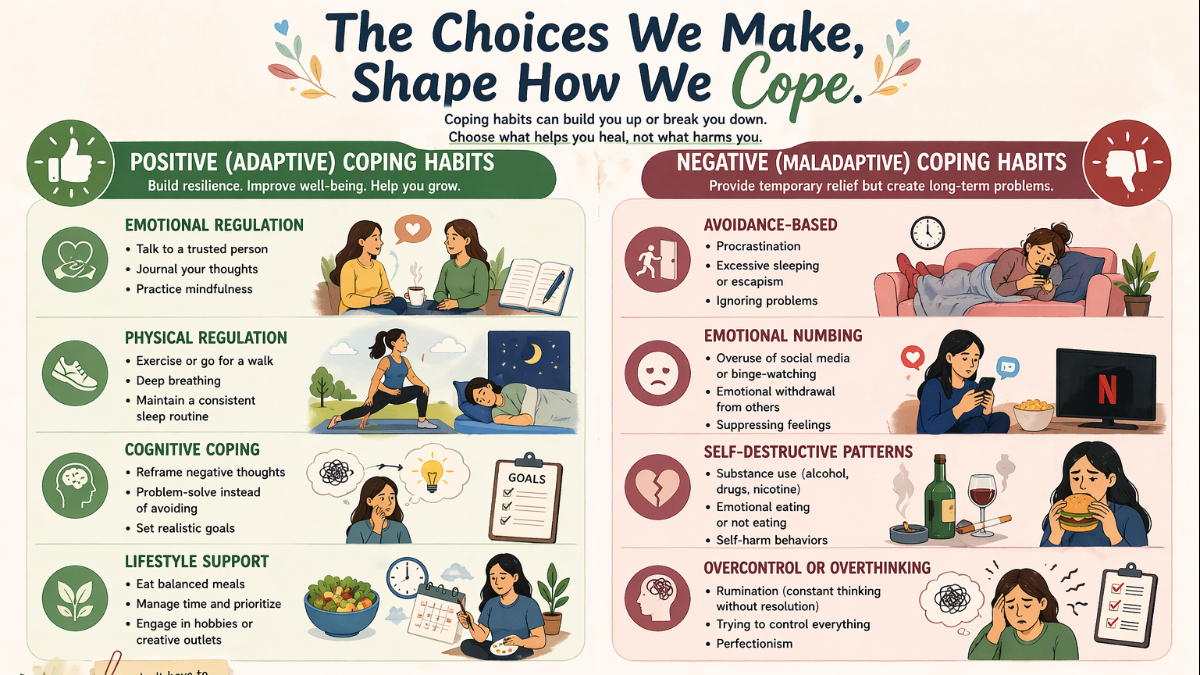
The choices we make Shape how we cope

The choices we make Shape how we cope

Article | Stress
Coping habits are the strategies people use to manage stress, emotions, and difficult situations. Not all coping is equal—some habits help regulate and heal, while others provide temporary relief but create long-term problems.
Dysregulated Nervous System? 10 Science-Backed Ways to Calm Stress and Anxiety

Dysregulated Nervous System? 10 Science-Backed Ways to Calm Stress and Anxiety

Blog | Stress
Cold water on your face, breathing tricks, showering in the dark — I tried everything science recommends for a fried nervous system. The results surprised me.
You need to be logged in to send messages
Login Sign up
To create your specialist profile, please log in to your account.
Login Sign up
You need to be logged in to contact us
Login Sign up
To create a new Question, please log in or create an account
Login Sign up
Share on other sites

If you are considering psychotherapy but do not know where to start, a free initial consultation is the perfect first step. It will allow you to explore your options, ask questions, and feel more confident about taking the first step towards your well-being.

It is a 30-minute, completely free meeting with a Mental Health specialist that does not obligate you to anything.

What are the benefits of a free consultation?

Who is a free consultation suitable for?

Important:

Potential benefits of a free initial consultation

During this first session: potential clients have the chance to learn more about you and your approach before agreeing to work together.

Offering a free consultation will help you build trust with the client. It shows them that you want to give them a chance to make sure you are the right person to help them before they move forward. Additionally, you should also be confident that you can support your clients and that the client has problems that you can help them cope with. Also, you can avoid any ethical difficult situations about charging a client for a session in which you choose not to proceed based on fit.

We've found that people are more likely to proceed with therapy after a free consultation, as it lowers the barrier to starting the process. Many people starting therapy are apprehensive about the unknown, even if they've had sessions before. Our culture associates a "risk-free" mindset with free offers, helping people feel more comfortable during the initial conversation with a specialist.

Another key advantage for Specialist

Specialists offering free initial consultations will be featured prominently in our upcoming advertising campaign, giving you greater visibility.


It's important to note that the initial consultation differs from a typical therapy session:

No Internet Connection It seems you’ve lost your internet connection. Please refresh your page to try again. Your message has been sent

