


All Categories
Show more

Posts about Harmful habits

Amphetamine Addiction: Signs, Withdrawal, and Treatment

Amphetamine Addiction: Signs, Withdrawal, and Treatment

Article | Harmful habits
Amphetamines can create energy, confidence, and euphoria—but dependence may follow quickly. Learn how to recognize withdrawal, psychosis, and the treatments that can support recovery.
Cocaine Addiction: Signs, Withdrawal, and Treatment

Cocaine Addiction: Signs, Withdrawal, and Treatment

Article | Harmful habits
Why does cocaine create such powerful cravings? Discover how it affects the brain, what happens when use stops, and which treatments offer real hope for recovery.
MDMA (Ecstasy) Addiction: Signs, Risks, and Treatment

MDMA (Ecstasy) Addiction: Signs, Risks, and Treatment

Article | Harmful habits
MDMA may promise energy, confidence, and closeness—but repeated use can lead to cravings, tolerance, and serious health risks. Learn when ecstasy use becomes dependence and what treatment may involve.
What Is Delirium Tremens and Why Is It So Dangerous?

What Is Delirium Tremens and Why Is It So Dangerous?

Article | Harmful habits
Delirium tremens can appear several days after a person stops drinking. Learn why confusion, hallucinations, seizures, and severe agitation require immediate hospital care.
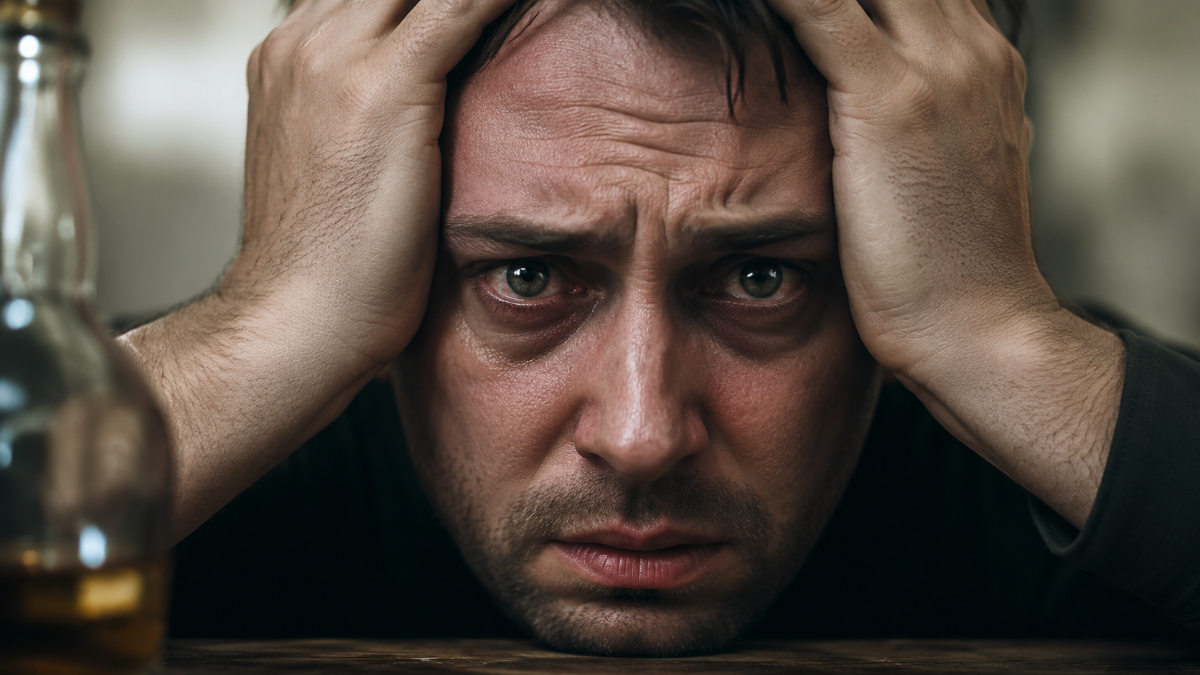
Alcohol and Depression: Why Drinking for Stress Relief Can Make You Feel Worse

Alcohol and Depression: Why Drinking for Stress Relief Can Make You Feel Worse

Article | Harmful habits
Alcohol may ease stress for a few hours, but anxiety, fatigue, and low mood can return even stronger. Learn how drinking and depression can reinforce each other—and when it is time to seek help.
The Dopamine Trap: Why Pleasure Stops Feeling Good

The Dopamine Trap: Why Pleasure Stops Feeling Good

Article | Harmful habits
Why does ordinary life feel boring after too much instant pleasure? This article explains how dopamine shapes motivation, habits, cravings, and the ability to enjoy simple things again.
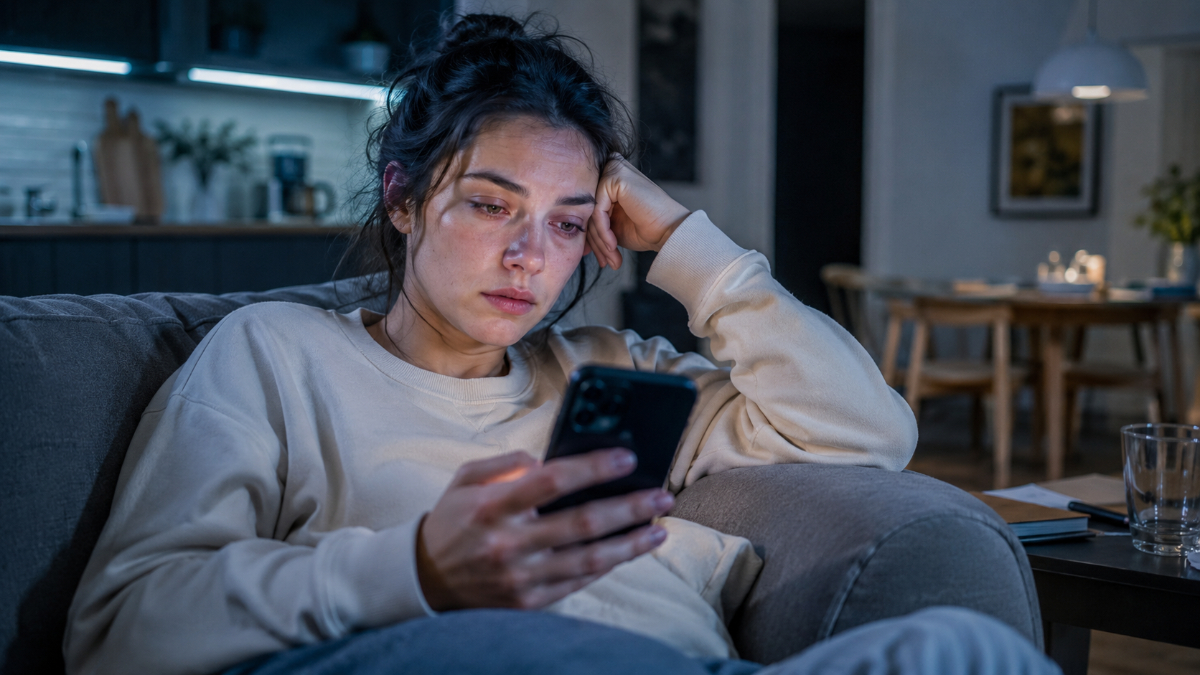
Digital Addiction and Mental Health: Why It’s So Hard to Stop Scrolling

Digital Addiction and Mental Health: Why It’s So Hard to Stop Scrolling

Article | Harmful habits
Why does scrolling feel relaxing but leave you drained? This article explains how digital addiction affects mental health and how to build healthier screen habits.
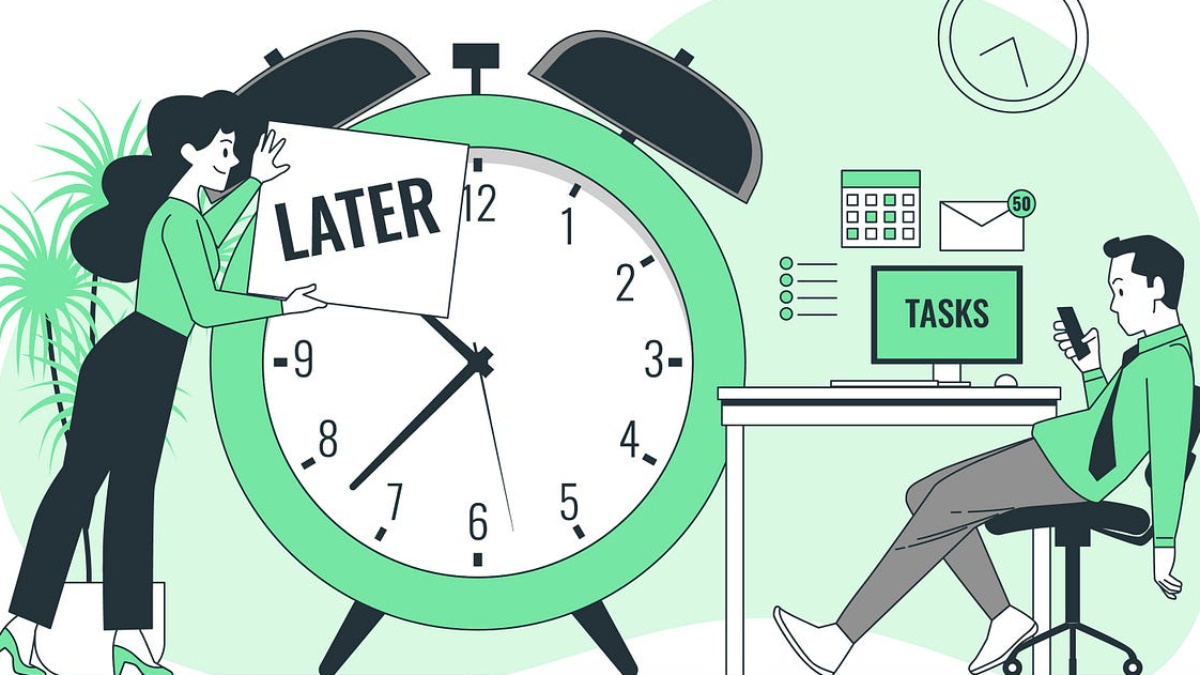
The Hidden Psychology Behind Procrastination

The Hidden Psychology Behind Procrastination

Article | Harmful habits
This article examines procrastination as an emotional regulation issue rather than a sign of laziness. It discusses the roles of anxiety, perfectionism, and instant gratification in delaying tasks, and provides evidence-based techniques to overcome procrastination and improve productivity.
Social Media Addiction Is Stealing Years of Your Life — A 7-Day Plan to Break Free

Social Media Addiction Is Stealing Years of Your Life — A 7-Day Plan to Break Free

Article | Harmful habits
You're not weak — you're trapped in a system built to keep you hooked. Social media addiction is quietly consuming your time, focus, and wellbeing. This 7-day plan changes the habit at its root.
How to Break Bad Habits for Good — What Neuroscience Actually Says

How to Break Bad Habits for Good — What Neuroscience Actually Says

Article | Harmful habits
You've tried motivation. You've tried willpower. So why do bad habits keep winning? The answer isn't weakness — it's wiring. Here's what your brain is actually doing, and how to work with it.
You need to be logged in to send messages
Login Sign up
To create your specialist profile, please log in to your account.
Login Sign up
You need to be logged in to contact us
Login Sign up
To create a new Question, please log in or create an account
Login Sign up
Share on other sites

If you are considering psychotherapy but do not know where to start, a free initial consultation is the perfect first step. It will allow you to explore your options, ask questions, and feel more confident about taking the first step towards your well-being.

It is a 30-minute, completely free meeting with a Mental Health specialist that does not obligate you to anything.

What are the benefits of a free consultation?

Who is a free consultation suitable for?

Important:

Potential benefits of a free initial consultation

During this first session: potential clients have the chance to learn more about you and your approach before agreeing to work together.

Offering a free consultation will help you build trust with the client. It shows them that you want to give them a chance to make sure you are the right person to help them before they move forward. Additionally, you should also be confident that you can support your clients and that the client has problems that you can help them cope with. Also, you can avoid any ethical difficult situations about charging a client for a session in which you choose not to proceed based on fit.

We've found that people are more likely to proceed with therapy after a free consultation, as it lowers the barrier to starting the process. Many people starting therapy are apprehensive about the unknown, even if they've had sessions before. Our culture associates a "risk-free" mindset with free offers, helping people feel more comfortable during the initial conversation with a specialist.

Another key advantage for Specialist

Specialists offering free initial consultations will be featured prominently in our upcoming advertising campaign, giving you greater visibility.


It's important to note that the initial consultation differs from a typical therapy session:

No Internet Connection It seems you’ve lost your internet connection. Please refresh your page to try again. Your message has been sent