






All Categories
Show more

Posts about Adolescent psychology

Navigating the Teenage Years: A Practical Guide to Adolescent Mental Health

Navigating the Teenage Years: A Practical Guide to Adolescent Mental Health

Article | Adolescent psychology

Adolescence is a critical period of neurological development where the brain's emotional center matures faster than its impulse-control center, often leading to intense emotions and risk-taking behaviors. Today's teens face unique pressures, including academic stress, identity exploration, and constant digital connectivity.

To best support teenagers, adults should focus on empathy and connection rather than immediate correction. Key strategies include validating emotions before offering solutions, encouraging open-ended dialogue, and knowing when normal adolescent mood shifts cross into red flags that require professional support.

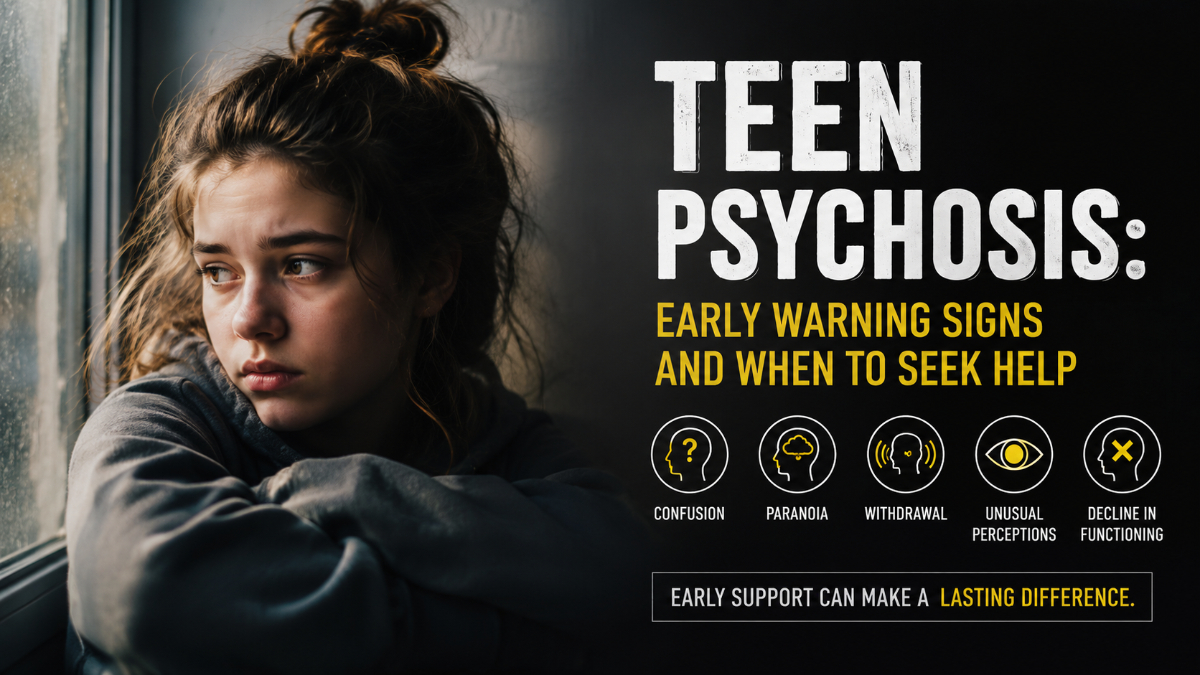
Teen Psychosis: Early Warning Signs and When to Seek Help

Teen Psychosis: Early Warning Signs and When to Seek Help

Article | Adolescent psychology
Sudden isolation, sleeplessness, declining grades, unusual beliefs, or self-harm may signal more than typical teen behavior. Learn which warning signs require professional attention.
The Comfort Trap: Why We Stay in Situations That Make Us Unhappy

The Comfort Trap: Why We Stay in Situations That Make Us Unhappy

Article | Adolescent psychology
People often choose familiar discomfort over uncertain happiness. Discover why the brain resists change even when change could improve life.
Why Your Mind Replays Embarrassing Moments at Night

Why Your Mind Replays Embarrassing Moments at Night

Article | Adolescent psychology
Ever wondered why old embarrassing memories appear before sleep? Discover the science behind nighttime overthinking and how the brain processes emotions.
The Psychology of Feeling Behind in Life: Why Everyone Else Seems Ahead

The Psychology of Feeling Behind in Life: Why Everyone Else Seems Ahead

Article | Adolescent psychology
Feeling left behind is often created by social comparison, not reality. Understanding this psychology helps restore confidence, self-worth, and perspective.
Has your teenager stopped talking to you? A Gestalt Therapy Perspective

Has your teenager stopped talking to you? A Gestalt Therapy Perspective

Blog | Adolescent psychology
Watching your child become a teenager can be both wonderful and challenging. As they search for their own identities, conversations may become less frequent, leaving parents wondering how to stay connected. From a Gestalt therapy perspective, meaningful dialogue begins not with the perfect words, but with presence, curiosity, and trust. When adolescents feel safe sharing their experiences and are trusted to grow through them, they are more likely to keep the door to communication open.
Understanding the Adolescent Mind

Understanding the Adolescent Mind

Article | Adolescent psychology
Think back to a moment when you were fifteen. Not the polished, retrospective version of it — but the actual, lived moment. The electric urgency of a crush. The quiet devastation of being excluded from a group chat. The unspeakable feeling that nobody in the world understood you, least of all the people who were supposed to.
Why Modern Minds Struggle With Silence

Why Modern Minds Struggle With Silence

Article | Adolescent psychology
Constant stimulation has reduced people’s comfort with silence, making stillness feel emotionally uncomfortable instead of psychologically restorative.
Understanding the Teenage Mind

Understanding the Teenage Mind

Article | Adolescent psychology
Adolescent psychology focuses on the mental, emotional, and social development of individuals between the ages of 10 and 19. This stage is marked by significant changes, including intense emotions, a search for identity, a desire for independence, and strong peer influence.
The Psychology of “Almost”: Why Near Success Feels More Painful Than Failure

The Psychology of “Almost”: Why Near Success Feels More Painful Than Failure

Article | Adolescent psychology
Near successes trigger stronger emotional responses than failures due to heightened expectations, perceived control, and the brain’s sensitivity to missed rewards.
You need to be logged in to send messages
Login Sign up
To create your specialist profile, please log in to your account.
Login Sign up
You need to be logged in to contact us
Login Sign up
To create a new Question, please log in or create an account
Login Sign up
Share on other sites

If you are considering psychotherapy but do not know where to start, a free initial consultation is the perfect first step. It will allow you to explore your options, ask questions, and feel more confident about taking the first step towards your well-being.

It is a 30-minute, completely free meeting with a Mental Health specialist that does not obligate you to anything.

What are the benefits of a free consultation?

Who is a free consultation suitable for?

Important:

Potential benefits of a free initial consultation

During this first session: potential clients have the chance to learn more about you and your approach before agreeing to work together.

Offering a free consultation will help you build trust with the client. It shows them that you want to give them a chance to make sure you are the right person to help them before they move forward. Additionally, you should also be confident that you can support your clients and that the client has problems that you can help them cope with. Also, you can avoid any ethical difficult situations about charging a client for a session in which you choose not to proceed based on fit.

We've found that people are more likely to proceed with therapy after a free consultation, as it lowers the barrier to starting the process. Many people starting therapy are apprehensive about the unknown, even if they've had sessions before. Our culture associates a "risk-free" mindset with free offers, helping people feel more comfortable during the initial conversation with a specialist.

Another key advantage for Specialist

Specialists offering free initial consultations will be featured prominently in our upcoming advertising campaign, giving you greater visibility.


It's important to note that the initial consultation differs from a typical therapy session:

No Internet Connection It seems you’ve lost your internet connection. Please refresh your page to try again. Your message has been sent

