



All Categories
Show more

Posts about Adolescent psychology

Digital Fatigue & Cognitive Overload in the Age of Constant Connectivity.

Digital Fatigue & Cognitive Overload in the Age of Constant Connectivity.

Article | Adolescent psychology
Constant online engagement overwhelms the brain, leading to digital fatigue, reduced focus, emotional numbness, and declining mental well-being across all age groups.
I’m Not Okay, But That’s Okay: The Rise of Mental Health Normalization Among Gen Z

I’m Not Okay, But That’s Okay: The Rise of Mental Health Normalization Among Gen Z

Article | Adolescent psychology
Gen Z openly discusses mental health, breaking past stigma. They normalise anxiety, therapy, and emotional struggles, creating a culture of honesty yet often still battle silent pressure beneath their vulnerability.
Music That Sticks to the Soul Forever: Why Teenage Hits Control Us for Life

Music That Sticks to the Soul Forever: Why Teenage Hits Control Us for Life

Article | Adolescent psychology
Remember that moment when you first heard your song? Not just a melody, but something that hit you right in the chest, like someone flipped on an inner spotlight.
Digital Intimacy: Why Gen Z Finds Emotional Connection Online Easier Than in Real Life.

Digital Intimacy: Why Gen Z Finds Emotional Connection Online Easier Than in Real Life.

Article | Adolescent psychology
Gen Z feels safer sharing emotions online than in person. The digital space offers comfort, control, and freedom from judgment. Yet, these virtual connections often replace real closeness, leaving many emotionally bonded through screens but distant in reality — reshaping what intimacy truly means today.
Why Do I Feel Empty?

Why Do I Feel Empty?

Article | Adolescent psychology
Feeling “empty” is more than just feeling sad or bored. Clients often describe it as an inner void, emotional numbness, or the sense that “something is missing.”
Second Sons: Why They’re More Likely to Get into Trouble and How Psychology Explains It

Second Sons: Why They’re More Likely to Get into Trouble and How Psychology Explains It

Article | Adolescent psychology
You’ve probably heard jokes about the oldest child being a mini-adult while the youngest is the eternal troublemaker. It turns out there’s some science behind those jokes.
Men have parents, but women have owners

Men have parents, but women have owners

Blog | Adolescent psychology
“Men have parents, but women have owners.” And as a psychologist, this line hit me hard.
Self-harming, punishing yourself for feeling anger

Self-harming, punishing yourself for feeling anger

Blog | Adolescent psychology
Self-harming during adolescence and pre-adolescence years are world-wide phenomenon. Yes, it can give you a social status, Yes, it's a declaration. Yes, it gives a sense of belonging in the community of troubled souls but...
How Social Media Filters Shape Teen Self-Image (And What We Can Do About It)

How Social Media Filters Shape Teen Self-Image (And What We Can Do About It)

Article | Adolescent psychology
This post explores how social media beauty standards shape adolescent self-image, why it matters for mental health, and simple ways parents, educators, and teens can keep the focus on self-worth over pixels.
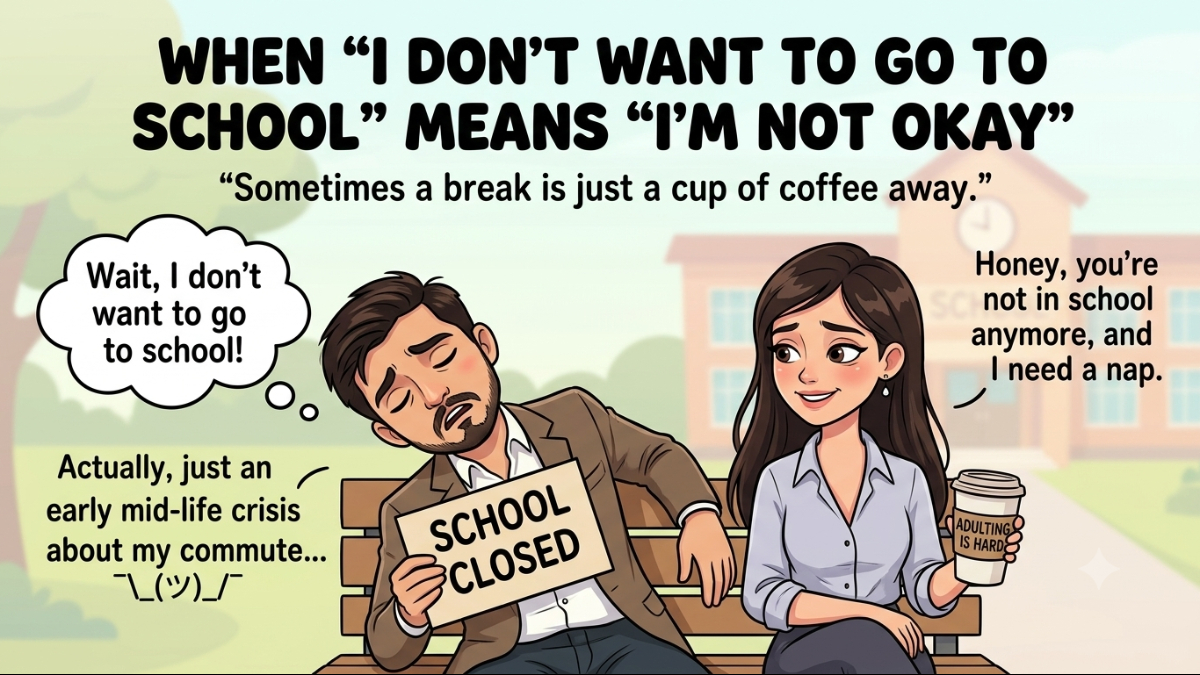
How School Years Secretly Shape Your Adult Life

How School Years Secretly Shape Your Adult Life

Article | Adolescent psychology
For many, the thought of school brings a rush of warm nostalgia—the camaraderie with friends, the inspiration from a favorite teacher, the simple joy of a shared pizza in the cafeteria.
You need to be logged in to send messages
Login Sign up
To create your specialist profile, please log in to your account.
Login Sign up
You need to be logged in to contact us
Login Sign up
To create a new Question, please log in or create an account
Login Sign up
Share on other sites

If you are considering psychotherapy but do not know where to start, a free initial consultation is the perfect first step. It will allow you to explore your options, ask questions, and feel more confident about taking the first step towards your well-being.

It is a 30-minute, completely free meeting with a Mental Health specialist that does not obligate you to anything.

What are the benefits of a free consultation?

Who is a free consultation suitable for?

Important:

Potential benefits of a free initial consultation

During this first session: potential clients have the chance to learn more about you and your approach before agreeing to work together.

Offering a free consultation will help you build trust with the client. It shows them that you want to give them a chance to make sure you are the right person to help them before they move forward. Additionally, you should also be confident that you can support your clients and that the client has problems that you can help them cope with. Also, you can avoid any ethical difficult situations about charging a client for a session in which you choose not to proceed based on fit.

We've found that people are more likely to proceed with therapy after a free consultation, as it lowers the barrier to starting the process. Many people starting therapy are apprehensive about the unknown, even if they've had sessions before. Our culture associates a "risk-free" mindset with free offers, helping people feel more comfortable during the initial conversation with a specialist.

Another key advantage for Specialist

Specialists offering free initial consultations will be featured prominently in our upcoming advertising campaign, giving you greater visibility.


It's important to note that the initial consultation differs from a typical therapy session:

No Internet Connection It seems you’ve lost your internet connection. Please refresh your page to try again. Your message has been sent

