





All Categories
Show more

Posts

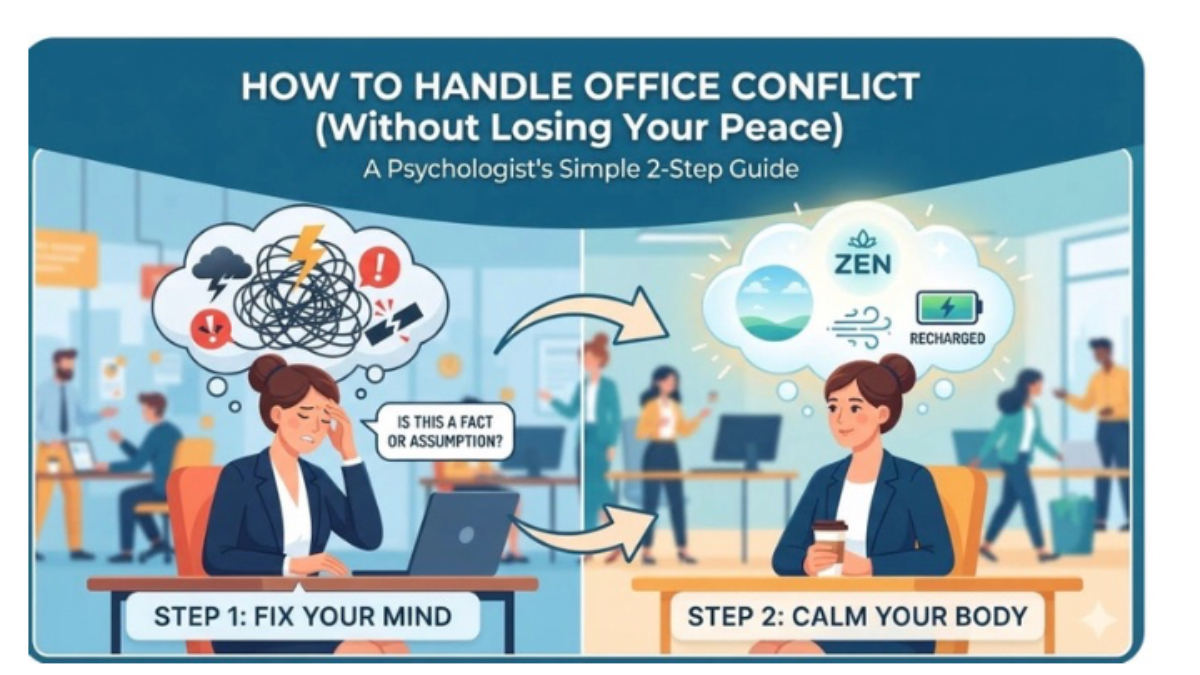
The Office Battleground: How to Resolve Everyday Conflicts Without Losing Your Peace

The Office Battleground: How to Resolve Everyday Conflicts Without Losing Your Peace

Blog | Conflicts
Office conflict drains your energy and ruins your peace. In this post, as a clinical psychologist I share a simple two-step guide using everyday mental and physical tools to help you survive workplace stress and protect your well-being.
How One Small Change Shifts Your Mind and Mood

How One Small Change Shifts Your Mind and Mood

Blog | Psychotherapy
Human thoughts, emotions, and body sensations are linked together like a chain. When you get stuck in a negative loop, you do not need a massive life makeover to feel better. Because everything is connected, making just one small change breaks the negative cycle and forces your brain to reset.
The Sunday Reset: A Therapist’s Guide to Quieting the Weekly Dread

The Sunday Reset: A Therapist’s Guide to Quieting the Weekly Dread

Blog | Psychotherapy
Sunday night anxiety is a physical response to upcoming stress, not a personal failure. This guide shares therapist-backed strategies to calm your nervous system, organize your thoughts, and reclaim your weekend.
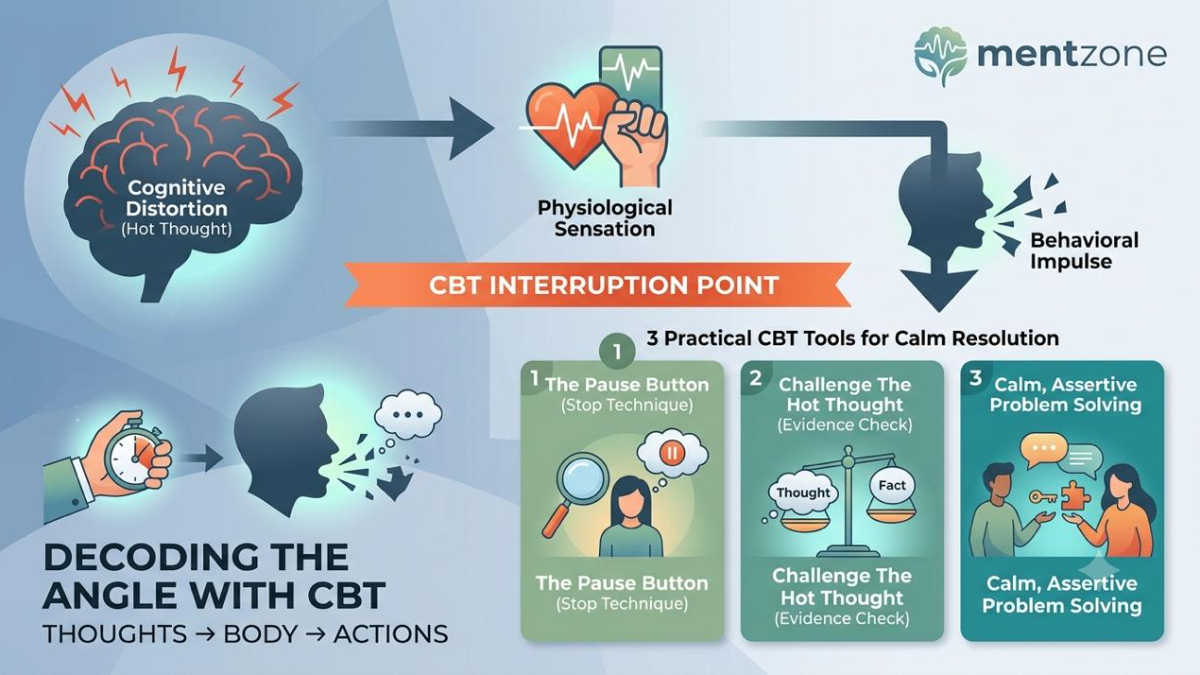
From Friction to Calm: Practical Steps to Control Your Anger Before It Controls You

From Friction to Calm: Practical Steps to Control Your Anger Before It Controls You

Blog | Anger
Anger is a normal human emotion, but it becomes problematic when it drives our actions blindly. This blog post breaks down the mechanics of anger through the lens of Cognitive Behavioral Therapy (CBT). By understanding the tight link between our thoughts, body sensations, and behaviors, anyone can learn to spot their early anger triggers. Readers will walk away with three highly practical, step-by-step CBT tools designed to pause the anger cycle, challenge unhelpful thinking patterns, and resolve daily conflicts with absolute calm and confidence.
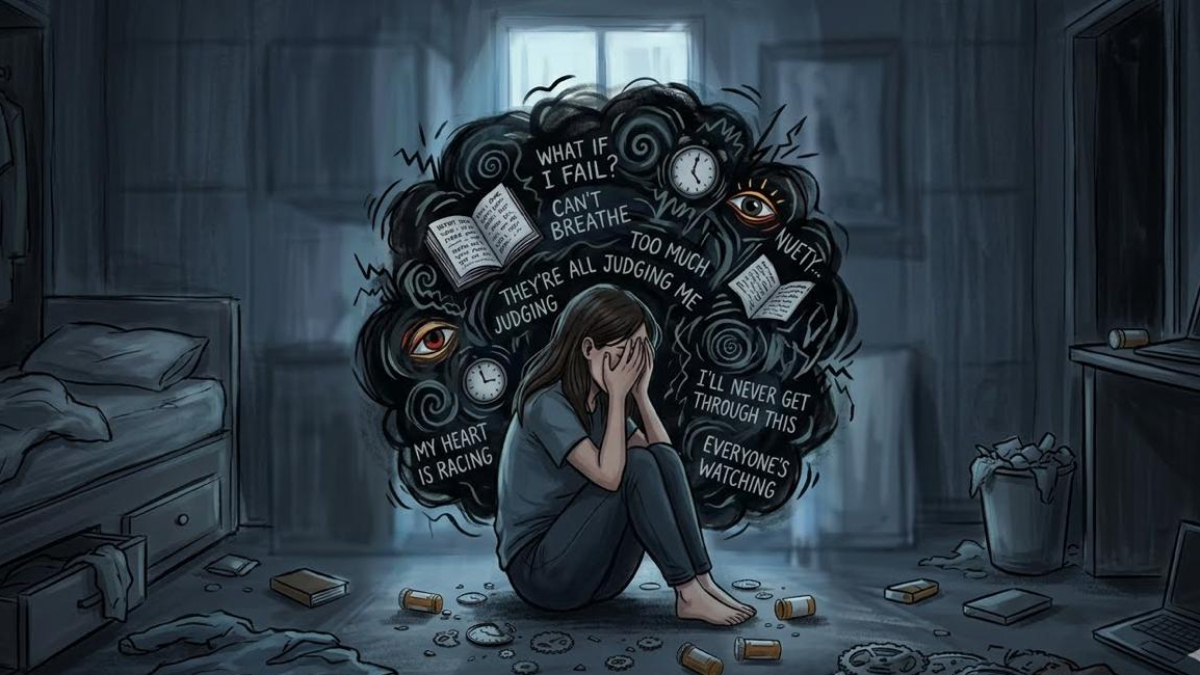
How CBT Works to Manage Anxiety

How CBT Works to Manage Anxiety

Blog | Psychotherapy
Cognitive Behavioral Therapy (CBT) manages anxiety by changing the connection between our thoughts, physical feelings, and actions. Instead of avoiding situations that cause fear, clients learn to evaluate anxious thoughts logically, calm their physical stress, and safely face challenges.
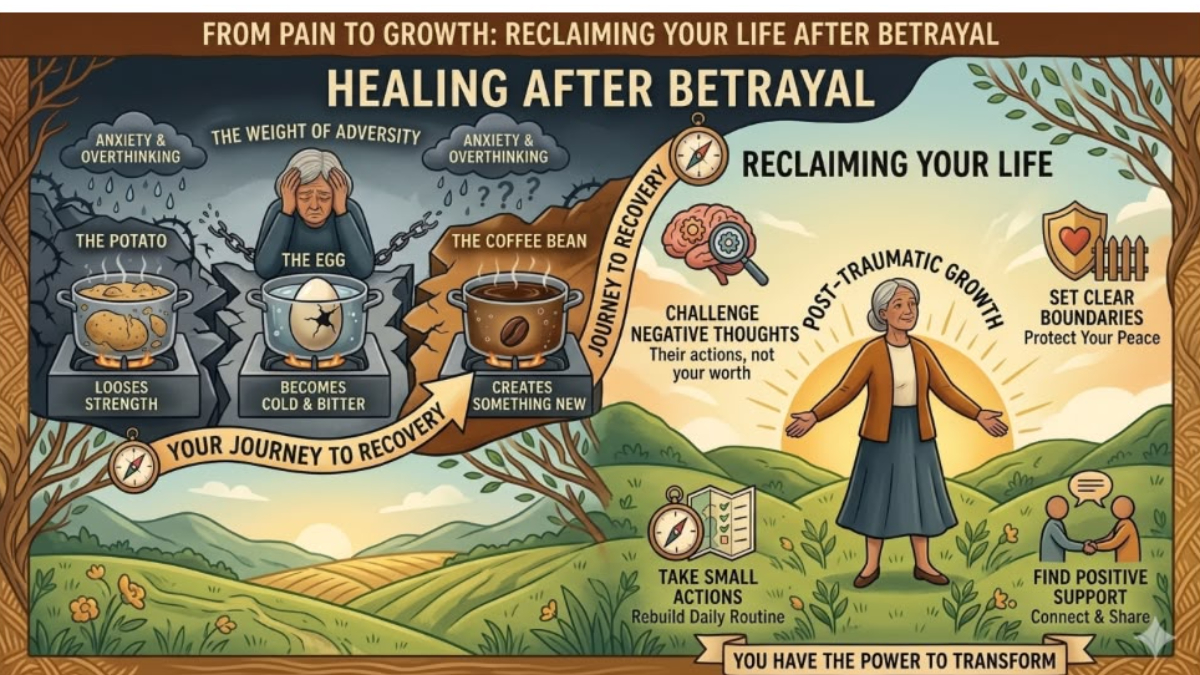
From Pain to Growth: Reclaiming Your Life After Betrayal

From Pain to Growth: Reclaiming Your Life After Betrayal

Blog | Betrayal
Betrayal deeply hurts and disrupts your sense of safety, often leading to anxiety and overthinking. While you cannot change what happened, you can control how you heal. Using Cognitive Behavioral Therapy (CBT) and the "boiling water" analogy, this guide helps you move past feeling broken or bitter so you can rebuild your life with confidence.
When Dreams Feel Close, but Action Feels Impossible

When Dreams Feel Close, but Action Feels Impossible

Blog | Goal setting
If you keep dreaming about a better life but struggle to begin, this article explains why your brain avoids action and how small, realistic steps can help you finally move toward your goals.
Build Self-Confidence Without Pretending to Be Someone Else

Build Self-Confidence Without Pretending to Be Someone Else

Blog | Self-esteem
Self-confidence is not about being loud or fearless. It grows through small, repeated actions that teach your brain to trust you more. Here is how to build confidence without forcing yourself to become someone else.
The Quiet Ache: Why We Feel So Alone in a Crowded World

The Quiet Ache: Why We Feel So Alone in a Crowded World

Blog | Loneliness
The Paradox of Connection: Despite being more digitally connected than ever, modern isolation is rising. Loneliness is not a personal failure; it is a universal human experience.
Why Your Brain Delays Tasks and What Actually Helps

Why Your Brain Delays Tasks and What Actually Helps

Blog | Burnout
If you keep delaying important tasks, the problem may not be poor discipline. This article explains how anxiety, fear of mistakes, and emotional discomfort can fuel procrastination.
You need to be logged in to send messages
Login Sign up
To create your specialist profile, please log in to your account.
Login Sign up
You need to be logged in to contact us
Login Sign up
To create a new Question, please log in or create an account
Login Sign up
Share on other sites

If you are considering psychotherapy but do not know where to start, a free initial consultation is the perfect first step. It will allow you to explore your options, ask questions, and feel more confident about taking the first step towards your well-being.

It is a 30-minute, completely free meeting with a Mental Health specialist that does not obligate you to anything.

What are the benefits of a free consultation?

Who is a free consultation suitable for?

Important:

Potential benefits of a free initial consultation

During this first session: potential clients have the chance to learn more about you and your approach before agreeing to work together.

Offering a free consultation will help you build trust with the client. It shows them that you want to give them a chance to make sure you are the right person to help them before they move forward. Additionally, you should also be confident that you can support your clients and that the client has problems that you can help them cope with. Also, you can avoid any ethical difficult situations about charging a client for a session in which you choose not to proceed based on fit.

We've found that people are more likely to proceed with therapy after a free consultation, as it lowers the barrier to starting the process. Many people starting therapy are apprehensive about the unknown, even if they've had sessions before. Our culture associates a "risk-free" mindset with free offers, helping people feel more comfortable during the initial conversation with a specialist.

Another key advantage for Specialist

Specialists offering free initial consultations will be featured prominently in our upcoming advertising campaign, giving you greater visibility.


It's important to note that the initial consultation differs from a typical therapy session:

No Internet Connection It seems you’ve lost your internet connection. Please refresh your page to try again. Your message has been sent