




Author: Michelle Collins

5 Common Myths About Psychiatry You Should Stop Believing

5 Common Myths About Psychiatry You Should Stop Believing

Article | Psychotherapy
Does seeing a psychiatrist mean severe mental illness? Are psychiatric medications addictive? Five persistent myths can make treatment seem far more frightening than it really is.
What Happens at Your First Psychiatrist Appointment?

What Happens at Your First Psychiatrist Appointment?

Article | Psychotherapy
Feeling nervous before seeing a psychiatrist for the first time? Learn what questions may be asked, how an evaluation works, and what happens when diagnosis and treatment options are discussed.
What Is a Psychoneurologist? Understanding Child Psychiatry and Neurology

What Is a Psychoneurologist? Understanding Child Psychiatry and Neurology

Article | Child psychology
“Psychoneurologist” isn’t a standard U.S. medical specialty. Learn how child psychiatrists, neurologists, and developmental specialists differ—and which one may be right for your child.
Tranquilizers Explained: How They Work and What You Should Know

Tranquilizers Explained: How They Work and What You Should Know

Article | Neuroses, emotional disorders
Tranquilizers can calm anxiety quickly, but not all of them work the same way. Learn how benzodiazepines, Z-drugs, and other anxiety medications differ—and why safe use matters.
Is It Anorexia? What Parents Should Know About Teen Weight Loss

Is It Anorexia? What Parents Should Know About Teen Weight Loss

Article | Eating disorders
A teen is eating less and losing weight—but does that always mean anorexia? Learn what may be behind changing eating habits, which warning signs matter, and when professional evaluation becomes important.
Is Multiple Personality Disorder Real? Understanding Dissociative Identity Disorder (DID)

Is Multiple Personality Disorder Real? Understanding Dissociative Identity Disorder (DID)

Article | Mental disorder
DID is real—but not quite the way popular culture portrays it. Discover what dissociative identity disorder actually means, why it remains controversial, and how clinicians understand and treat it.
Depression After a Psychotic Episode in Schizophrenia

Depression After a Psychotic Episode in Schizophrenia

Article | Depression
Psychosis may improve while sadness, anxiety, low motivation, and loss of pleasure remain. Learn why depression can appear after a psychotic episode and how clinicians distinguish it from negative symptoms.
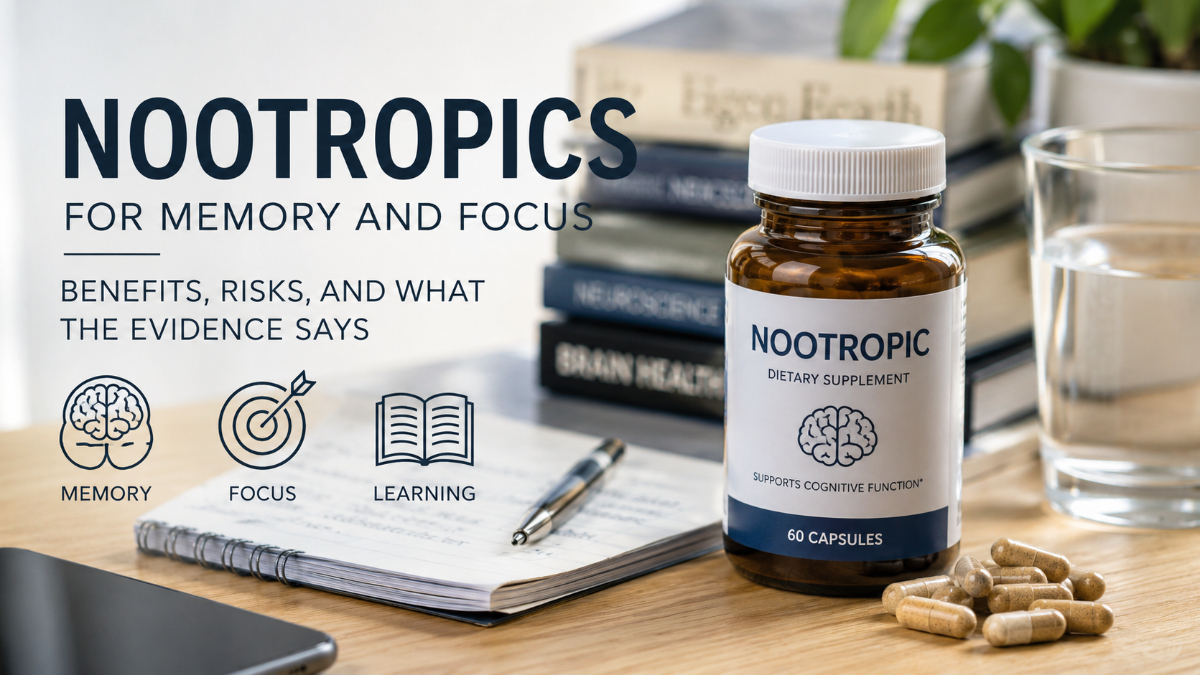
Nootropics for Memory and Focus: Benefits, Risks, and What the Evidence Says

Nootropics for Memory and Focus: Benefits, Risks, and What the Evidence Says

Article | Mental health
Nootropics promise sharper memory, better focus, and clearer thinking. But how much of that is supported by science? Explore what research really says about their benefits, risks, and use in the U.S.
What Causes Hallucinations—and What Do They Really Mean?

What Causes Hallucinations—and What Do They Really Mean?

Article | Mental disorder
Hallucinations may involve voices, images, smells, touch, or bodily sensations. Explore how the brain creates these experiences and why one symptom can have very different explanations.
Visual Hallucinations: Why Do We See Things That Aren’t There?

Visual Hallucinations: Why Do We See Things That Aren’t There?

Article | Mental disorder
From flashes of light to vivid faces and entire scenes, visual hallucinations can take many forms. Discover why they happen—and why they don’t always mean a psychiatric disorder.
You need to be logged in to send messages
Login Sign up
To create your specialist profile, please log in to your account.
Login Sign up
You need to be logged in to contact us
Login Sign up
To create a new Question, please log in or create an account
Login Sign up
Share on other sites

If you are considering psychotherapy but do not know where to start, a free initial consultation is the perfect first step. It will allow you to explore your options, ask questions, and feel more confident about taking the first step towards your well-being.

It is a 30-minute, completely free meeting with a Mental Health specialist that does not obligate you to anything.

What are the benefits of a free consultation?

Who is a free consultation suitable for?

Important:

Potential benefits of a free initial consultation

During this first session: potential clients have the chance to learn more about you and your approach before agreeing to work together.

Offering a free consultation will help you build trust with the client. It shows them that you want to give them a chance to make sure you are the right person to help them before they move forward. Additionally, you should also be confident that you can support your clients and that the client has problems that you can help them cope with. Also, you can avoid any ethical difficult situations about charging a client for a session in which you choose not to proceed based on fit.

We've found that people are more likely to proceed with therapy after a free consultation, as it lowers the barrier to starting the process. Many people starting therapy are apprehensive about the unknown, even if they've had sessions before. Our culture associates a "risk-free" mindset with free offers, helping people feel more comfortable during the initial conversation with a specialist.

Another key advantage for Specialist

Specialists offering free initial consultations will be featured prominently in our upcoming advertising campaign, giving you greater visibility.


It's important to note that the initial consultation differs from a typical therapy session:

No Internet Connection It seems you’ve lost your internet connection. Please refresh your page to try again. Your message has been sent

