



Author: Michelle Collins

When Schizophrenia Treatment Doesn’t Work: What Comes Next?

When Schizophrenia Treatment Doesn’t Work: What Comes Next?

Article | Mental disorder
Why do symptoms sometimes continue despite medication? Learn what treatment-resistant schizophrenia means, how doctors reassess care, and which evidence-based options may offer improvement.
Binge Eating in Men: The Hidden Disorder No One Talks About

Binge Eating in Men: The Hidden Disorder No One Talks About

Article | Eating disorders
Binge-eating disorder affects men more often than many realize. Learn how secrecy, strict dieting, stress, and shame create a cycle of lost control—and why effective treatment can help.
Latent Schizophrenia: What This Outdated Term Really Means

Latent Schizophrenia: What This Outdated Term Really Means

Article | Mental disorder
“Latent schizophrenia” is no longer a formal U.S. diagnosis. Learn what this outdated term may describe today, how it differs from schizophrenia, and when unusual thoughts or behavior may require professional attention.
How Memory Works: Why We Remember and Forget

How Memory Works: Why We Remember and Forget

Article | Psychology
Memory is not a perfect recording of the past. Discover how the brain selects, stores, and retrieves information—and why forgetting can be a normal and useful part of healthy mental functioning.
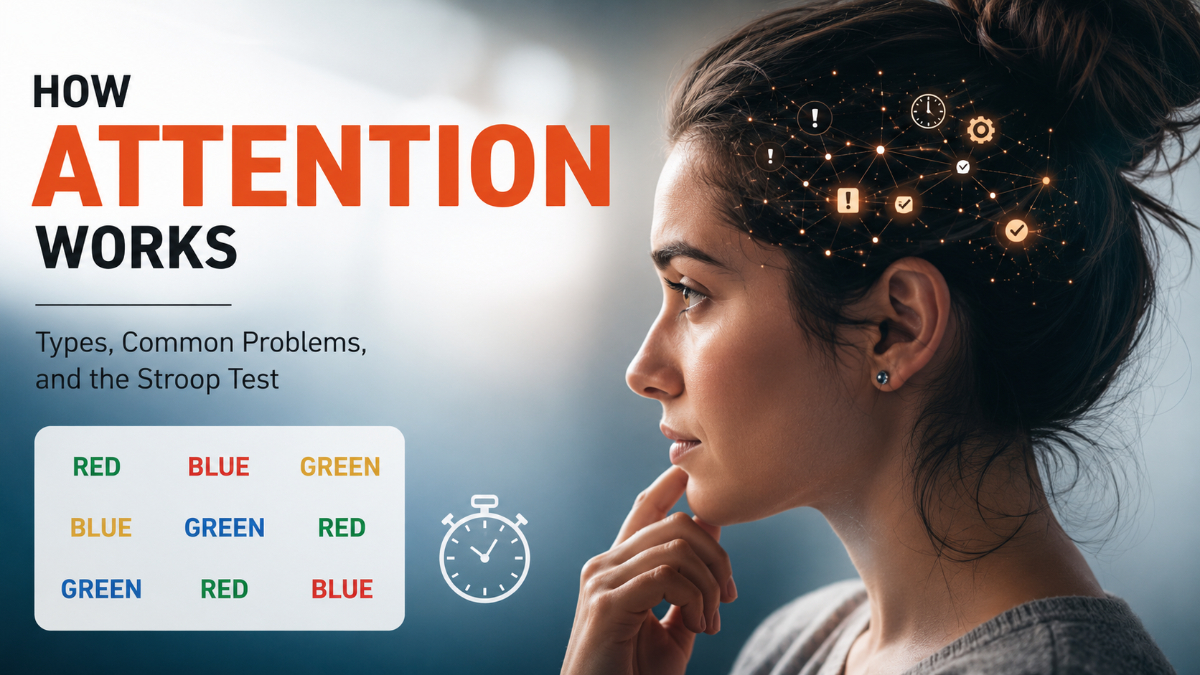
How Attention Works: Why Focus Fades and Distractions Take Over

How Attention Works: Why Focus Fades and Distractions Take Over

Article | Mental health
Attention helps the brain select what matters and ignore distractions. Discover why focus fades, how sleep and stress affect concentration, and what attention tests can actually reveal.
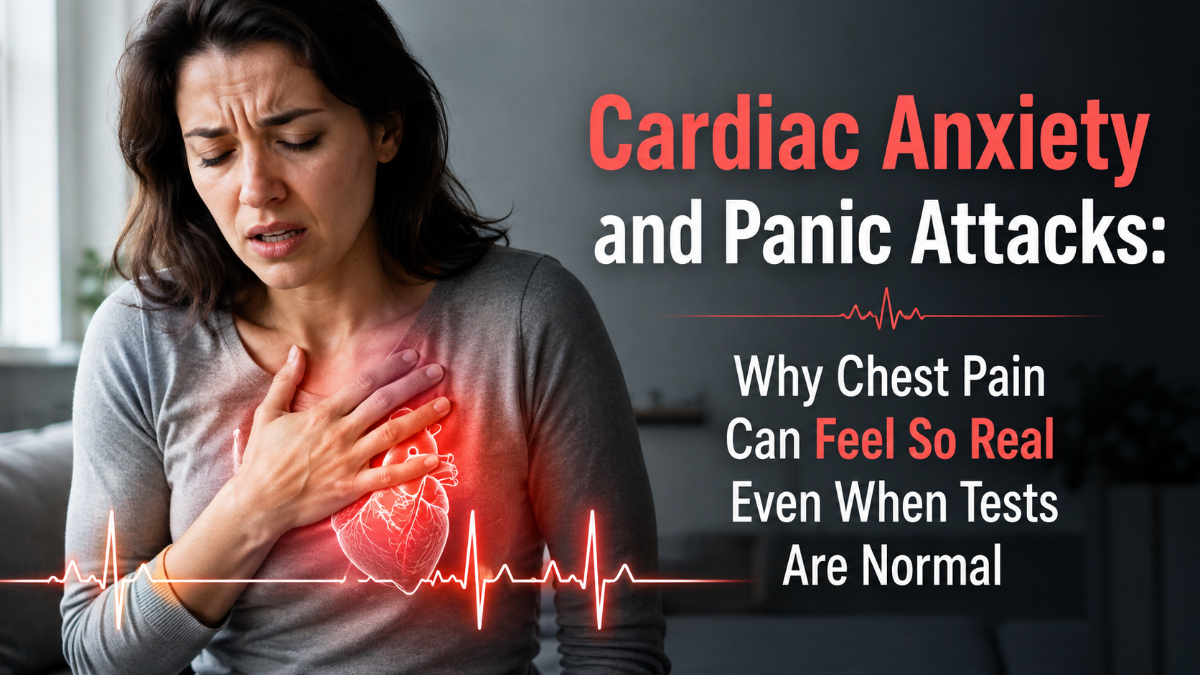
Cardiac Anxiety: Why Your Heart Feels in Danger When It Is Healthy

Cardiac Anxiety: Why Your Heart Feels in Danger When It Is Healthy

Article | Panic attacks
Chest pain, a racing pulse, and shortness of breath can feel terrifying even when heart tests are normal. Discover how anxiety activates the body’s alarm system—and why the symptoms are real.
What Is a Personality Disorder? Signs, Diagnosis, and Treatment

What Is a Personality Disorder? Signs, Diagnosis, and Treatment

Article | Mental disorder
When do personality traits become a mental health concern? Learn how personality disorders affect emotions, relationships, and daily life—and why a diagnosis should never define the whole person.
Why Are You Still Tired After Rest?

Why Are You Still Tired After Rest?

Article | Mental health
You sleep, take breaks, even go on vacation—but the exhaustion returns. Persistent fatigue may be linked to stress, overload, emotional strain, sleep problems, or physical health. Here’s what your tiredness may be telling you.
Asthenia and Persistent Fatigue: Symptoms, Causes, and Treatment

Asthenia and Persistent Fatigue: Symptoms, Causes, and Treatment

Article | Mental health
What happens when sleep and time off no longer restore your strength? This article explains the symptoms and causes of asthenia and why persistent fatigue should not be ignored.
What to Expect From Therapy for Panic Attacks: Treatment and Recovery

What to Expect From Therapy for Panic Attacks: Treatment and Recovery

Article | Panic attacks
What happens during panic attacks, how does therapy help, and when might medication be considered? Learn what treatment really involves and why recovery is possible.
You need to be logged in to send messages
Login Sign up
To create your specialist profile, please log in to your account.
Login Sign up
You need to be logged in to contact us
Login Sign up
To create a new Question, please log in or create an account
Login Sign up
Share on other sites

If you are considering psychotherapy but do not know where to start, a free initial consultation is the perfect first step. It will allow you to explore your options, ask questions, and feel more confident about taking the first step towards your well-being.

It is a 30-minute, completely free meeting with a Mental Health specialist that does not obligate you to anything.

What are the benefits of a free consultation?

Who is a free consultation suitable for?

Important:

Potential benefits of a free initial consultation

During this first session: potential clients have the chance to learn more about you and your approach before agreeing to work together.

Offering a free consultation will help you build trust with the client. It shows them that you want to give them a chance to make sure you are the right person to help them before they move forward. Additionally, you should also be confident that you can support your clients and that the client has problems that you can help them cope with. Also, you can avoid any ethical difficult situations about charging a client for a session in which you choose not to proceed based on fit.

We've found that people are more likely to proceed with therapy after a free consultation, as it lowers the barrier to starting the process. Many people starting therapy are apprehensive about the unknown, even if they've had sessions before. Our culture associates a "risk-free" mindset with free offers, helping people feel more comfortable during the initial conversation with a specialist.

Another key advantage for Specialist

Specialists offering free initial consultations will be featured prominently in our upcoming advertising campaign, giving you greater visibility.


It's important to note that the initial consultation differs from a typical therapy session:

No Internet Connection It seems you’ve lost your internet connection. Please refresh your page to try again. Your message has been sent